Showing posts with label writing tips. Show all posts

Vlog: You Asked, I Answered 3!

You've asked me questions! And while I can't answer all of them, today I've answered some of the most popular ones. Enjoy!


RELATED VLOGS:


Twitter-sized bite:
How do you balance writing & life? Or avoid procrastination? Gabe (@Ava_Jae) answered these questions and more in today's AMA answers! (Click to tweet)

Vlog: You Asked, I Answered 2!

Last week you asked me many, many questions! And while I can't answer all of them, I am answering some of the most popular ones today. Enjoy!


RELATED VLOGS: 


Twitter sized bite:
What if you're average at writing? How do you respond to an agent request? Gabe (@Ava_Jae) answers these writing questions and more in today's vlog. (Click to tweet)

Vlog: You Asked, I Answered!

Last week you asked me many, many questions! And while I can't answer all of them, I am answering some of the most popular ones in this slightly longer vlog. Enjoy!


RELATED VLOG: 


Twitter-sized bite:
How do you come up with titles? What are signs your writing is close to publishable? @Ava_Jae answers these writing Qs & more in today's vlog. (Click to tweet)

Tips for Writing Marginalized Characters

Photo credit: green umbrella on Flickr
Writing marginalized characters, whether you are marginalized yourself or not, can feel somewhat intimidating when you care about getting representation right. The burden of responsibility, especially at first, can feel especially heavy with the knowledge that getting something wrong can harm our readers. Of course, erasing marginalized characters from a narrative entirely—the alternative to writing marginalized characters—is equally damaging, especially because it happens so often. Which leaves writers who care about respectful representation and not doing harm to their readers left to navigate how to get it done right.

So where do you start?

  • Listening. The truth is the process starts long before you start actually writing any marginalized characters—and that's with listening to marginalized people. It means boosting their voices and paying attention when they talk about damaging tropes, stereotypes, and messages perpetuated in the media. It means listening and trying to understand when they say something has hurt them and why.

    Writing marginalized characters respectfully begins with listening to marginalized people in real life and educating yourself on all the ways the media—books, TV shows, movies, etc—has failed them in the past so you can try to avoid those pitfalls yourself. And that means listening when it makes you uncomfortable, and listening when you're tempted to disagree, and listening to a variety of voices in every community because opinions vary and no one community is a monolith.

  • Researching. So you've heard about damaging tropes and stereotypes from listening to marginalized people—great. Now it's time to dig into those and do your own separate research to see what other things should be avoided, whether it's one wording over another, a trope you didn't realize was a trope, etc. It also means finding examples of representation done right and understanding what it is about that particular example that worked so well. What did they do that the represented community was happy with? What could they have done better? These are all things you can learn from to better your own writing.

  • Read #ownvoices books. You're not going to get a better education that books featuring marginalized characters written by authors who share that marginalization. Read as many #ownvoices books featuring characters who share the marginalization(s) of whatever characters you're writing as you can.

  • When you've finished writing and revising with everything you've learned—hire sensitivity readers. Writing in the Margins is a great database, and Twitter also has lots of sensitivity readers who tweet about their services, which you'll come across if you're following plenty of people in Book/Writing Twitter. I like to hire sensitivity readers to check not only my protagonist and love interest, but other major characters as well, if I can. For Into the Black, for example, I worked with four sensitivity readers to check different aspects of marginalization for three characters. Truthfully, the more you can get checked, the better—and always, always thank your sensitivity readers for their time and do not argue with them if you disagree. Seriously, don't. Sensitivity readers are there to help, they have the expertise you don't, and it's your job to listen to them.

  • Know you may very well do all of this and still get it wrong. And if that happens, your job is to go back to step one—listen—then apologize and do everything you can to do better next time.

What tips would you add?

Twitter-sized bite:
Want to include marginalized characters in your writing, but not sure where to start? @Ava_Jae shares some tips. (Click to tweet)

The Final Polish Round-Up

Photo credit: atomicShed on Flickr
So you've finished your major revisions, which means your major plot, character, world building, pacing, etc. issues have been fully addressed and resolved. The heavy lifting is over, but you're not quite done yet, because next comes the detail work. 

That's right, I'm talking about line edits. 

Line edits are my favorite part of editing other people's manuscripts, but I do tend to find it a little more difficult for my own work, mostly because by the time the stage comes to work on line edits rolls around, I've already read my work a ton. Which means sometimes noticing the details can be a little challenging. 

I've done a couple posts covering things to look for when doing line edits and/or trying to cut, but as I don't yet have all of those related posts in one place, I figured now was as good a time as any to put them together. Partially because I haven't done it yet and partially because I need them all together as I start my own line edits. So. ;)

Without further ado, here are a couple posts to peruse as you prepare to do that final polish and/or line edits. Because sometimes it helps to have a list of things to look for when you've read your words so many times they all start to blur together:


Twitter-sized bite: 
Getting ready to polish your MS but not sure where to start? @Ava_Jae rounds up some posts focused on line edits. (Click to tweet)

How to Figure Out What Works For You

Photo credit: saschapohflepp on Flickr
The thing about dispensing writing advice is intentional or not, it's easy for people to think your tips are less tips and more rules. The "write every day" mantra, for example, is sometimes misunderstood as you must write every day or you're not a real writer—which is completely inaccurate and can even be damaging when people try to force themselves to do something that doesn't work for them and/or think they're failures when they can't.

This is why I try to make it clear whenever I share a new strategy or tool that while this particular thing works for me, your mileage may vary. But even with that, sometimes it can be difficult to look at a post with advice that sounds great and know whether or not it'll actually be a good fit for you.

So how do you know? Over the years, I've found the biggest key to growth is to be open to trying new things—and give yourself permission not to feel bad if it doesn't work out. My pre-draft synopsis method which I've found works well with my plotting process and as a bonus cuts out the dreaded post-draft condensing synopsis out came from experimenting with it after I heard another writer mention they use pre-drafts synopses online. Scrivener, which I now swear by as my favorite plotting and early draft tool, also came from online recommendations I decided to try out—twice, because the first time I didn't get it. Everything from my early morning habits, to my exercise routine, to so many of the writing strategies and methods I've picked up over the years came from a willingness to experiment with different methods to see what sticks.

Of course, there are also plenty of strategies I've tossed aside because they didn't work well for me. Writing everyday is a big one—the only time I write everyday is when I'm first drafting, and even then I take a day of the week off. Pre-writing—writing before you start your first draft work to "warm up" your writing muscles—was something I experimented with, then abandoned, because I didn't get enough benefits to merit the extra time it took to pre-write. Bullet journals are really popular right now, and while I like the idea, until there's a digital version it wouldn't be a good fit for me because handwriting and drawing is physically painful for me, at least right now.

The thing to remember is every writer is an individual. No matter how many people swear by a certain writing tip, or how influential or popular or successful the person giving the tip is, it might not work for you and that's okay. There are very few rules in the writing world that are entirely unbreakable (or unignorable), but the only way to really determine whether or not will jive with your writing style is to give it a shot.

So what are you waiting for?

What writing tips, strategies, or tools have you tried out that did and didn't work for you?

Twitter-sized bites:
No writing strategy is for everyone—but how do you know what'll work for you? @Ava_Jae shares some thoughts. (Click to tweet
What writing tips or tools have you tried out that did/didn't work for you? Join the discussion on @Ava_Jae's blog. (Click to tweet)

Vlog: 4 Non-Writing Writing Tips

On things you can do to improve your writing that don't involve writing.


RELATED LINKS: 

What non-writing writing tips would you add to the list? 

Twitter-sized bite:
How can you improve your writing without actually writing? @Ava_Jae vlogs 4 non-writing writing tips. (Click to tweet)

Tip Round Up for New Writers

Photo credit: penmanila
Deciding you want to be a published author can be pretty overwhelming at first. There's so much information out there—tips on virtually every part of writing and storytelling, information about querying and submission, traditional publishing versus self-publishing, contests, conferences, agents, editors, etc. etc. etc.

So when someone asked if I could write "where to start" type post for new writers, I thought it was a great idea. So here we go.

First of all, you may want to look at the first fifteen steps you'll be facing as a writer about to write a novel. Once you've figured out what you'd like to write about, it's time to decide if you're a plotter, pantser, or hybrid. Assuming you're the first or last, you'll want to think about your plot essentials and start turning your idea into a plot (and even if you aren't, you may want to try plotting without plotting). From there, you may want to try something similar to how I plot, or try combining two plotting methods.

Then it's time to first draft! Before you dive in, know it's fine if your first draft sucks, because first drafts are usually awful and that's okay. Some days you'll find you'll struggle to find the words (which is normal and okay), so remember ultimately first drafts are for you, and no, you don't have to know everything while first drafting. Also, while you're working, don't forget to take self-care days.

Once you've written your manuscript, worked with critique partners, and revised it several times, your manuscript is now query-ready. If you want to traditionally published it's now time to look for an agent. So where do you start?

Firstly, here are five things you should know before you get an agent.  With that in mind, you'll want to research (for real, don't skip this step—do your research before you start querying) and pay attention to these red flags. Once you've researched, it's time to actually write the query letter.

To start with, here's a quick how to covering the basics, but don't forget to include manuscript-specific details and makes the stakes in your pitch personal. Remember you don't need these five things in your query, and as a bonus, here are some tips for choosing book comps. And for an example of a query that worked, here's the query I used that lead to my signing with an agent, and also my top ten querying tips.

Then time will come to do your best to survive the query wars. You'll inevitably have to deal with rejection, so remember hope is a great emotional remedy. And for some encouraging statistics along the way, remember it's okay if you don't debut with your first manuscript, because most writers don't. Eventually, however, you may get The Call, which is every level of exciting.

Once you get an agent you'll soon be on submission and hopefully, if things go well, you'll have to start thinking about launching your book. But even if you don't reach those stages for many more years, don't worry, because when you're a writer, time is on your side.

What other tips would you recommend for new writers? 

Twitter-sized bite:
Want to write a book & get pub'd but not sure how to start? Author @Ava_Jae rounds up tips from idea to querying. (Click to tweet)

Vlog: 5 (More) Ways to Become a Better Writer

When you're a writer, there are always ways to continue to push yourself and further your skills. Today I'm breaking down five more ways to keep your writing skills sharp.


RELATED LINKS: 

What tips would you add to the list? 

Twitter-sized bites:
Want to become a better writer? @Ava_Jae vlogs five (more) tips for improving your writing skills. (Click to tweet)
"The best way to write something that rings true is to live sensitively." #writetip (Click to tweet)

Debut Lessons by Kate Brauning

Photo credit: Xelcise on Flickr
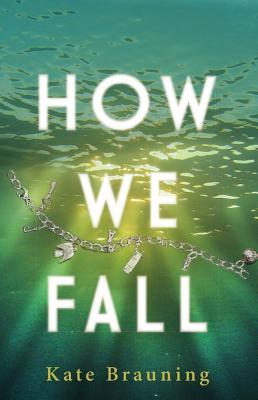
NOTE: Hey everyone! Today I've got a really special guest post from Kate Brauning, author of How We Fall, which has just had its paperback release! Woot! Kate's going to share some lessons she learned from debuting—hope you guys enjoy!

Hello, readers! It's Kate here. I'm so happy to be here with Ava with a post for writers on my paperback release blog tour. One year ago, my debut novel was released in hardcover. It’s been hectic, it’s been hard, it’s been wonderful. It’s been more fulfilling than I ever expected. And last week, the paperback released, so I'm here to talk about six things I've learned during my debut release:

  1. Focus on writing a better book. I can’t control reviews, publication timeline, what other fabulous book releases the same week, deadlines, or bestseller lists. I can’t control how much my publishing house invests in my book, whether the concept appeals to readers, or whether YA contemporary is hot right now. Not everyone is going to like a first cousins romance, and a lot of people are going to really not like it. What I can do is write the best book I possibly can—and then to make it even better. “Good enough” is not good enough. If you know you struggle with pacing, don’t let that remain an issue. Tackle it. Resolve it. If you suspect there’s a tension wobble somewhere, dig into the problem. How We Fall had both of these issues, but I didn’t listen to myself and kept plowing on through drafts, revising other things and ignoring those problems because I didn’t know what to do about them. I convinced myself it wasn’t that big a deal, that no book was perfect. Don’t do that. Have the guts to stop, evaluate, and dig into those problems you half-suspect are there. Don’t stop at “good enough.” Go all the way. My writing, my book, is what I can control. I can become a better writer, I can push myself, and I can write a better book.

  2. Books are made in revisions. The first draft of How We Fall was 60,000 words, and it’s now 89,000. The story was there in the first draft, mostly, but it needed a lot of work. In its final version, the mystery is darker, the romance between the cousins is a little more obsessive, and the pacing is much faster. Between revisions with critique partners, my agent, and my editor, it went through six major rounds of revisions. Even in final edits, it gained a new first chapter and a new final chapter. Revisions made my ugly first draft almost an entirely new book.

    Don’t get discouraged when you’re drafting if you’re not seeing magic happen. That magical touch and those insightful moments you see in great books aren’t magic at all. They’re the result of blood and sweat. First drafts are limp and flat and awkward—that’s normal. The depth and layers come as you revise. And revise. And revise. Revisions are where it becomes a book.

  3. Teach your gut, then follow it. Writers get told a lot to follow their intuition. And that’s great advice—as long as you’re training your intuition. Good writers aren’t born knowing how to magically write brilliant books. They learn and learn and learn until it becomes second nature. So read, and read a lot. A book a week—or two. Consume, so you can see what’s been done and what hasn’t, and how it was done, and how you could do it differently or better. Read out of your genre to see what those authors tackle, and how they pull it off. Make your own blend. And as you’re reading so much, and reading new and different things, dissect what you’re reading to see what worked, what didn’t, and why. Teach your gut, and then listen to it when it says something is forced or too thin or just right.

  4. Keep your eyes on your own plate. When I was querying, it was sometimes a struggle to not be jealous when someone else signed with an agent. When I was on submission, it was hard to not be jealous when someone else landed a book deal. Even though I was happy for my friends, it often turned into a “does this mean I’m not as good?” self-defeating little sad-party. And now that I have a book out, there are other authors’ awards, bestseller lists, and publicity and buzz I could be upset over.

    But no one else’s success diminishes mine. One of the most wonderful things I’ve been realizing as I find critique partners and connect and blog with other authors, particularly in YA, is that we’re much more colleagues than competitors. Readers can pick up my book, and they can pick up someone else’s, too. Another author’s success doesn’t limit or detract from mine. What does limit my success is me looking at someone else’s plate, and wishing I had what they had, and letting my own work suffer.

  5. When family and friends say, “I read your book!” don’t say, “what did you think of it?” That almost never turns out well, especially if the people saying it are friends or family. If they loved it, they will most likely tell you without you having to ask, and if they didn’t love it, you probably don’t want it to turn into an awkward moment. Instead, I say, “thank you so much for reading!” and divert the discussion.

    Great follow-ups can be asking them if they’ve read anything else lately, mentioning something you’ve read and loved, or talking about the publishing journey instead of the book. Friends and family are often curious about it, and talking about the story you wrote is just one way they might try to connect with you over that topic. If you’re getting the feeling they want to talk not just about books in general but about your writing, turn the discussion toward how exciting it was to get your author copies, or how long it’s been a dream of yours to be published, or any detail like that. And when you can, change the topic. Short and sweet is generally less likely to be awkward.

  6. Be deliberate when discussing your choices with friends and family. The more common advice is just to not discuss them, but that can also mean you miss out. The best and worst moments involving friends and family dealing with my book were discussing those hot-button topics. For example, since I write YA, the things that people close to me were bringing up were questions and comments like “I didn’t think the swearing was necessary.” “There are some pretty high heat make-out scenes for a teen book. Do you think that’s appropriate?” or “I just can’t see why you would write a romance since it has all that angst.” “So you let them drink under age?”

    Every one of those issues are things I’m passionate about, and they’re areas where I want the people close to me to understand what I’m doing and not think less of me for making choices I strongly believe are positive ones. And that makes any discussion of those things risky.

    I don’t want to always divert the conversation, because engaging in conversation about why swearing can belong in YA is a great topic and I want to share my beliefs with people who are close to me. If it’s not for you, then by all means avoid it, but if you want to bring your family in a little more, the best way I’ve found to deal with it is to be intentional about picking the place, the time, and the people. The family dinner table with a mixed group is likely not the time. A crowded room where people can mishear and others can jump in without having heard the context is likely not the best place. An event that's special to you, like a signing or launch party, is not the time. And there are some people who are more interested in hearing what you have to say in order to respond, not necessarily in order to understand—and that’s where I usually don’t want to discuss the issue. It won’t be productive. Some of my relatives have different beliefs and no matter what explanation I have, it won’t be a productive conversation there, either. But if you have family and friends who are up for a genuine discussion, I think it can be great to go for it, in small pieces. It also may help to discuss those issues in general, and not as they relate to your particular book. Some of the best conversations I’ve had with some of my relatives came from that, and I’m closer to them and more open with them now because of it.


So set strong boundaries with friends and family, keep in mind that genius writing likely won’t happen in the first few drafts, and train your instinct. Read out of your genre, read a lot, focus on your own successes, and keep writing the best book you can front and center. This career takes blood and sweat and persistence, but to me, every bit is worth it.


About the Book:

How We FallEver since Jackie moved to her uncle's sleepy farming town, she's been flirting way too much--and with her own cousin, Marcus. Her friendship with him has turned into something she can't control, and he's the reason Jackie lost track of her best friend, Ellie, who left for...no one knows where. Now Ellie has been missing for months, and the police, fearing the worst, are searching for her body. Swamped with guilt and the knowledge that acting on her love for Marcus would tear their families apart, Jackie pushes her cousin away. The plan is to fall out of love, and, just as she hoped he would, Marcus falls for the new girl in town. But something isn't right about this stranger, and Jackie's suspicions about the new girl's secrets only drive the wedge deeper between Jackie and Marcus. Then Marcus is forced to pay the price for someone else's lies as the mystery around Ellie's disappearance starts to become horribly clear. Jackie has to face terrible choices. Can she leave her first love behind, and can she go on living with the fact that she failed her best friend?


How We Fall by Kate Brauning
Goodreads Book Giveaway 
How We Fall
by Kate Brauning

Giveaway ends November 30, 2015.
See the giveaway details at Goodreads.
Enter Giveaway

How We Fall is available through:


Author Bio: Kate Brauning grew up in rural Missouri and fell in love with young adult books in college. She now works in publishing and pursues her lifelong dream of telling stories she'd want to read. This is her first novel. Visit her online at www.katebrauning.com or on Twitter at @KateBrauning.


Twitter-sized bites:
What lessons did @KateBrauning learn from debuting? Find out in her guest post on @Ava_Jae's blog. (Click to tweet
HOW WE FALL author, @KateBrauning, shares 6 lessons she learned from debuting. #pubtip (Click to tweet)

On Word Crutches

Photo credit: kenteegardin on Flickr
So over the weekend, while burying myself in revisions in a desperate attempt to try to finish revisions before NaNo (something that is still in progress), I came across the part of my edit notes that listed words I was overusing.

Forgetting, I suppose, that this is my least favorite part of the editing process, I plugged my MS in word cloud, wrote down the most commonly overused words, added the words from my edit notes to the list, and started searching.

And, well. This happened.


Word crutches, unfortunately, happen to everyone—and more so, I've found that when you get rid of one crutch, you tend to accidentally add another to your repertoire. (For example, my characters used to arch their eyebrows all the time—now, apparently, they think about breathing constantly.) I'm guessing this tends to happen because when you're first drafting, you're mostly focused on getting the words and story down without getting too caught up on which words your using, which means your brain will rely on many defaults. Which is okay. Because first drafts.

Going through your manuscript to cut down on the crutches should be one of the final things you check for, because if you end up having to add more to your MS, you'll probably add them back in, or vice versa, if you end up cutting something from your MS, you'll have wasted time removing a crutch from a passage that's getting trashed anyway.

Many times, I've found when systematically removing these overused words, that many of them are often redundant to begin with, i.e.: saying it's night then repeating that it's dark, or saying it's winter then repeating that it's cold (both of which maybe I found several times in this WIP...oops). And while going through and removing them unfortunately can be a little time-consuming, it is ultimately one of the easier parts of the process, even if I do find it excruciatingly boring.

But one way or the other, removing word crutches is part of the polishing process necessary in those couple final steps of manuscript editing. And removing them not only tightens your writing, but challenges you to push yourself in terms of not always relying on the first words that come to mind.

What are some of your writing crutches?

Twitter-sized bites:

Have a lot of overused words? @Ava_Jae talks tackling this step of WIP polishing. (Click to tweet
What are some of your writing crutches? Join the discussion on @Ava_Jae's blog. (Click to tweet)

Ten Keys to Fast Drafting

Photo credit: stevendepolo on Flickr
So we have approximately 22 days until NaNoWriMo! Which means, of course, that a lot of people are thinking about fast drafting because fast drafting is how you NaNo. So.

As I’ve mentioned here before, I’m a permanent fast-drafter. Regardless of the month or day of the year, when I work on a first draft, I blast through it as quickly as possible. It usually takes me roughly three to six weeks (then again, I tend to write lean first drafts), but I’ve been known to finish more quickly or slowly. Depends on the manuscript, but either way I have quite a bit of experience with first drafting. And so I’m sharing my personal fast-drafting rules.

Like any writing “rule” these of course are subject to change and can certainly be broken, skipped or ignored outright if they don’t work for you. The only real wrong way to fast draft is to, um, not fast draft.

So all of that said, here we go:

  1. Have a plan. While this doesn’t work for everyone, many fast-drafters swear by outlining if only because it cuts out the time spent wondering where the manuscript is going or accidentally writing yourself into a corner. Personally, knowing where I’m going next has helped me tremendously in terms of writing quickly because when I always know where the story is going it helps me to keep forward momentum. That being said…

  2. Be flexible. Sometimes my characters will completely ignore what I had planned for a scene and do something totally different. 10/10 times what I come up with while I’m writing is better than what I originally planned. Some of my biggest twists and greatest moments of characterization have come out of these spontaneous, unexpected detours, so in short, if you find your characters start taking you off the beaten path, don’t fight them. Your subconscious—and your characters—know what they’re doing.

  3. Write in spurts. My #1 not-so-secret secret to writing thousands of words in a day? It’s writing in thirty minute spurts. Again, this doesn’t necessarily work for everyone, but when I set a timer for thirty minutes and watch my word count go with either Write or Die, my Scrivener doc or—something I haven’t tried yet but can’t wait to experiment with soon: mywriteclub’s online word sprints—it really pushes me to get the words down quickly without thinking too hard about the quality of said words. Which is key because…

  4. Don’t worry if it sucks. Writing quickly doesn’t automatically equate to sucky writing, but it might. And seriously, that’s beyond okay. First drafts are allowed to suck. I usually think my first drafts are junk while I’m writing, and sometimes when I re-read parts I agree, but many times I realize it’s not quite as bad as I thought. So just get the words down and don’t worry about whether or not it’s any good until later. 

  5. Don’t look back. Part of not worrying about whether or not what you wrote is any good is making a pact not to go back and edit anything until after you’ve finished writing. I generally find it’s best not to re-read more than a couple paragraphs (to remember where I left off), and even then I often just do a brief skim, if that, before I dive in again. The temptation to edit, otherwise, is too strong. 

  6. Don’t censor. Even when I know it’s not true, I like to write my first drafts pretending that I am the only person who will ever read it ever. This means I don’t censor anything—language, sentences I think are stupid, dialogue that is definitely dumb, questionably acceptable content, etc. First drafts should be free and loose and fun—you can always cut whatever you think is necessary later on. 

  7. Leave blanks (if needed). That time that I finished NaNoWriMo stupidly quickly I used this method. I’ll be using it again, because sometimes the last thing you want is to stop in the heat of a scene to figure out what that rando’s name is going to be and totally mess up your momentum. 

  8. Have a daily/weekly goal. Keeping on task is pretty important when you’re fast drafting, and especially when you’re NaNoing. I like to build a buffer into my daily goal which then gives me room to take a break when I need to, or else I just write more than I need to early on when I tend to have the most enthusiasm and momentum. But at any rate, when you figure out good daily or weekly goal for yourself, do whatever you can to keep yourself on track. 

  9. Interact with other writers. Last time I did NaNoWriMo, interacting with other writers is a big part of the reason I blew my goal out of the water and finished really early. Events like NaNoWriMo are fantastic because there are so many excited, enthusiastic writers who are all embarking on the same goal, which means there are plenty of people to word sprint with and cheer each other on. And that alone, honestly, can be incredibly awesome for motivation.

    But even if you’re fast-drafting when it’s not NaNo season, talking to other writers online and finding people who are also writing can be really encouraging. 

  10. Celebrate milestones. What milestones you celebrate are up to you, but make sure you celebrate! 10,000 words is my first big milestone because that’s when I call a writing experiment an official WIP (anything I abandon before that I don’t consider an actual WIP). But with NaNo, every 10,000 words, or the 25,000 milestone, or whatever you decide is a milestone worth celebrating is one you should be proud of. Because celebrating the little steps along the way can give you the boost of happy energy you need to get to the next one. 

Have you ever fast-drafted? Will you be NaNoing this year? What tips do you have?

Twitter-sized bites:
Considering fast-drafting? @Ava_Jae shares ten tips for getting through a first draft quickly. (Click to tweet)  
Gearing up for NaNoWriMo? @Ava_Jae shares ten keys to fast drafting. (Click to tweet

Top Writability Resources for Your Writing Needs

Photo credit: DeaPeaJay on Flickr
So over the course of about fifty-one months, Writability has accumulated over 750 posts. Which is, um, a lot. And while the directory has almost all of them (I try to do my best to keep it updated), I am well aware that scrolling through 750 blog posts can be a teensie bit overwhelming. Kind of like hoping for enough snow for a white Christmas and getting seven feet instead (too soon, Buffalo?).

Ehem. Anyway. 

I thought it might be helpful to highlight some posts for you guys, depending on your specific writing needs. So here we go. 

Brainstorming & Plotting

Are you a plotter or a pantser? There isn’t a right or wrong answer, but assuming you're a plotter, once you have an idea you’d like to explore, it’s time to turn that idea into a plot. One option is to try writing a synopsis before the first draft—which is less terrifying that it sounds (I know! I was surprised too). Otherwise, I vlogged about how I plot my WIPs, and before that I blogged about it. You may also want to check out Scrivener’s cork board, which I love forever for plotting and brainstorming.

Not sure what plot points you hit? I haven’t covered them all (yet!) but here are some plot essentials you want to make sure you include.

If you’re not a plotter but you still want something to work off of, you may want to try plotting without plotting (not a typo!).

First Drafting

Eventually! It’ll be time to dive into your first draft. Remember that you don’t have to know everything before you start drafting, whether you’re a plotter or pantser. Also good to keep in mind that usually, the first draft sucks (really, but it's okay), and you don’t have to get it right the first time. Not even close. 

If you want to get through your first draft quickly, you may want to try fast-drafting. And while you don’t have to think too hard about getting things right when first drafting, you may find it helpful to think about how to write strong supporting characters and awesome face-smooshing—excuse me, kissing—scenes

Revision/Editing

So you’ve written your first draft! YAY! Before you dive into editing, you’ll want to let your manuscript cool a little so that you can read your writing a little more objectively

But then the time will come to dive into your manuscript again! Which can be a little scary, but not to fear—here are some tips on how not to get overwhelmed with revisions. Remember not to be afraid to make big changes, and while you’re at it here’s how to use what ifs while revising and how to use brainstorming to edit

When you reach the time to line edit, don’t forget to hunt down those filter phrases

You’ll also need critique partners in this stage (and remember—critiquing others helps you, too!). If you don’t have any, here are five places to find critique partners, and how to choose the right CPs.
Finally, if you have Scrivener for Mac and you like pretty colors and seeing the changes you’ve made, here’s how to use Scrivener’s version of track changes

Querying

So you’ve polished your manuscript to a beautiful gleam with the help of critique partners! Yay! Now, assuming you want to get traditionally published, is time to prepare to query agents. First thing you’ll want to do is finally get the dreaded synopsis out of the way (I know, I know). 

Next you’ll want to think about what genre and category your novel is in before you start researching agents so you know who to target. Now sure where to start? Here’s how to determine your WIP’s genre—and the vlog version if you prefer. (Hint: YA is not a genre) and here’s part one and part two of my basic genre index, for an overview. 

Know how to categorize your novel? Have your synopsis ready? Awesome. Time to start researching agents—and here are extra researching resources. While you’re researching, here are some red flags to look out for. Ultimately, not every agent will be the right agent for you, so here are some tips on choosing the right agent for you.

Now some tough love: you’re going to get rejected. A lot. And even after you get agented and published, rejection doesn’t stop. But here are some tips to help you get through the query wars, and here are some encouraging stats for the querying writer. Ultimately, I think hope is the best remedy for rejection, so try to remember this is just part of the process and all writers go through it. 

And finally, if it ever starts to feel like too much and you’re thinking about giving up on your writing dream altogether, please read this first.

Did I miss any resources you especially like? What tips would you add to the roundup? 

Twitter-sized bite:

Looking for writerly resources and pub tips? @Ava_Jae rounds up helpful posts for every stage of the writing process. (Click to tweet)

Favorite Online Writerly Resources Roundup

Photo credit: Brendan Lynch
So as many of you have probably gathered, I spend a lot of time plugged in. Like, probably more than I should. Which means I’m all over the internet all the time, basking in social media sites of all things writerly and publishing.

And so, when someone kindly suggested I share some of my favorite resources, I thought a roundup was in order.

Without further ado, here are my favorite online writerly resources, and why I love them.

For motivation and progress tracking: MyWriteClub
MyWriteClub is still in beta, but I use it constantly when I’m making any sort of progress—whether revisions or drafting. It’s a nice little community where you can keep track of all sorts of customizable progresses with charts and what no, and I wrote about it here.  
Point is, it’s very motivational and has the added bonus of very nice charts, which I’m basically addicted to know. Très recommended. 

For querying: QueryTracker
I obviously don’t use this anymore as I’m done querying, but I did find it very helpful when I was querying. It’s a great way to keep track of your queries and find literary agents to submit to, and as a bonus, it recently got a new facelift. 

For pitch contests: @brendadrake, @AuthoressAnon (Miss Snark’s First Victim) & @Michelle4Laughs 
These lovely ladies frequently host contests for writers searching for representation. I got my agent through one of said contests, so I can tell you first hand it works. Plus, they’re all very nice. Definitely follow them if you’re on Twitter! 

For writing & publishing tips: chasingthecrazies (@atrueblood5), Writers Helping Writers (@AngelaAckerman & @beccapuglisi), & The Daily Dahlia (@MissDahlELama).
All of these blogs (and their respective creators) are fabulous for slightly different reasons. Chasingthecrazies has loads of agent interviews about what they look for in the first five pages, as well as other great writing tip posts. Writers Helping Writers is chock full of great information to (as the title says) help you with your writing. The Daily Dahlia has so much really fantastic information not only on writing, but on pre- and post-publishing tips and information about the industry and supporting other writers and…yeah. You should check it out. 

For diverse representation education: We Need Diverse Books (@diversebooks), Corinne Duyvis (@corinneduyvis), Marieke Nijkamp (@mariekeyn), Disability in Kidlit (@DisabilityInLit), DiversifYA (@_DiversifYA), Diversity in YA (@diversityinya), & Gay YA (@thegayYA).
If you care about diverse representation and want to learn more about why it’s important and how you can help, make sure you follow basically everyone listed above. Each of them share really valuable information about different aspects of diversity and they’re all super insightful. I’ve learned a great deal from them. 

For book recommendations/reviews: B&N Teen Blog (@BNTeens), Rich in Color (@Rich_in_Color), IceyBooks, The Midnight Garden
Not sure what to read next? Looking for some book reviews? The above blogs have really fantastic reviews and recommendations for loads of books. Definitely recommended! 

So that’s it! What are some of your favorite writerly online resources? 

Twitter-sized bites: 
Looking for some online writerly resources? Writer @Ava_Jae rounds up her favorites. #writetip (Click to tweet)  
Motivational tools, writing & publishing tips, book reviewers, & more! @Ava_Jae shares her favorite writer resources. (Click to tweet)  

Romance & Love Writing Roundup

Photo credit: yanni on Flickr
So tomorrow is Valentine’s Day, which naturally means I should write about romance and love or something like that. Except, as I scrolled through my love/romance-related blog archives, I realized I’ve already done that a lot.

So! I’m going to share with you guys all of Writability’s current romance/love/face-smooshing related posts for your browsing pleasure.

In chronological order!


Whether you’ll be celebrating Valentine’s Day with a loved one or with a tub of ice cream and Netflix, I hope you all have a fantastic weekend!

Do you know of any great romance-writing posts?

Twitter-sized bite: 
Struggling to get your romantic subplots down? @Ava_Jae rounds up love, kissing & romance-writing posts for V-day. (Click to tweet)

How to Prepare for a Pitch Contest

Photo credit: slightly everything on Flickr
So it’s the beginning of a new year, which means the beginning of a new season of pitch contests! This is a time I used to always look forward to in my unagented days, largely because I was slightly addicted to pitch contests. I can’t tell you how many I entered, because I’ve honestly lost count, but for me at least, it paid off.

Pitch contests, unsurprisingly, work most in your favor when you don’t jump into them blindly. So after you’ve decided you do want to enter that pitch contest, here are a few steps to take:

  1. Look carefully at the contest guidelines. This is really important because every contest is different. Some pitch contests are Twitter fests, which have rules about how many times you should post, and what’s required in your Twitter pitch, and whether or not you’re eligible (some are more narrow than others about what genres/categories are acceptable). Some pitch contests run on blogs and require pseudo-queries, or the first 250 words of your manuscript, or a few answered questions, or a sentence-long pitch, or a combination thereof. Every contest has their own rules about when to submit, how to submit, and how to participate before, during and after the event. Read the guidelines and make sure you follow the rules—the last thing you want is to be automatically disqualified because you didn’t take the time to read the guidelines. 

  2. Prepare your pitches and/or sample. Oftentimes (but not always) for a pitch contest, you’ll need a query-length pitch, the polished first 250 words of your MS, and a logline/Twitter pitch. Even if you don’t need all of those components, I highly recommend you get them together anyway, because you’ll inevitably need them.

    I’ve already written a few posts on how to write a great Twitter pitch (which can be used for any pitch, minus the character limit) as well as the importance of details in queries and pitches, and some common Twitter pitch mistakesso I recommend you check those out for help with the actual pitch-writing part.

  3. Get your pitches critiqued (a lot). To me, the most important part of writing your pitches and sample is getting them critiqued.

    There are usually loads of places to get pitches critiqued before a pitch contest, sometimes hosted on the contest blog, sometimes set up by fellow writers and announced on the hashtag on Twitter (so make sure you check it!). But the important thing is that you show your pitch to people who haven’t read your book and see what they think. Do they understand what your book is about? Are they intrigued? If the answer isn’t a clear yes to both, you know you’ve got some work to do. 

And that’s really all there is to it. Once you’ve polished your pitches to perfection, the only thing left to do is wait for those submission dates to arrive, cross your fingers and hope for the best. Good luck!

Upcoming pitch contest submission dates:

Have you ever entered a pitch contest? Do you have any tips for preparing?

Twitter-sized bite: 
Want to enter an upcoming pitch contest? Here are a few steps to take in preparation. (Click to tweet)

Vlog: How to Survive NaNoWriMo Week 4

It's the FINAL WEEK of NaNoWriMo! And I've got some encouragement and tips to help you make it to your NaNo goal. Enjoy!


RELATED VLOGS:

Twitter-sized bite: 
It's NaNoWriMo week 4 & @Ava_Jae has vlogged some tips to help you reach your goal! (Click to tweet)

Vlog: How to Survive NaNoWriMo Week 3

It's week THREE of NaNoWriMo! And this time I've got some tips to help you get through the middle NaNo slog.


RELATED VLOGS: 

Twitter-sized bite: 
It's NaNoWriMo week 3 & @Ava_Jae has some tips to help you get you through the middle NaNo slog. (Click to tweet)

Vlog: How to Survive NaNoWriMo Week 1

It's the first week of NaNoWriMo and if you're participating, you might be having some FEELS. But not to worry, I'm sharing some thoughts on how to survive the first week.


RELATED LINK:


Are you participating in NaNoWriMo this year? 

Also, there are EXCITING THINGS coming to Writability veryyyy soon! Keep an eye out! :)

Twitter-sized bite: 
Are you NaNoWriMo-ing? @Ava_Jae shares some thoughts on how to survive NaNoWriMo week 1. (Click to tweet)

Vlog: Top 5 NaNoWriMo Tips

NaNoWriMo starts THIS WEEKEND. And so in today's vlog I'm sharing my top five NaNoing (or general fast-drafting) tips.

Twitter-sized bite: 
Getting ready for #NaNoWriMo? @Ava_Jae shares 5 tips to help you reach your NaNo goal. (Click to tweet)
Related Posts Plugin for WordPress, Blogger...