Showing posts with label traditional. Show all posts

Vlog: On Covers When Traditionally Publishing

What's it like to get your cover done when you're in traditional publishing? Today I'm talking about my experience—and what the process often is like for traditionally published authors.


RELATED VLOGS: 


What have some of your favorite recent covers been?

Twitter-sized bite:
What is it like getting your book cover when you're traditionally published? @Ava_Jae breaks down their experience + what to expect. (Click to tweet)

Vlog: How to Get Traditionally Published

In which I give the super quick version of how to get traditionally published in under four minutes.


RELATED VLOGS: 


Twitter-sized bite: 
How do you get traditionally published? @Ava_Jae breaks down the process in under 4 minutes in today's vlog. (Click to tweet)

Getting Published in 15 Steps: From Querying to Book Deal

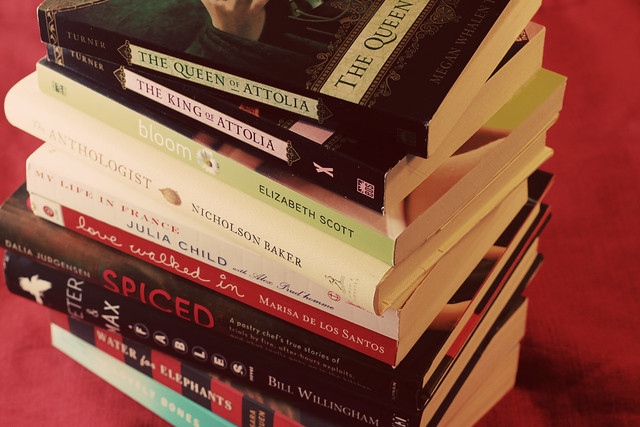
Photo credit: derivativeofcourse on Flickr
So a (long) while ago I wrote a post about 15 steps to writing a novel, from the initial idea, to starting the query process. However, as many of you know, starting the query wars is really just the beginning to the whole trying to get published thing.

So I figured I’d continue.

Do note that this really only applies to traditional publishing. If you’re self-publishing you don’t need an agent (though some self-publishers are very happy with their agents) and your steps will be very different.

  1. Query agents. Oh, the joys of the query trenches. This is where writers agonize over writing the perfect query letter (and hopefully don’t do this or this), critique the hell out of them, then press send and…well…

  2. Try not to check your e-mail every five minutes. And, if we’re being honest, probably fail to resist. 

  3. Receive rejections. Rejections are inevitable. I did this thingie with query statistics last year, but the short version is this: rejections are 100% normal and expected. And they suck. But you are absolutely not alone. 

  4. Distract yourself with another project/lots of reading/TV/ice cream. Working on another project while you’re querying can be a great motivation booster/emotional bandaid/ super productive distraction. I highly recommend it. It’s also a great time to catch up on your overflowing TBR pile, gorge on ice cream and (try to) relax a bit. 

  5. Get requests. YAY! Requests are exciting. And nerve-wracking, because after you send you have to wait again. But go you! Go requests! Make sure you celebrate and enjoy this happy, super-exciting step. 

  6. Receive rejections. Of course, rejections do sometimes (oftentimes) come in after requests, too. These suck even more than the query rejections, but they too are part of the process. But remember, you only need one yes.

    That being said, sometimes you’ll go through the query process and this is the step where it’ll end. You’ll receive rejections and more rejections and your list of possible agents will run low and you may have to ask yourself if it’s time to move on. And sometimes, the answer will be yes. But the thing to remember is it’s okay. I had to go through this five different times before I finally got my fantabulous agent. It happens, it’s normal, and it’s hard, but if you don’t give up and keep writing new projects and querying said projects, eventually…

  7. THE CALL. AN AGENT WANTS TO REPRESENT YOU OMG YES IS THIS REAL AHHHHHHH!

  8. Edit your book (again). This step actually depends on your agent—some agents are editorial and will go through several rounds of editing with their clients to make sure their manuscripts are as shiny as can be before going on submission, while others or not. There’s no right or wrong as far as this goes, it’s just preference, and if you know which you’d prefer, make sure you research ahead of time and query the right ones. 

  9. Go on submission. Oh, the joys of being on submission. It’s kind of like querying again, except this time your agent is in your corner, which is pretty awesome. You are, however, doing a lot of waiting…

  10. Try not to check your e-mail every five minutes. Boy, this sounds familiar. Oh, is that an e-mail? 

  11. Receive rejections. Sadly, you do not leave rejections behind when you finish querying. They’re still very much a part of the submission process, and will continue to be every time you go on submission again (did I mention you’ll be repeating this step with close to every book you write? YAY). 

  12. Distract yourself with another project/lots of reading/TV/ice cream. Not unlike query distractions, working on a new project is a golden way to focus your energy on something productive and hope-making. Reading and TV and ice cream are also winners. 

  13. Get requests. And dance with your agent! Because yay! ALL THE REQUESTS. 

  14. Receive rejections. And be sad with your agent because rejections still are un-fun. Sometimes, like querying, this will be the final step for that particular manuscript. The fact of the matter is, not all writers debut with the book that got them their agent—and that’s totally 100% okay. It’s hard, and not fun, and massively disappointing, but it does happen, and if it happens to you? You are absolutely not alone.

    Work on your next book. Edit it to awesomeness. Go out on submission again. Until…

  15. THE OTHER CALL. YOU’RE GOING TO BE PUBLISHED HOLY WOW IS THIS REAL LIFE ALL THE CONFETTI AHHHHHH! 

Twitter-sized bite: 
How to get published, from querying to the book deal, condensed into 15 steps. (Click to tweet

How to Choose the Right Agent for YOU

Photo credit: bitzcelt on Flickr
So we’ve discussed why you need an agent (if you want to publish traditionally) and how not to get an agent. But now I want to talk about picking the right agent for you.

So here’s the thing about literary agents: the legit ones are all publishing savvy, business-minded, all around nice people who just really love books. Or at least, the ones I’ve come in contact with are. Every agent (like every person) has their own set of strengths and weaknesses, which often dictate what genres they do and don’t represent. And knowing those strengths and weaknesses is just a teensie bit important to know before you query.

That’s right. You need to research agents before you start querying. Why? The answer’s simple, really—not every agent is the right agent for you

Some agents are editorial, some agents are not. Some agents represent a huge range of genres, some are much more focused on a couple genres and categories. Some agents have been in the business for over a decade, others are much newer to the publishing game.

I’ve already blogged about where to go to research agents (see that link above? Click it), so I’m not going to delve into that again. What I want to focus on instead, is what you need to be looking for when deciding what agents to query.

There are a couple questions you should be asking yourself while researching agents:

  • Does this agent represent my genre? This is the basic filter—the very first requirement is to make sure the agent you’re considering querying represents the genre and category your manuscript falls under. If they don’t, don’t query them. No exceptions.

    No, it doesn’t matter if you think they might make an exception for your manuscript (they shouldn’t and they won’t). No, it doesn’t matter if you really like that agent (that doesn’t change the fact that your MS is not a genre they represent). No, it doesn’t matter if your manuscript is supposedly unlike others in its genre or category (if you think that’s the case, are you sure you know that genre as well as you think you do?)—if they don’t represent your genre, do not query them. You’ll get an insta-reject, and you’ll only be wasting your time and theirs.

    Note: if you’re not sure what genre your manuscript falls under, check out this post

  • Does this agent represent other genres I want to (or already do) write in? This is important, because you’re not just looking for representation for the manuscript you’re querying—you’re looking for representation for your whole career. Ideally, you’ll have the same agent throughout your career (though that isn’t always the case, which is okay). If your manuscript is a Historical Fantasy and you know going in that you also love writing Sci-Fi, make sure the agents you query represent both Historical Fantasies and Sci-Fi’s.

    Why? You want an agent who can potentially sell any manuscript you write, and if you write in multiple genres, you’ll want to make sure the agents you query represent all of them. 

  • Is this agent editorial? Is this important to me? As I’ve mentioned before, not all agents are editorial (meaning not all agents go through the extra process of revising and editing your work with you before going on submission). This is an extra job, and agents are not required to edit your work (remember: it’s your job to get your manuscripts as polished as possible before sending it to agents). If you know you want an agent who will help you with some of the revision and editorial process, then make sure you query agents who are editorial. (You can find this out through interviews and sites like Literary Rambles). 

  • What is this agent’s sales record? Do they have a lot of sales? A few things to remember with this one: not having a lot of sales doesn’t necessarily mean the agent is a bad agent. Some agents don’t report all of their sales, and some agents don’t have a lot of sales because they’re new agents, which is totally fine (and in that case, you’ll want to look at the sales for the agency they’re at, instead). But if an agent has been around for a couple of years, they should have some sales reported.

    That being said, how much stock you put into the sales thing is up to you. When I was querying, I personally didn’t query anyone who didn’t list sales or their clients, but that’s just me. 

  • What is this agent’s reputation? What is the reputation of their agency like? Both of these are important to consider when researching agents. If the agent is established, what is their reputation like? If they’re new agents what is the reputation of their agency? (Note: it’s important to check on agency reputation for established agents, too). Check interviews, forums like Absolute Write Water Cooler and sites like Preditors & Editors as well as the aforementioned Literary Rambles to learn about agent and agency reputation.

  • Does this agent seem like someone I would work well with? Granted, this is a little more difficult to determine online, but if the agent has a Twitter, follow them long before you start querying. Also, take the time to read every interview you can find—both of these sources can give you insights into the agent’s personality and what their work process is like. There are a couple agents, for example, that I decided I wouldn’t query based off things they said or the way they behaved on Twitter—after all, if your personalities clash, it’s going to make the relationship between you and you future agent more difficult. 

Finally, two rules to remember while querying:

  1. Thou shalt not query every agent known to man. Use the criteria above to narrow down your list to agents that would work well for you and your manuscript. Consider every agent you query carefully. Think, if they offered representation, would I accept? If your answer is “no” then there’s little point in querying—you’re just wasting everyone’s time.

  2. A bad agent is worse than no agent. I’ve often heard of writers jumping to accept the first offer the get, just because they finally get an offer of representation. I understand this temptation, but the fact is, a bad agent will not help your career. Make sure you do plenty of research on every agent you query, and even more research on every agent who reads your full, and even more research on every agent who offers representation. Know what you’re getting into ahead of time to avoid unfortunate circumstances later on down the road. 

What tips do you have for choosing the right agent? 

Twitter-sized bites: 
Are you a currently or soon-to-be querying writer? @Ava_Jae shares some tips on choosing the right agent for YOU. (Click to tweet)  
Writer @Ava_Jae says, "not every agent is the right agent for you" and shares some tips on choosing the right agent. (Click to tweet).  
Does this agent rep my genre? Is this agent editorial? & other Q's you should be asking while querying. (Click to tweet)

How (Not) to Get Traditionally Published

Photo credit: 401(K) 2012 on Flickr
After releasing the most fabulous tips you've ever read on how to become a Kindle bazillionaire (you're welcome) I thought it only fair to share ten incredible secrets on how to become traditionally published.

You can thank me when you're swimming in a pool full of Benjamins made completely out of your royalties.

10 Secrets to Traditional Publication*:
  1. Send out query letters immediately after finishing your first draft. Everyone knows first drafts are the essence of brilliance and must not be tampered with or else risk diminishing its sheer genius. Send out those query letters ASAP!

  2. Write a query letter like this. You'll have agents fighting each other and begging to represent you by the end of the week.

  3. Only write about vampires. Everyone knows that every other genre is dead and barely worth mentioning. Don’t waste your time writing about anything else. 

  4. Don't show anyone your work before sending out query letters. The last thing you want is for someone to steal your idea and make millions. Millions that you deserved.

  5. Beta readers and critique partners are overrated. When I say don't show anyone your work, I mean anyone (except maybe your mother)—the risk is simply too high, and chances are they won’t understand your ingenuity anyway. Besides, you don't really need critique partners anyway; you're a genius.

  6. Spend lots of time in coffee shops telling everyone about your brilliant book that's going to be published and become an instant classic and sell bajillions. Use words like "fiction novel" so that everyone knows you're serious.

  7. Don't read a single book on writing craft. The ingenuity of your style is something you're born with; you don't need to read writing books to improve your writing because your writing is already the essence of perfection.

  8. In fact, don't read anything. No other book can even compare to the incredible novel that you've written.

  9. Call highly successful writers like Stephen King and J. K. Rowling to let them know that their run on the New York Times bestseller list has been fun, but there's a new writer in town. It's only fair that you give them the heads up.

  10. Do all of the above before writing a single word. The genius is inside you. You better let people know early on that there's an incredible masterpiece on the way that's going to change the face of publishing.

That about covers it. If you follow those 10 easy steps you will be well on your way to becoming the next great writer. You better start emptying your pool—you're going to need the room for the extra cash you'll have lying around.

*= Yay for sarcasm! Please don't do any of these things, ok? It won't make you rich and famous. Nowhere near.

Now it's your turn to share your wisdom. What incredible tips would you add to the list?

Writers: Would You Publish Traditionally if You Could?

Photo credit: Emily Carlin on Flickr
Imagine for a second that you've been offered representation for your novel. Although you know having a literary agent doesn't 100% guarantee that you'll be published, let's say this particular agent is very confident that your book will sell to one of the Big Six and your odds of being published are pretty good. Your initial reaction, I imagine, is pretty darn happy, but now you're faced with a choice.

You see, you have a good manuscript in your hands; one that you're pretty certain will sell. If you accept the agent's offer of representation, you will enter the ranks with other traditionally published writers. If not, you can take the title of self- published writer.

So let me ask you, my fellow readers: would you publish traditionally if given the chance?

It's a bit of a weird question, I know, and five years ago if you asked any writer, the answer would be a resounding: well, DUH. But nowadays the answer of how to publish isn't so cut and dry. More stories surface every day about writers who, when faced with the decision, choose self- publishing rather than going traditional. There are the Amanda Hockings and J.R. Konraths of the world who have made bundles through independent publishing and more than a handful of writers who have been able to make a living off self- publishing.

And yet, traditional publishing is still a very viable option, because while to some writers the how of getting published doesn't matter, to others it does. Then there's also the matter of all the work that goes into publishing that writers have to tackle largely by themselves when they choose to self- publish, that others would rather let a traditional publishing house take care of.

Some believe that there's more money to be made through self- publishing and others through traditional publishing—and still others don't care about the money either way: they want to see their book on the shelves (or in the case of self- publishing, they just want to be published one way or another).

When it comes to how to publish, I truthfully don't believe there's a blanket right or wrong answer— it most certainly depends on your goals as a writer (more about that in this post).

So I'm curious. If the aforementioned hypothetical situation happened to you, what would you choose? Would you accept representation or choose to brave the waters of self- publishing?

What is Success to You?


Photo credit: m kasahara on Flickr

It’s no secret that a war is waging over the impossible question of which is better: indie or traditional publishing?

After laying out the pros and cons, I still didn’t really give you guys a straight answer about where I stand, and the truth is, it’s because I don’t have a stance. Not the kind that backs one side, anyway.

Hear me out. It’s not that I’m indecisive (ok, maybe it’s a little that) or that I’m dodging the question (although I’m good at that, too), it’s that I truly don’t believe that a one-size-fits-all answer exists.

So now you’re wondering what in the sugary, confetti-laden blazes this has to do with the title, and the answer is everything.  

I want you to stop and think for a moment about how you define success. Maybe success to you is just to be read. To get your work out there in the hands of some readers and see where it goes. Maybe you don’t care about having an agent or speaking at book conventions or having author signings or any of that. If that’s the case, then going indie might be right for you.

Or maybe success to you is walking into a bookstore and seeing your book on the shelves. Being able to hold a copy in your hands or see others reading your book out in public. If that’s the case, then maybe you want to go traditional.

Maybe your version of success something else entirely—maybe it’s when you make x-amount of dollars or sell x-amount of copies or write x-amount of books. Maybe success to you is having an agent or a publishing contract or going out and doing it alone and knowing that you’ve achieved something incredible on your own.

My point is that it’s different for everyone, so whatever decision you make should be based on your vision of success. It doesn’t matter what anyone else says or thinks, it’s your responsibility to decide what’s best for you.

But how can you tell? Well first, answer the question: What is your version of success?

Have an idea? Good.  Now ask yourself: How can I get there? The answer may not be clear, but eventually one (or a combination of the two) will emerge. Eventually you will know what you want to do—what is best for you, and that’s when you can act.

Instead of arguing over who has a better publishing model, we need to support each other and realize that the right answer for you isn’t necessarily the right answer for everyone else. In the end, what does it matter which side you choose? We’re all writers with different ideas of success and the petty fighting needs to end.

So let’s hear it, guys: what is success to you? 

Publishing: Indie or Traditional?

Photo Credit: Laenulfean on Flickr
We are now faced with a choice. A choice that, ten years ago, wasn’t even a consideration. To go indie? Or to go traditional?

What makes the decision so difficult is that there isn’t a wrong option, per say. Both routes have significant pros and cons and regardless of which option you choose, you take a risk.

A Look at Traditional

Let’s say you choose traditional publishing. If all goes well, you get an agent, who then brings your manuscript to a publisher, who then gets it published. What are the pros and cons?

Pros:

  • Extra eyes on your work—you have an agent who looks at it first, who will likely help you edit it before you send it out to publishers. The publisher then has their own group of editors who go through it and help you improve it even further. It’s a team effort.

  • Don’t worry about covers, formatting or distribution—this one is pretty self-explanatory. If you publish traditionally, those things are out of your hands. You can focus on writing.

  • Career support—this is especially true if you have an agent (as opposed to submitting directly to publishers). I’ve never had an agent, but from what I’ve seen, agents are there to help you grow as a writer and develop your career. Many agents are in it for the long haul with their clients. They want to see you succeed.

  • Your work on the shelves—the bricks-and-mortar shelves, that is. For many writers, walking into a bookstore and seeing their book on the shelf is a dream come true.

Cons:

  • Publishing takes time—a lot of time. The average I’ve seen about is around two years, but it depends. Regardless, these things don’t come quickly. You have to be patient.

  • Advances are dropping—I’m no expert in this field, nor do I claim to be, however, from what I’ve read, it seems the advances are dipping much lower than they used to be. Blame the e-books or Borders closing, but it is what it is.

  • Low royalties—this is nothing new. Royalties for the author have always been much lower than they should be (in my opinion, anyway). This is especially true for e-books—regardless of what publishers offer you, it’s not going to be the 70% (or 35%) you can get from Amazon.

  • Selling your rights—how important this one is really depends on the person. Some people don’t blink an eye at the thought of selling their rights, while others take it much more seriously. Regardless of where you stand, when you go traditional, many of your rights are sold. Period.

  • Little control—again, some people care about this, others don’t. But when you go traditional, things like book cover and formatting aren’t up to you. It can be a blessing or a curse, depending on how you see it.

What about Indies?

Or maybe you go indie. But the DIY road isn’t all daisies and sunshine (or doom and gloom) either. Some pros and cons:

Pros:

  • Full control—this is both a pro and a con really, because everything is your responsibility. You have full control over the cover, the formatting, the editing and marketing. If one of those things are lacking, that’s on you. On the other hand, if you do a fantastic job you can pat yourself on the back because you managed it alone. And you did it exactly the way you wanted to.

  • Faster publication—once you upload you can have your book up on the e-book market in a matter of days. Viola. You’ve been published.

  • Higher royalties—how much you get depends on how you price your e-book, but the way I understand it, if you price your book somewhere between $2.99-$9.99 you get 70% royalties. Anything lower and you get 35%. Either way, it’s more than you get from traditional.

  • Never go out of print—this is something not many people talk about, but it’s a pretty big plus to indie publishing. E-books don’t go out of print, so as long as you don’t take it down, you could hypothetically sell your e-books forever. That’s a long time.

  • Keep your rights—this is also self-explanatory. Indie publishing gives you the chance to sell your books without giving away your rights. Good deal if you care about that.

Cons:

  • Full control—told you it’s also a con. Full control is great, but it can also be expensive. If you don’t have the skills, you’ll need to hire a cover designer. If you have trouble with formatting, you might need to hire outside help. Editing? Editors are insanely helpful, too—and not often free. Or you can do it completely yourself. It’s up to you.

  • No gatekeepersthis may not sound like a con, but it is. It’s hard for writers to look at their own work and decide if it’s ready. Sometimes it seems ready, but it’s not until much later that you realize it needed a lot more work, after all. And if you published prematurely, it might be a little late for that.

  • Stigma—it isn’t as bad as it used to be, but it’s still there. By going indie, you have to accept that not everyone will consider it a legitimate form of publishing. The fact is, there are a lot of self-published books that were uploaded way before they were ready. Your job is to prove that you’re different—and it’s not always easy.

  • Not in bookstores—this is a huge deal for some writers. Call it what you want, but many writers dream about the day they can walk into a bookstore and see their work on the shelves. Chances are this won’t happen if you go indie (unless you cross over, of course, but that’s another matter entirely).

Neutral Point: Marketing

Regardless of which option you choose, you’re going to have to learn how to market yourself. Publishers don’t put a huge amount of marketing into every single book they publish—let’s face it, they can’t. There are simply too many books. Some books will get more of a push than others, but either way some of it comes back down to you.

Do you have an online presence? It doesn’t matter which publishing road you choose—you’re going to need one. A blog, a Twitter, a Facebook page, whatever works for you, but you’re going to need a way to promote yourself and promote your book.

Not only that, but this starts before you get published. So if you’re planning on publishing any time soon and you haven’t started building a name for yourself online, you might want to think about getting started.

In Conclusion…

Both are great options—what you need to decide is what’s best for you. Only you can decide if you’re prepared to do everything yourself or if you need the extra help traditional publishing can give you. Only you know if you can live with the fact that your book may never sit on a physical bookshelf. Only you can answer those questions.

But don’t deliberate forever—in the end, you have to make a decision. You have to make something happen. Your career isn’t going to start itself.

What are your thoughts—indie or traditional? Have you tried either one? What has your experience been like? 
Related Posts Plugin for WordPress, Blogger...