Showing posts with label don't do this. Show all posts

How (Not) to Write a Fantastic Opening

Photo credit: Nomadic Lass on Flickr
Getting the opening right in your book is possibly one of the most important parts of writing your masterpiece. After all, without a gripping, life-changing opening, many readers won’t get to the real meat of your story.

So how do you ensure that you’ve written an epically amazing opening? Fear not, my lovely readers, for the formula to a brilliant opening is here.

How to Write the Most Incredible Opening in the History of Incredible Openings*:
  1. Dialogue in the void. Before a single line of description, before any characters are introduced, there must be super stupendously thrilling (or hysterical, or tragic, or snarky, or thought-provoking, or all of the above) dialogue. Forget dialogue tags and action beats—give us the good stuff and skip straight to voices before we know who anyone is, or who is speaking, or even where they are. 

  2. Start with an entirely irrelevant prologue. This is where your void dialogue should be—in the epic prologue with elves, and magic spells, and dragons, and that hovercraft bombing everything with super cinematic explosions, and an epically amazing ninja fight, and don’t forget the car chase with really expensive, flashy cars. Oh, you’re writing a YA Contemporary? Use the awesomesmash prologue anyway—it’ll only add to your book’s insane level of genius. 

  3. Moral of the story narration. This should be at the end of the irrelevant prologue. After all, no one is going to want to read your book if they don’t know what valuable life-lessons they’re going to learn. Honestly. 

  4. Beautiful description. If you don’t have pages upon pages of uninterrupted beautiful literary-styled description, you fail by default.    

  5. Introduce no less than fifteen characters…then kill them all off. You know, a la The Iliad. 

  6. Delve into every character’s detailed backstory. Before you kill them off, or as a eulogy afterwards, tell us every detail about their lives—from their favorite color to their very first memory, and that time their cat Colonel McMeowsers brought them that dead pigeon. This is the only way to make them feel real. 

  7. But don’t mention your protagonist until page ten. Or preferably later. You have a lot of ground to cover before you even begin to tell us who the story is about. 

  8. When you do get to your protagonist, start at the beginning of their average day. I mean, how he brushes his teeth (clockwise or counterclockwise circles? Up and down? SIDE TO SIDE?), and what kind of brush he uses to brush his hair, and what his favorite cereal is is totally fascinating stuff.

  9. Tell everything (and don’t show anything). Jimmy is angry when he hits his alarm clock. He doesn’t know why he’s angry. Maybe it’s because the bristles on his tooth brush are too hard, or maybe it’s because his mother left three days after his second birthday and that ridiculous chihuahua bit his pinky finger when he was four. He stares into the mirror while brushing in counterclockwise circles and stares into his gorgeous green eyes. Coincidentally, green happens to be his favorite color. He’s very attractive, but he doesn’t really think so. Some girls say his wavy dark locks framing his face make him look handsome, but they just remind him of his mother.

    Jimmy loves Cap’n Crunch cereal. 

  10. Author foreshadowing. Because who doesn’t love the disembodied voice telling us what’s going to happen? For example:

    But what Jimmy didn’t know was that this would be the best day of his life, and also the day he died. All because of that Cap’n Crunch. 
So there you have it! Now go forth and awesomize your opening.

*This is another sarcastic post! I beg you not to take these points seriously and please don’t use any of these suggestions. Please.

What so-called “tips” would you add to the list? 

Twitter-sized bites:
Do you have trouble writing openings? Here's a fun post from writer @Ava_Jae on ten ways (not) to open your book. (Click to tweet)

Getting your MS's opening right is very important, so writer @Ava_Jae shares 10 ways (not) to write a great opening. (Click to tweet

Quotation Marks: Not for Emphasis

Photo credit: interpunct on Flickr
A quick, (hopefully) informative post on today, on the proper use of quotation marks outside of
dialogue.

In this case, I’m not talking about using quotation marks for titles or to directly quote someone or something (which is entirely correct, and I imagine most of you know how to do that). Instead, I’m debunking a quotation mark myth.

There’s a common misconception about quotation marks that they can be used to emphasize something with a sort of air quote usage. I’ve often seen signs for “fresh” food or a “great” service, but you’re actually shooting yourself in the foot when you try to use quotations for emphasis.

Because the truth is, quotation marks outside of dialogue aren’t used for emphasis—they’re used to indicate something isn’t really whatever is within the quotation marks, that is, to denote sarcasm. So for example…

That “fresh” food isn’t actually fresh.

That “great” service is probably pretty terrible.

That “cheese” sandwich might not actually be edible.

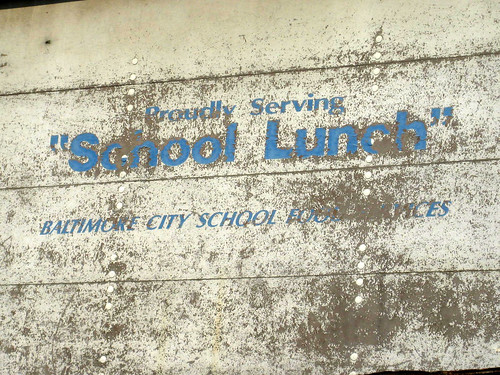
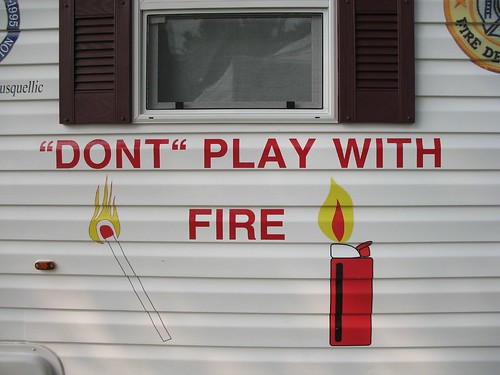
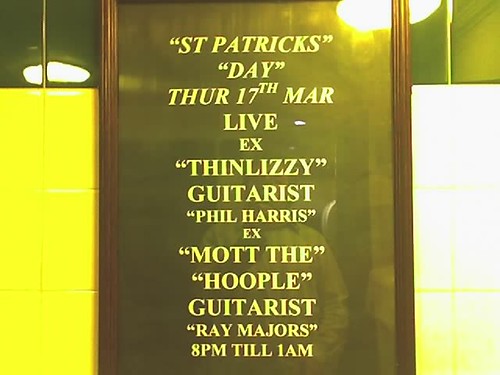
Some other examples...

Photo credit: Brett Jordan on Flickr
Um...yikes?

Photo credit: The Letter E on Flickr
I gotcha. *wink wink*

Photo credit: alexliivet on Flickr
And I am now very "hungry."

Photo credit: hodgers on Flickr
Yeah...I don't even know what to do with that. 

Don’t believe me? Check out this great (and more comprehensive) post from The Write Practice

Repeat after me: quotation marks should not be used for emphasis, unless you want to be the subject of much snark and ire. Unless you’re trying to be snarky, in which case, air quote away.

What grammatical technicalities do you tend to trip up on? 

Twitter-sized bites: 
Do you use quotation marks for emphasis? You may be using them incorrectly, and here's why. (Click to tweet
Writer @Ava_Jae debunks a common misconception on quotation marks—with fun pictures. (Click to tweet)

How (Not) to Support Your Favorite Authors

Photo credit: legdog on Flickr
I often talk about the writing aspect of the publishing world here at Writability, but today I’d like to do something a little different.

Today, I want to talk about readers. More specifically, the steps readers can take to be the most supportive, stupendously amazing fans in the history of absolutely 100% incredible fans. That’s a long title. We’ll call it MSSAFHA1IF because abbreviations are all the rage. 

Being the MSSAFHA1IF is easy! All you need to do is follow these seven easy steps, and you’ll be well on your way to being your favorite author’s best friend. 

How to be the MSSAFHA1IF (AKA: Most Awesomest Fan Ever to the Power of Infinity)*
  1. Illegally download their books. Who pays for ANYTHING nowadays? Besides, authors love it when you get their books for free, particularly when it’s through super-secret free channels. 

  2. Never leave reviews. I mean, it’s not like anyone actually reads book reviews, anyway.  

  3. Don’t tell anyone about what you’re reading. If they don’t already know about the awesome book you’re reading, then they don’t deserve to read it. Guard the knowledge of your precious with your life. 

  4. Be rude at author events. You know, refuse to leave the table when you get up there to sign, don’t actually buy a book, take loads of pictures and tell the other fans that they’re going to have to wait to get their book signed because the author loves you more than them.

  5. Be unenthusiastic when asked about their books. Being excited isn’t cool. When someone asks you if you liked a book, the last thing you want is to scare them away with your epic nerd factor. Instead, just give a noncommittal shrug and a “meh.” 

  6. Never reach out to the author. Authors don’t need your approval—they already know how awesome they are. 

  7. Don’t read their books in public. What if you drop the book in a puddle? Or forget it on a bus? Or lose it in a spontaneous fire? Or get food on it at that restaurant? Or spill coffee on it at Starbucks? The outside world is far too dangerous for books, and besides, you’re supposed to be protecting the knowledge of your precious, remember? 
*It’s sarcastic post day, again! Yay! Don’t do these things. Please. You’ll only break the hearts of every author ever. 

Are you an awesome fan? What so-called steps would you add to the list? 

Twitter-sized bites: 
Do you enjoy reading? Have a favorite author? Here are seven easy steps to (not) being a fantastic fan. (Click to tweet)

Are you a book lover? Here are seven steps to making your favorite author very (un)happy. (Click to tweet

Romance in Writing: Murder the Insta-Love

Photo credit: unclefuz on Flickr
Without naming names, I'm sure most of you can think of at least one novel you've read in which the characters fell in love far too quickly. Where the relationship evolves from learning each other's names to making out and saying the l-word in the span of a couple chapters or in-story days. 

I'm talking about the second of two dangers I mentioned in my recent writing romance well post—insta-love.

There are two major problems with insta-love, namely, it's unrealistic and it cheapens the romance.

Why is it unrealistic? Let's look at everyday life—while there are cases of love at first sight, the truth is that those instances are far from the majority. Relationships take time to build, and that initial excited infatuation often fades over time (this is the difference between a crush and love. Some scientists believe there are three stages to love—and needless to say, the first stage is not true love).

The deeper problem beneath being unrealistic is that your readers may stop to question it—and any moment that your readers stop reading to question something in your book, is a moment that they've been pulled out of the narrative, something that as a writer, you want to avoid at all costs. Love and romance between two characters should feel natural, but if your readers are questioning it, then the romance clearly needs work.

Why do I say that insta-love cheapen the romance? A relationship between your characters should be special. If it truly matters to your characters (and it should if you intend to make them romantic partners), then you need to make it matter to your readers. If the characters fall together instantly, however, then the relationship won't have time to build—not between your characters, and not to your readers, either. Remember, it's not just your characters that have to get used to each other—your readers need to get used to your characters and their relationships as well.

Ultimately, your goal is to make your characters fall in love, yes, but it's also to make your readers fall in love with your characters and the relationship they have.

If you suspect that your characters may have fallen victim to insta-love, then there's a very good chance that they might have (we writers have excellent instincts—we just don't always want to listen to them). To make sure, however, I recommend getting some CPs and beta readers to take a look at your WIP and ask them to look out for insta-love. Like most things in writing, it's much easier to recognize a flaw in someone else's work than it is to recognize it in your own.

Have you ever written or read insta-love? If the former, how did you fix it? If the latter, how did it affect your perception of relationship?

How (Not) to Win a Twitter Pitch Fest

Photo credit: Johan Larsson on Flickr
Some of you lovely writers may have heard that there's going to be another Twitter pitch fest on Friday (3/29/13) under the hashtag #PitMad. Basically, if you're querying, or ready to start querying, you should most definitely participate (and here's why).

Naturally many of you are probably antsy about Friday’s Twitter fest, and so I thought it only appropriate to share ten easy steps to making every agent and editor who trolls the #PitMad feed instantly want to request your full manuscript. So without further ado:

How to Make Everyone Want Your Full Manuscript*

  1. Ignore the rules. Rules are for people who aren't creative enough to break out of the box. How will can you ever expect to stand out if you follow the rules? No, you need to make your own rules. For example...

  2. Send the agents your pitch directly by @ mentioning them even when they don't ask for it. This includes agents on Twitter who aren't even participating. Twitter pitch fests are all about being noticed, and what better way to get your pitch noticed then by sending it directly to your dream agent? After all, every agent LOVES Twitter queries—it’s a fact. 

  3. Spam the hashtag. When there are a lot of participants in an event like a Twitter pitch fest, you sometimes have to use a little elbow to really be seen. Posting your pitch any less than a dozen times an hour will doom you to being drowned out by the other participants, and we can't have that. 

  4. Bash the other writers. Save the agents the pain of looking at anyone else's work—all they need to see is your masterpiece. In fact, they should probably just stop reading altogether because nothing else will ever stand up to your work. 

  5. Retweet your pitch repeatedly. Writing your pitch twelve times an hour really isn't enough—retweet those pitches until you can retweet no more!

  6. Spread your pitch over ten tweets. Remember what I said about breaking the rules? While all those other silly writers are trying to fit their pitch into 140 characters, you can take advantage of all the characters you need to express the true awesomeness of your book. Take that, boring rule-followers! 

  7. Write your pitch in all caps. YOU WANT PEOPLE TO READ IT, DON'T YOU? 

  8. Pitch a book you haven't finished writing. Hell, pitch a book you haven't started writing. That way, when everyone is throwing publishing contracts at you, you'll be way ahead of the game. 

  9. Use a quote from your book instead of a pitch. You know what? Pitches are overrated. Quotes, on the other hand...

  10. Forget the pitch—just tell everyone how awesome your book is. That's all they really need to know, anyway. 

*Did I say "everyone"? I meant "no one." This is a sarcastic post, please don't do these things. It will not bring you success and joy, I promise.

Are you participating on Friday? If so, good luck! What so-called tips would you add to the list?

How (Not) to Write the Perfect Query Letter (Part 2)

Photo credit: Meredith Harris on Flickr
Nearly a year ago I shared some golden advice on how to write the best query letter in the history of awesome query letters. Luckily for all of you reading this post, the query letter gods have imbued me with query masterpiece mana and I’m a generous person.

So.

How to Write the Perfect Query Letter (Part 2)*:

  1. Drown them in rhetorical questions. Agents love rhetorical questions—they live for them. Ask them questions that will make them want to jump out of their seat and scream, YES, GOD YES.

    Here’s one guaranteed to work: Don’t you want to represent a fiction novel that will make you bajillions? (I mean, you just can’t say no to that. It’s impossible). 

  2. Bribery. The only thing agents love more than rhetorical questions is chocolate. Just sayin.

  3. Don’t take no for an answer. Got a form rejection letter? Don’t let that get you down—send your query again! Send it enough times and they’ll have to represent you if only to shut you up.

  4. Pretty fonts are pretty. Pretty colors are pretty too and the best way to distract the agent from your query is with beautiful, hypnotic colors that make them stare at the shiny. (Agents love shiny). 

  5. No shorter than ten pages. Let’s face it—you’re a writer and writing is what you do. Writing a query letter any shorter than ten pages is completely selling yourself short. You have a lot to say! How else can you expect to sell your novel? 

  6. Let them know it’s a temporary offer. Nothing makes agents want to represent you faster than knowing they’re on a clock. 

  7. Stamp your copyright everywhere. And it doesn’t hurt to slip your lawyer’s name in there. 

  8. Talk about how wonderful you are. I mean, you have ten pages, so you might as well use them to talk yourself up. And what better way to let them know how wonderful you are to work with than to go on and on about your awesomeness? 

  9. Query before you’ve finished writing. That way by the time you’ve finished your book, you’ll be all set for publishing. 

  10. Make sure they know how stupid they’d be not to take your project. Just in case they missed the part about becoming a bajillionaire from your rhetorical question. 

*This post is sarcastic! As in not meant to be taken seriously. As in don’t do these things PLEASE.

I obviously haven’t covered all of the secrets to query letter gold, so now it’s your turn: what "tips" would you add to the list? 

Don’t Worry About Other Writers Stealing Your Ideas

Photo credit: JJay on Flickr
As most of you who follow me on Twitter probably know, I participated in #pitmad last Friday. For those of you who don’t know, #pitmad is Twitter pitch fest, where writers pitched their completed manuscripts to agents and editors in 133 characters (to make room for the hashtag).

It was a fun event, and a great opportunity for writers. If you haven’t participated in a pitch event before, I highly recommend you check it out the next time one comes around.

I noticed, however, that there were a few negative Nancies out there who would pop into the #pitmad stream ever so often and make a snarky remark to the effect of “I’m not sharing my idea so that another writer can steal it and make millions.”

I’m not looking down on these people—in fact, I understand where their fear comes from. When I first started writing, I too shared a fear of having my ideas (or other writings) stolen online. For the longest time I didn’t participate in any sort of competitions or online critiques because my skittishness got the best of me.

But then I started getting more involved in the interwebs, and wrote a lot more, and the ridiculousness of this fear became very apparent to me.

The thing is, sharing your pitch is probably the safest, least-risk inducing way of getting your work noticed. Why? The answer is simple: your idea is just an idea.

I’m not trying to demean your work, but an idea isn’t copyrightable (and if you don’t believe me, the government says so). Truth be told, original ideas don’t exist, and even if your idea somehow defied that rule, it still wouldn’t matter if someone stole it.

Why? Because as anyone who has tried to write a novel before knows, an idea is just an idea. It’s the seed of a novel, but it’s just that. Even if someone stole your completely original, totally brilliant idea, they’d still have to write a book to match up to that brilliance. And hell, maybe they would. Maybe they’d write it better than you did. But their book wouldn’t plagiarize your idea any more than Richelle Mead plagiarized Stephanie Meyers, or Meyers plagiarized Anne Rice, or Rice plagiarized Bram Stoker.

You see, they all wrote books based on a somewhat similar concept, but they wrote their own novels. They each wrote something different, because they each had a different take on a similar idea.

Anyone who has taken a writing class ever knows this very well: if you give a room full of students the same idea to write about, they will all write something different. Will there be similarities? Sure. But does that mean they somehow stole from each other? Does that mean their work shouldn’t be considered their work, or that it shouldn’t be considered original? Of course not.

The thing is, even if someone liked your pitch so much that they decided they wanted to write a book just like it, it wouldn’t matter. You’re already ahead of the game: you have a completed manuscript ready for pitching and they’re just scraping together ideas for a rough draft. And whatever they come up with based off of those 140 characters, I promise you, will be very different from whatever you wrote. And, there’s still the whole matter of getting it published, which, as you already know, isn’t so easy. So.

If you have to worry about something, worry about having your writing stolen if you post online. Worry about someone copying your blog posts and republishing them under their own name. Worry about people pirating your work and selling it for a profit.

But as for someone stealing your ideas? Don’t waste your energy.

What do you think? Feel free to disagree (or agree)! I’d love to hear your thoughts on the matter.

And on another note, there are TWO DAYS left to win a cover design for your e-book! Have you entered?

How (Not) to Write Like a Master

Photo credit: Calamity Meg on Flickr
All writers strive to one day reach the literary level of the greats: Hemingway, Rowling, King, Tolkien, regardless of who your writing role model is, we all hope to be considered great writers.

Becoming a great writer, however, takes years of dedication, hard work, writing and writing. So for those of us interested in fast tracking our way to writerly stardom, here are a few shortcuts. As long as you don’t skip any, you’ll be well on your way to millions:

How to Write as Well as Hemingway, King or Rowling* 

Beginnings: 

  1. Irrelevant prologues. Prologues are the time to trick your readers into believing that they’re going to be reading about something entirely different from your actual WIP. Drone on about a character mentioned once on page 146, or throw in a high-speed car chase to your medieval fantasy novel for fun. It’s not like anyone actually reads them, anyway. 

  2. Long, arduous descriptions. Describe everything with meticulous detail. At least a page each should be dedicated to the color of the sky, the kind of trees outside, the animals going about their business and the exact physical description of every character (important and not), down to the shape of their eyebrows. 

  3. Itemization of your protagonist’s every move. Brushing teeth, tweezing eyebrows, shaving, preparing breakfast, choosing clothes—everything is relevant. After all, how are readers supposed to believe your characters are real if they don’t know their everyday routine? 

Middles: 

  1. Steal clichés. The calm before the storm. Cute as a button. Tongue-in-cheek. Wakeup call. These phrases are popular because they are the essence of writing genius. Use as many as you can possibly squeeze into your writing, in fact go here and here to find more and use them all. 

  2. Uniform sentences. This one is a bit tricky, but essential nonetheless: every sentence must have the same amount of words. There are absolutely positively no exceptions to this rule, and the longer they are the better the sentence. Trust me on this because it’s the only way to truly hone the essence of sentence writing skills. 

  3. Impressive vocabulary. As a writer, it’s your duty to show the world the depths of your carefully honed vocabulary. Your characters don’t think—they surmise; nor do they speak—they pontificate. Use that hard-earned vocabulary so your readers may be awed at your superior intellect. 

Endings: 

  1. Monologuing villains. If your villain doesn’t have a five-page monologue in which he explicates the full details of his diabolical plot, you’re not doing it right. 

  2. Kill everyone. It’s how Shakespeare ended everything, and he’s a literary genius, so... 

  3. Inception. Was the whole novel a dream or reality? If you did your job correctly, your readers will never know. 

  4. The end...or is it? Don’t tie off loose ends—you’re just destroying future possibilities for sequels and series continuations. The more questions your readers have at the end of your book, the more likely they are to continue the series to find answers. 

With these simple steps, you’ll have your name permanently etched in the literary hall of fame in no time. You’re welcome.

*There are no shortcuts to becoming a great writer. This is a sarcastic post and none of these points are meant to be taken seriously. In fact, it’d probably be best if you avoided every one of those so-called shortcuts.

What so-called shortcuts do you have for writing like the masters?

NaNoWriMo Winner? Hold On to that Novel!

Photo credit: theurchiness on Flickr
Now that the NaNoWriMo frenzy has ended, many writers around the world are happily sitting on sparkling new novels, still steaming from the presses. For many, December is an exciting time—after all, with a new manuscript under their belts, there are more than a couple dreamers out there with their eyes on the magical "p" word: published.

Unfortunately I'm going to have to rain on that parade a little bit—at least, for the time being.

It's no secret that many NaNoWriMo winners feel tempted to immediately publish (or try to publish) their freshly written novels—hell, with five free CreateSpace copies of their NaNo novels given to all winners, the temptation to hit "upload" or begin querying instantly is indisputably there. But it's a temptation that you absolutely must resist.

You see, there's this tricky little tidbit of information about writing that many writers, especially new writers, sometimes overlook: your first draft is never meant to be your final draft. Never. Never never never. Did you get that? Your first draft is NOT equal to your final draft.

Usually this is the time when I say there are very rare exceptions, but I'm going to go out on a limb and say that there are no exceptions for this rule—even the most beautifully written first drafts (i.e.: first drafts written in a span of much more than thirty days) need some form of editing. Sorry, guys.

I've said it before and I'll probably say it again in the future, but I'm glad that self-publishing wasn't a thing when I wrote my first novel. More than glad—relieved—because as the impressionable, young, dreamy-eyed new writer that I was, I'm not sure how well I would have resisted the temptation had it been a legitimate form of publishing at the time like it is now. Because as a new writer, I hadn't yet learned just how terrible first drafts tend to be, and I hadn't yet accepted that when writers talk about massive revisions, they often mean necessary massive revisions, and no, you are not an exception to the rule.

That being said, I'm not saying that your NaNoWriMo novel is terrible, or that it's never going to get published, or anything like that. Many NaNoWriMo novels have in fact been published and there's certainly nothing stopping you from joining the ranks. But these novels all have something in common—their respective authors spent a considerable amount of time and effort editing them. They didn't send out query letters to agents on December 1st, or upload them to Amazon moments after writing "The End."

If you're a NaNoWriMo winner or a writer who just recently completed a novel—congratulations! You just achieved something great and you should be proud of yourself. I hope you've celebrated appropriately and given yourself a nice, good pat on the back.

I also hope you've put your novel away and distracted yourself with something else.

Post novel-completion time is not the time to publish your work, nor is the time to immediately start editing. Now is the time to rest, develop some distance from your work so that you can actually effectively edit and be proud of your accomplishment. Now is the time to read some really great novels, and watch movies, and brainstorm your next work or write something new. But any thoughts you have of publishing your new novel? Yeah, put those away for many more months. You have plenty of work to do first, after you've developed the proper distance from your writing.

Then, when you're ready, you can dive into some edits and second and third and fourth drafts. Take your time and make your work as good as you possibly can—the publishing world will still be there when you're finally ready to give it a try.

Have you ever been tempted to publish or query too early? Did you give in to your temptation? Share your experience in the comments below!

How (Not) to Finish Writing a First Draft

Photo credit: Graham Binns on Flickr
Seeing how it's the end of November, and many of you are likely racing to the end of those 50,000 NaNoWriMo words (or at least, trying to get there), I thought it a particularly fitting to talk about first draft writing —specifically, finishing that first draft.

The first draft is the major building block of your novel —without it, you have little to work off of while attempting to write a cohesive and memorable story. But writing a first draft isn't always as simple as we writers might have hoped—and especially not when you're trying to complete the first 50,000 words in a month, as NaNoWriMo participants are.

So whether you're attempting to complete a NaNoWriMo novel this week or else just working on a first draft at your own pace, here are eight foolproof tips to completing the best first draft in the history of first drafts.

How to Absolutely, Positively Finish Writing that Fabulous First Draft (With or Without NaNoWriMo)*
  1. Write in front of the television. The television is the purest source of inspiration for writers in the universe. To truly harness those golden words for your masterpiece of a novel, make sure you always write while watching something on TV—the trashier, the better (Jersey Shore and Real Housewives of wherever are particularly effective). As an added bonus, when you inevitably hit writer's block, you already have something to distract you from the sorrows of not being able to write. 

  2. Only write when you feel like it. Because let's be honest—it's just not nearly as fun to write when you'd rather be doing other things. 

  3. Write only once a day (if that). I mean, you have other things you should be doing too, don't you? Plus you don't want to tire yourself out and risk writer burn-out. 

  4. Follow the shiny ideas! You know those magical, sparkly ideas that hit you while you're neck-deep in your novel? Those are direct downloads from the writing gods. Heed them or suffer their wrath. 

  5. Pants absolutely every detail. You should know absolutely nothing about what's coming next in your novel —even your next sentence should be a surprise to you. Even the slightest bit of pre-planning will turn your writing into a dull, dead experience. 

  6. Edit constantly. There's little point in writing a first draft if it's tens of thousands of words of complete and utter nonsense. Perfection is the goal in the first draft of every novel you write —no exceptions (not even NaNoWriMo). In fact... 

  7. Start every writing session by reading your full novel up to that point. Do this every single time you sit down to write, so that you have your story fresh in your mind while beginning to write. And if you run out of time while re-reading? Well, at least you know what's going on in your story, which is half the battle, right? Right. 

  8. When in doubt, make everything a dream and start over. Hey, if you do it enough times, it'll be like Inception. And that was massively popular, so why not? 

*Sarcasm alert! These are not actual tips, nor are they meant to be taken seriously. There is a parenthetical in the title of this post for a reason (and it's not just because it looks pretty).

Those are my "tips"—now it's your turn! What so-called tips would you add to the list?

How (Not) to Be an Awesome Critique Partner

Photo credit: Nic's events on Flickr
So we all know the importance of having a critique partner and how to choose a great one to work with, but now it's time to take a look at the other side of critiquing, namely, being the most incredible critique partner in the history of critique partners.

Where to begin? Well, it's simple, really: just follow these steps and you'll make writing history with your critiquing prowess.

How to Be the Most Incredible Critique Partner Ever*

  1. Deadlines? What deadlines? Many times you and your new critique partner will work out a timeframe for how long you have to critique each other's work. Go ahead and agree to whatever they want, but don't stress about actually delivering on time—they'll want your critique so bad it won't matter if you deliver it in a timely fashion. 

  2. Be super nice. Awesome critique partners don't hurt each other's feelings, so make sure you find something that you like on every page and go on and on about how wonderful it is and what incredible writers they are. This will also force them to be nice to you during their critique of your work. 

  3. Or don't say anything at all. Sometimes the writing is so bad that you can't find anything you like—it all needs major revisions. When that happens, just leave a "no comment" note at the bottom. You know what they say, if you can't be nice... 

  4. Or destroy them. Sometimes the writing is so good that you can't find anything bad—this is when you force yourself to find something bad on every page and rip it to shreds. Make sure they're so discouraged by your critique that they'll never attempt to publish it, because if they do, you're going to have some major competition. Kill the WIP! Kill it with fire! 

  5. Be concise. Regardless of whether or not you decide to be nice, make sure your critique is as short and simple as possible. Responses like "cool" and "bad" and "nice" are ideal. Bonus points if you do your entire critique with smiley faces. :) :( ^_^ O.O >.< XD >:( 

  6. Don't be too helpful. You don't want them to make their work too good—after all, everyone is your competition. 

  7. Compare everything to your work. Your masterpiece is the gold standard—leave comments like, "Remember how I wrote x scene in my manuscript? Write it like that." 

  8. Have someone else critique it. You have better things to do than critique people's work, anyway. 

  9. Offer to write their WIP for them. Honestly, why are you even wasting your time critiquing their work? You could write it so much better. 

  10. Why do you even need a critique partner, anyway? Your work is absolutely incredible—why did you waste your time with a critique partner? Why are you wasting your time looking at someone else's work? And why are you not getting paid yet? 

*This is another sarcastic post—as in, for the love of all things literary, please do not take these points seriously! Promise? Good.

Now it's your turn: what "tips" would you add for being a fabulous critique partner?

How (Not) to Be a NaNoWriMo Champ

Photo credit: rachel a. k. on Flickr
With the excitement for NaNoWriMo surrounding the writing world, and preparations for thirty days of mad writing beginning, many of you wonderful writers are probably now wondering what it takes to be a NaNoWriMo winner, so you can win some fantastic prizes and have 50,000 new words two months from now.

So without further ado, I present to you the infallible keys to becoming a NaNoWriMo champ.

Ten Foolproof Secrets to Winning NaNoWriMo*

  1. Don't come up with your new WIP idea until November 1st. Where's the fun in knowing what you're going to write about beforehand? 

  2. Don't think about daily word count goals. Those are for amateurs who strangle themselves with over planning and actually try to write every day (I mean really, who writes every day? Yeesh). 

  3. Write only when you feel inspired. You don't want to waste your precious time writing uninspired (and thus, uninspiring) junk, do you? I didn't think so. You writing should be beautiful and life-changing, but that kind of genius only comes when you're inspired. 

  4. Listen to inspiring music like Pavarotti and Gangnam Style all month long. Preferably on a constant loop. 

  5. If you don't like it—rewrite it. It doesn't matter if you have to rewrite it a hundred times before you move on to the next chapter, just make sure it's perfect the first time around. Otherwise you'll have to edit later, and you're too talented for editing. 

  6. Live off of Starbucks and/or Red Bull. And nothing else. This is the food of the gods. Don't corrupt your body with non-writerly foods like fruits and—*shudder*—vegetables. 

  7. Ignore the other writers. It's National Novel Writing Month not National Make Friends With Everyone Who is Writing a Novel Month. 

  8. Choose every word carefully. Remember, while everyone else is pounding out 50,000 words that they'll have to rewrite later, you're writing a masterpiece. 

  9. Polish, polish, polish. It has to be PERFECT. The essence of perfection, these words. 

  10. When you realize your writing is terrible—start over. Don't settle for anything less than writing deserving of the Nobel Prize. If that means starting from scratch, so be it. Everyone else may have 50,000 words at the end of the month, but you'll have the beginnings of the book that's going to make you a millionaire. 

*Like the rest of my How (Not) to posts, these "tips" are not meant to be taken seriously. If you do the opposite of most of these things, I'm sure you'll do just fine during NaNo. Good luck!

Now it's your turn: what so-called "tips" would you add to the list?

Writing Danger: Don’t Create a Cliché

Photo credit: CharliePev on Flickr
During last week's discussion of whether or not cursing is acceptable in YA novels, there was one point that came up repeatedly that I thought was particularly important, namely, overuse of particular words and phrases.

Naturally in the discussion, the words referred to were curse words, but I think it's an important point nonetheless that goes beyond cursing in literature, because any word or phrase repeated too often starts to become a cliché.

Most writers will at some point or another realize that they have a sort of crutch phrase, description or word. Sometimes it varies WIP to WIP, other times it's the same word or phrase that slips it's way into every manuscript you write. Whatever the case, it's not an uncommon plight for the writer.

And when you think about it, that kind of issue doesn't sound so bad. Sure, maybe you repeat a word or phrase a little more than probably necessary, but is that really such a sin in writing?

In short? Yes.

The problem with creating these sorts of clichés is that they don't go unnoticed. You see, writing is a tricky thing because your goal as a writer is to create complete images, worlds, characters, and scenes without bringing attention to the words actually stringing the story together. You goal as a writer isn't to rub oh, look at my gorgeous writing in the reader's face—it's quite the opposite, in fact. You want to tell a story with invisible words.

So when you create a cliché in your writing with a particular word or phrase, you're bringing attention back to the words themselves. The overused phrase becomes distracting, because even if only for a second, the reader will come across the words and think, hmm, I've seen that a lot. For a second, the reader has left the story and noticed the writing.

This isn't something you necessarily need to worry about while first drafting—in first draft mode you should be solely focused on getting the words down, regardless of how many times you've repeated a particular phrase. When you're editing, however, keep a sharp eye for potential overused words and phrases and cut them out before your readers notice your words.

It's not a particularly difficult fix (the find function of most word processors is a beautiful thing), but it's definitely one worth doing.

Have you ever overused a word or phrase? How did you amend the issue? Share your experience!

How (Not) to Get an Agent

Photo credit: MyTudut on Flickr
If you've been interested in this writing thing for longer than a couple of weeks, chances are you know that the avenue to traditional publishing 9/10 times is through a literary agent. A good literary agent is the writer's advocate, the person who deciphers those confusing contracts filled with legal terms most of us are not equipped to understand, your beta reader, cheerleader, etc. It's easy to understand why writers interested in getting published traditionally work so hard to get an agent's attention, and ultimately, representation.

But getting a literary agent is no easy feat--it's not uncommon for a writer to spend years working on manuscript after manuscript before writing the one that garners enough attention to get an agent to utter the magical words that go along the lines of "I would love to represent you."


So without further ado, I present to you the ten secrets to getting a literary agent to represent you.


10 Guaranteed Ways to Get a Literary Agent*

  1. Cyberstalking. The very first step towards researching agents is to hone your cyberstalking skills--follow your prospective agent on every social media profile possible (even ones you don't already have or haven’t used in ages--hello, Myspace). Don't even think about beginning the query process until you know where the agent lives, the name of his cat, her birthday, favorite food, and, of course, where he graduated high school. You'll want to incorporate all of the above into your story, so they feel right at home reading your manuscript.

  2. Write the perfect query letter. Everything you need to know about writing the golden query letter can be found in this post, but beware: once you send that baby out, you better be prepared for an onslaught of calls from agents dying to get their hands on your work. It’ll be a bloodbath. Don't say I didn't warn you.

  3. Ignore the agency's submission guidelines. Those are for people who don't know how to think outside the box. You're a literary genius. You don't need silly submission guidelines.

  4. Send your query letters to agents who don't represent your genre. It won't matter that they don't represent your genre when they see how incredible your query letter is. They won't be able to resist--you're the type of genius that only comes around once in an agent's career. Send your query letter regardless of represented genres.

  5. Bribery. Since you're going to be sending out those query letters en masse, you better stock up on the chocolate. Agents love chocolate more than mice love cheese. It also helps if you tuck a few Benjamins in there, too.

  6. Be the squeaky wheel. Once you've sent your query letter, it's time to pull out those phone numbers and call the agencies up to make sure they've received your letter. If they haven't, you'll be doing them a favor by telling them to clear their schedules and prepare for your epic query letter, and if they have, chances are they were about to call you anyway. If you can't get answers --keep calling. As they say, the squeaky wheel gets the grease, so start squeaking.

  7. Promise them glory. Sometimes when agents come across incredible query letters, they're taken aback by the sheer awesomeness of the letter. If you haven't heard back from your prospective agent within 24 hours of sending your query letter, chances are they're in shock that someone as talented and incredible as you drafted up such an incredible letter and sent it to them. Call them up or send them a second e-mail to let them know how successful they're going to be after they represent you to seal the deal.

  8. Create a blog dedicated solely to bashing bad agents and books. These rage blogs are immensely popular with agents--they show that you're educated about the literary world, have tact and good taste. As a bonus, you'll make them feel better about themselves because you're a famous rage blogger and you chose to query them.

  9. Create a Twitter account for your rage blog. The nice thing about Twitter is you can mention the bad agents you're talking about when you tell your millions of Twitter followers about your posts. As a bonus, the other agents will see your insightful posts on their feed (because they'd be crazy not to follow you).

  10. Don't write a book. Don't write anything except fabulous query letters about the books you're going to write, for that matter. Attract your agents with your genius, charm, personality and chocolate. Then, once you have one representing you, you can focus on writing that masterpiece without worrying about writing a book that might not get published.

*This is a sarcastic post! Please, please, please, PLEASE don't do these things, ok? Pinky promise?


Now it's your turn: what "tips" do you have for getting an agent?

Writing Mistake: Are Your Characters Invincible?

Photo credit: Cihan Unalan on Flickr
I write stories with a lot of action: explosions, gunshots, sword fights, wars, chase scenes, gruesome wounds, death—you name it, I’ve probably at least thought about incorporating it into one of my WIPs. So as you could imagine, very few of my characters have made it through my stories completely unscathed, but it recently occurred to me that despite the injuries and deaths and fight scenes, I’d often been too nice to my characters.

It wasn’t that I didn’t let them get hurt—I certainly did—my problem was that I often allowed them to recover quickly and with next to no consequence besides a couple scars.

In my case, the problem wasn’t that it was necessarily unrealistic—I’ve written paranormal, straight fantasy and sci-fi, so there was always a valid reason for the quick recovery. No, my problem is that I wasn’t allowing my characters to be truly affected by their physical, emotional and mental damage. I was protecting them without even realizing it, and as a consequence I was missing out on huge opportunities for character deepening and plot progression.

I’d accidentally written invincible characters.

Humans are strong, but physical, emotional and mental breakdowns are all (often unavoidable) parts of life—and our characters shouldn’t be exempt. When we allow our characters to be invincible, we discount the true weight of what it means to be damaged. We are, in essence, telling our readers not to worry about our characters, because they’ll be just fine regardless of what happens to them.

Sometimes we have to remind ourselves (and our readers) that our characters are fragile—that it’s possible for them to break and suffer the repercussions of violence or traumatic experiences. That their injuries and experiences are serious, and that life-altering damage is possible.

I’m not saying that all of your characters should suffer permanent physical, emotional or mental damage throughout the course of your WIP—what I am saying is that sometimes we forget to consider that lasting repercussions are a possibility. Sometimes we forget to ask what if that fight left more than just a scar? Sometimes we forget that our characters can break—even the ones we want to protect from serious damage.

So I for one will be on the lookout for invincible characters in my writing—they don’t exist in real life and they have no place on the page, either.

Have you ever written invincible characters? What did you do about it?

How (Not) to Write Dialogue

Photo credit: theilr on Flickr
For whatever reason, I haven’t written much about dialogue on this blog, something that I realized must be remedied sooner rather than later. And so this post was born.

As many of you know, dialogue makes a huge impact on your writing—stilted dialogue can very easily ruin an otherwise well-written scene, while lines of great dialogue are often quoted by readers as their favorite lines from the book. But how do you ensure that you’ve written brilliant dialogue? The secrets to brilliance, my friends, are here.

How to Write Brilliantly Fantastic Dialogue That Will Leave Your Readers Clamoring for More*
  1. Make sure your characters always address each other. As your readers can’t see that your characters speaking to each other (you’re not writing a screenplay for a movie—you’re writing a book), it’s very easy for them to become confused. Who is speaking to whom? The quickest way to remedy this is to make sure your characters address each other, like so:

    “Hello Bob, how are you doing?”
    “I’m doing very well, Mary, and yourself?”
    “I couldn’t be better, Bob!
    “That’s wonderful, Mary.”
    “Isn’t it, Bob?”
    “Truly, it is, Mary.”

    And so on.

  2. Never use “said.” “Said” is about the most clichéd word in the English dictionary and must be avoided at all costs, unless you want to bore your readers to death. Besides, why would you use “said” when there are dozens of more interesting words like “remarked,” “declared,” “divulged,” “avowed,” and “proclaimed”? You wouldn’t. That’d just be silly.

  3. In fact, forget dialogue tags altogether. Who really uses dialogue tags anymore, anyway? All they do is weigh down your writing with unnecessary words. Besides, your readers will know who is speaking to who since all of your characters are addressing each other in every line.

  4. Quotation marks are cliché. Use italics to differentiate your dialogue from the rest of the writing. It looks much prettier.

  5. No cussing. There are NO circumstances when it’s ok for your characters to curse—it’s very ugly and few things will chase your readers away faster than cursing characters. Instead, use substitute words like “fairy poo,” “fiddlesticks” and “shish kabobs” to save your readers’ innocence.

  6. Formal speech is a must. If your characters don’t sound like they came out of a work of Shakespeare, you aren’t doing it right.

  7. Write out accents. How are your readers supposed to remember all of the various accents your characters have if you don’t sound them out? Hope y’all err havin’ a fantaaaastic day! looks much better than “Hope y’all are having a fantastic day, she said with a Southern accent.”

  8. Use as much punctuation as possible. Case and point: WHY AREN’T YOU USING ENOUGH PUNCTUATION?!?!?!?!?!?!?!???????????????????!!!!!!!!!!!!!!!!!!!!??????????????!!!!!!?!??!?!?!?!?!?!?!?!??!?!!??!?!?!?!?!?!?!?!?!?!!.....?!

  9. Strive for uniformity. It is essential that all of your characters sound the same, otherwise you risk confusing your readers with characters that don’t sound like they belong in the same book.

  10. Forget dialogue altogether. You know what? Who really needs dialogue, anyway? Silent movies were all the rage way back when, what’s to say it can’t work now? 

*The only thing your readers will be clamoring for, should you do these things, is your head on a platter. This is a sarcastic post. Please do not take these tips seriously.

Now it’s your turn: what dialogue “tips” would you add to the list?

How (Not) to Get Traditionally Published

Photo credit: 401(K) 2012 on Flickr
After releasing the most fabulous tips you've ever read on how to become a Kindle bazillionaire (you're welcome) I thought it only fair to share ten incredible secrets on how to become traditionally published.

You can thank me when you're swimming in a pool full of Benjamins made completely out of your royalties.

10 Secrets to Traditional Publication*:
  1. Send out query letters immediately after finishing your first draft. Everyone knows first drafts are the essence of brilliance and must not be tampered with or else risk diminishing its sheer genius. Send out those query letters ASAP!

  2. Write a query letter like this. You'll have agents fighting each other and begging to represent you by the end of the week.

  3. Only write about vampires. Everyone knows that every other genre is dead and barely worth mentioning. Don’t waste your time writing about anything else. 

  4. Don't show anyone your work before sending out query letters. The last thing you want is for someone to steal your idea and make millions. Millions that you deserved.

  5. Beta readers and critique partners are overrated. When I say don't show anyone your work, I mean anyone (except maybe your mother)—the risk is simply too high, and chances are they won’t understand your ingenuity anyway. Besides, you don't really need critique partners anyway; you're a genius.

  6. Spend lots of time in coffee shops telling everyone about your brilliant book that's going to be published and become an instant classic and sell bajillions. Use words like "fiction novel" so that everyone knows you're serious.

  7. Don't read a single book on writing craft. The ingenuity of your style is something you're born with; you don't need to read writing books to improve your writing because your writing is already the essence of perfection.

  8. In fact, don't read anything. No other book can even compare to the incredible novel that you've written.

  9. Call highly successful writers like Stephen King and J. K. Rowling to let them know that their run on the New York Times bestseller list has been fun, but there's a new writer in town. It's only fair that you give them the heads up.

  10. Do all of the above before writing a single word. The genius is inside you. You better let people know early on that there's an incredible masterpiece on the way that's going to change the face of publishing.

That about covers it. If you follow those 10 easy steps you will be well on your way to becoming the next great writer. You better start emptying your pool—you're going to need the room for the extra cash you'll have lying around.

*= Yay for sarcasm! Please don't do any of these things, ok? It won't make you rich and famous. Nowhere near.

Now it's your turn to share your wisdom. What incredible tips would you add to the list?

Stop the Spam

Photo credit: buggolo on Flickr
As any of you who have been doing the social media thing for more than a week know, there is a certain four-lettered evil that lurks the waters of every social media site and attacks at seemingly random (and infuriating) intervals.

Yes, I’m talking about the boiling black evil that is spam.

I try to be an optimistic person and I like to give people the benefit of the doubt, especially when I receive spam from non-robot accounts. I say things like, well maybe they’re new or maybe they don’t realize that’s considered spam and I ignore the first offense. (The second offense, however, gets a healthy dose of the spam gun).

Look, I understand why well-intentioned people spam. I understand wanting more Twitter followers or more likes on your Facebook page or more exposure to your awesome blog or more sales of your book. I get it, honestly, I do. But there’s a right and wrong way to go about achieving those goals, and spamming people with links to said pages is definitely not the right way.

Now what exactly counts as spamming? some of you may be wondering. Behold the examples: 

  • Sending someone a link that they did not ask for = SPAM.

  • DMing someone a link that they did not ask for = SPAM.

  • Leaving a link to your blog/book/whathaveyou on someone’s blog/FBwall/whatever that they did not ask for = SPAM.

  • Tweeting about your book/blog/whateveritis = NOT SPAM (but if you overdo it, people may treat it as such anyway, so be careful).

When in doubt, if you want to share a link to your blog/Amazon page/FB, to someone who didn’t ask for it, don’t. It’s pretty simple.  

You see, the problem with spam is that it’s counter-productive, because when people see they’ve been spammed a link, more times than not they react the same way: by blocking you. Not only did they not open your link to see what you had to share, but now you’ve just blacklisted yourself, or at least left a bad impression.

The way to earn more followers or page views isn’t to spam people with links—it’s to earn more followers and page views by being genuine and supportive of others and creating great content worth sharing. Once you’ve done those things, you won’t need to spam because other people will be sharing your pages to their friends and followers for you. And trust me, it feels much better to have happy followers share your work than to try to peddle your pages on your own.

So go out there, be a good person, and stop the evil spread of spam. Your followers and page views will be glad that you did.

What do you think? Am I being too harsh on spam? Have you ever been happy about a link that was spammed to you? Share your thoughts in the comments below. 

How (Not) to Become the Next Kindle Bazillionaire

Photo credit: Nathan Congleton on Flickr
It’s no secret that we’re living in an age of opportunity for writers—an era where writers can trek out into the e-publishing landscape on their own and, with enough hard work, patience, and a bit of luck, can eventually make a living doing so. More writers upload their books to Amazon and Smashwords every day and success stories of all magnitudes remind us that there’s more than one path to publishing prowess.

And because every writer dreams of hoards of screaming fans chanting their name as they enter the room while money falls from the clouds and rains down upon them (or something like that), I’m sure you’re now wondering what you need to do to achieve the legendary status of Kindle Bazillionaire. So here’s how to get your personal mob of rabid fans dying to get their hands on your next book.


How to Become the Next Kindle Bazillionaire*

Photo credit: My genius work (obviously)
  1. Create your cover on Paint. Tell me, who can resist a genius cover like the AMAZING KEWL FICTION NOVEL over there? (Seriously, tell me who. I’ll hunt them down for you).** 

  2. Publish the moment you finish your first draft. Everyone knows that the first draft is pure gold that must not be altered under any conditions, or else you risk losing the magic of your masterpiece. And no one wants to lose the magic of the masterpiece, so go celebrate completing your first draft by hitting the publish button. As a bonus, think of all the money you’ll save from not hiring an editor!

  3. Don’t bother with formatting. Formatting takes forever and every moment you waste not publishing your masterpiece first draft is a moment that a reader isn’t buying your book. And it’s not like anyone really cares if your book looks like it was pasted together at random intervals with a bunch of seemingly unrelated symbols and funky spacing issues.

  4. Avoid giveaways like the plague. I mean really, the audacity some people have. Give away your work for free? Who would do such a thing?

  5. Price your book at $100 a copy. The logic for this is obvious. You will have to sell considerably fewer copies at $100 a copy to reach a bazillion dollars than you would if your book was priced at $2.99 or (God forbid) $0.99.

  6. Tell everyone on Twitter about your work. Twitter accounts are useless unless you tweet about your book at least once an hour. Anything less just tells your followers that you’re not committed to selling your book.

  7. Only publish one book. The last thing you want is to spread yourself thin by dividing your attention up between many different books. Write a masterpiece and sell nothing else. Besides, you’ll be making so much money you won’t need to write a second book, anyway.

  8. E-mail publishers and agents to let them know about your success. The e-mail should go something along the lines of, “IM A KINDLE BAZILLIONAIRE NOW NO THANKS TO YOU SO HA. HAVE FUN DROWNING WIT THE REST OF THE PRINT INDUSTRY LOOOZER.” You know, something classy.

  9. Bash others in your genre. You’re a genius—a prodigy and everyone else writing in your genre doesn’t know what they’re doing. Make sure everyone else knows that, too, so they only buy your books.

  10. Answer poor reviews with a flaming letter of rage. I mean, you’re not going to get bad reviews, but on the off chance you do, make sure you scare anyone else off from repeating the mean reviewer’s mistake.

And that’s it! With those ten easy steps you’ll be well on your way to fortunes raining down from the heavens. Go to Malibu and celebrate. Or go buy Malibu. Whatever works.

*= Why yes, this is another sarcastic post! Please, please, please, please, DO NOT do these things, ok? Promise?

**=No I won’t.

Now it’s your turn! What fabulous tips would you add to the list? 

How (Not) to Write Amazing Villains

Photo credit: L. Marie on Flickr
Darth Vader. Lord Voldemort. President Snow. Professor Umbridge. These are names that will forever live in infamy in our minds—names that struck fear in the hearts of more than a couple characters.

As writers, we often like to analyze the best of the best to discover their secrets so that we too can write characters worthy of being listed with them. After much research, I have uncovered the keys to brilliant villains, and because I’m a generous person, I’m posting them for all of you to see.

So, without further ado, here are the only tips you will ever need to write the perfect villain.*

Ten Keys to Writing Amazing Villains:

  1. Evil name. No villain can be successful without an evil name. This is why Peter Pettigrew will never be listed beside Lord Voldemort. He was doomed from the start with such a silly-sounding name (sorry Peter, but Lord Pettigrew just doesn’t have the same ring to it).

  2. Evil eyes. The eyes—oh! The eyes! Unless your villain has terrifying eyes, how can you expect him to terrify the other characters with a single glance? Don’t handicap your villain by giving him normal (or worse—pretty) eyes.

  3. Evil monologue. This really goes without saying (because we all know how crucial the monologue is), but monologues make or break your villain. If your antagonist doesn’t go on for at least five pages about his nefarious plot to destroy the world with his excruciatingly evil death ray and how there’s nothing your protagonist can do about it, then it doesn’t matter how evil his eyes are because he (or she) has failed as a villain. 

  4. Evil lack of hair. No one will take your villain seriously with a full head of hair. Can you imagine Lord Voldemort with hair? Exactly.

  5. Evil mustache. The twirly kind, so your villain can spin his finger in it while monologing. (And yes, even the female villains require one).

  6. Evil laugh. Case and point: MegaMind. 

  7. (via Dhruv1sCeLT on YouTube) 

  8. Evil smile. To be revealed just before your villain does something particularly nefarious, so that your protagonist knows something horrific is about to happen. And just to be creepy. Because all villains are creepy.

  9. Evil cat/snake/pet. Voldemort had his snake, Umbridge had her kitten obsession and the Grinch had his dog. Coincidence? I think not.

  10. Evil lair. Living in a normal home or suburb will slowly leech away your villain’s evilness. This must not happen. Give him a lair—preferably one with skeletons hanging on the walls and horrific torture devices and his death ray pointed at the sky. That way, when he captures your protagonist and brings him back to the lair, his evilness with literally resonate off the walls. 

  11. Evil evil. This is the MOST IMPORTANT point. It doesn’t matter how evil his name or eyes or cat is if your villain’s evilness is not appropriately evil. Your antagonist must not have even a single redeeming quality, or his whole character will be ruined. Ruined! Your villain must live, breath, think and eat evil (cauliflower will do. Cauliflower is very evil).  The moment your reader starts to sympathize with your villain is the moment he has lost his credibility. Whatever you do, don’t let your villain show even a glimmer of un-evilness.

So that’s it. You now know how to write the most evil, terrifying villain in existence. Now get to work.

*= Assuming you want your villain to be so cliché-ridden that no one will be able to take him seriously at all.

What evil keys would you add to the list? 
Related Posts Plugin for WordPress, Blogger...