Showing posts with label editing. Show all posts

Vlog: How to Be a Good CP

You asked, I answered! Today I'm talking about how to be a good critique partner to your critique partners.


RELATED VLOGS:


What tips would you add to the list? 

Twitter-sized bite:
What are some ways to be a good critique partner? @Ava_Jae breaks it down in today's vlog. (Click to tweet)

Vlog: On Working with Editors

Today I'm answering related questions I've gotten for a little while: what's it like to work with editors both in traditional publishing and freelance circles?


RELATED VLOGS: 

What do you think?

Twitter-sized bite:
Curious about what it's like to work with an editor in traditional publishing or freelance circles? @Ava_Jae breaks it down. (Click to tweet)

On Revising with Flashcards

Photo credit: freestocks.org on Flickr
While working on The Rising Gold revisions, as you all know I am doing, I decided to try something a little different. I was going to do my revising in passes method, as I usually do, but I wanted something a little more concrete than my usual Evernote list to help guide me through the different issues I had to focus on.

So I pulled out my flashcards.

On each flashcard, I wrote down the main issue I needed to fix, then the way(s) I intended to fix it. So, for example, one flashcard might say:

THIS IS A PLOT HOLE

  • Fix scene A by xyz
  • Add scene B where abc
  • Cut mentions of THIS DOESN'T MAKE SENSE

Except, you know, with specifics to the manuscript and what, exactly, I'm fixing. 

Once I had a stack, I organized them by difficulty. So the most difficult issues I needed to fix—the ones that required multiple steps to fix—I put up top to tackle first, and the easy issues I put at the bottom. How you prioritize is up to you—sometimes I like to put easy ones first to ease myself into the revisions—but this time I wanted to get the more difficult things over with so they weren't hanging over my head as I worked. 

As I made adjustments, I'd check off each bullet point, and eventually when I'm completely done tackling the issue I'll check off the whole card and start a done pile. Then I'll get to watch my issues pile shrink while my progress pile grows, which I think will be nicely gratifying. 

I haven't used flashcards like this before, but I like it so far. It was the extra little something I needed to visualize my revisions and feel prepared enough to dive into the work.

Have you ever used flashcards for revisions in a similar way? 

Twitter-sized bites:
Not sure where to start with revisions? @Ava_Jae suggests planning with flashcards. (Click to tweet)

Vlog: When Should You Hire a Freelance Editor?

When should you hire a freelance editor? Do you even need one? Today I'm answering those questions and more, from the perspective of a traditionally published author...and freelance editor.


RELATED LINKS:


Have you ever worked with a freelance editor?

Twitter-sized bites:
When should you work with a freelance editor? @Ava_Jae talks critique partners & working with professionals when self or traditionally publishing. (Click to tweet)

Fixing the First Page Feature #40

Photo credit: vpickering on Flickr
November is nearly here! Which means the holiday season is so close you can already hear the music, the cooler weather is on it's way in the northern hemisphere (in theory) and, of course, it's time for the next fixing the first page feature!

As usual, I'll start by posting the full first 250 excerpt, after which I'll share my overall thoughts, then my redline critique. I encourage you guys to share your own thoughts and critiques in the comments (because I'm one person with one opinion!), as long as it's polite, thoughtful, and constructive. Any rude or mean comments will be unceremoniously deleted.

Let's do this.

Title: ONE MORE SAD SONG

Genre/Category: YA Contemporary

First 250: 

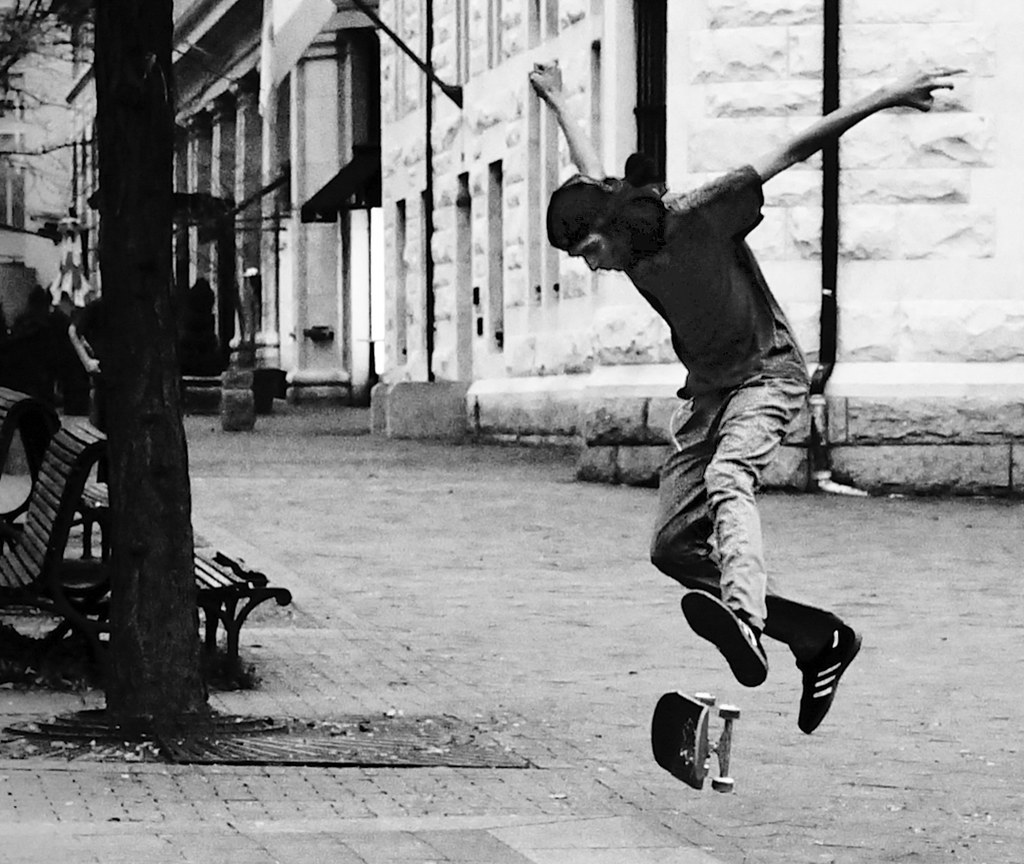
"Zeke Williams had had his first wet dream about his best friend when he was thirteen years old. It had been one of his first wet dreams,period, definitely the first one that he remembered, not one where he just woke up sticky and feeling a little bit grossed out, a little bit satisfied, a lot bit totally unaware what had just happened. In this one he’d been with Kevin and they’d been skating, going up and down the cul-de-sac Kevin lived in, doing rudimentary tricks on the makeshift ramps Kevin had managed to cobble together, and then Zeke had taken a pretty bad spill and then while Kevin was patching him up… 
He’d never forgotten about it, and now, four years later when they were going into their junior year of high school, still trying to do stupid tricks off of a cobbled together ramp, as he fucked up his balance and ended up skidding pretty far on the rough asphalt, tearing the hell out of his forearms, he had a brief flashback to the dream. Kevin kicked up his board and came for him. 'I’m good,' he said. He pushed himself up to sit and poked at his arm. Some good-looking roadburn, but nothing broken, and it was just his arm. He didn’t skateboard with his arm. 
'I’ll go get some gauze,' Kevin said. 'Gotta wrap that shit up, son.'"

Hmmm okay. So, I definitely feel like you could show Zeke has a crush on his best friend without immediately diving into, like...wet dreams. Not that there's anything wrong with wet dreams, but it's very personal information for a character we are meeting right this second. It also kind of treads a little into fetishizing territory, which I know was not the intention, but yeah, that's a thing.

I think, instead, it'd be more effective (and less likely to immediately turn readers off) if you showed Zeke's crush through his interactions with Kevin in the moment, through his thoughts and internal reactions. Maybe he briefly considers how embarrassed (or whatever) he is that he's had those kind of dreams about his best friend, which is fine, but I wouldn't recommend starting with that.

So that's what I'm thinking overall right now. Let's dive into the line edits.

"Zeke Williams had had his first wet dream about his best friend when he was thirteen years old. It' had been one of his first wet dreams,[space]period, definitely the first one that he remembered, not one where he just woke up sticky and feeling a little bit grossed out, a little bit satisfied, a lot bit totally unaware what had just happened I find this bit hard to believe. Even at thirteen, he'd know what happened. Even if his school didn't do sex ed, he would've heard from his peers, or the media, etc. In this one he’d been with Kevin and they’d been skating, going up and down the Kevin's cul-de-sac Kevin lived in, doing rudimentary easy tricks on the makeshift ramps Kevin had managed to cobbled together, and then Zeke had taken a pretty bad spill and then while Kevin was patching him up… 
He’d never forgotten about it, and now, four years later when they were going into their junior year of high school, still trying to do stupid tricks off of a cobbled together ramp, as he fucked up his balance and ended up skiddeding pretty far on the rough asphalt, tearing the hell out of his forearms, he had a brief flashback to the dream. 
[new paragraph]Kevin kicked up his board and came for him. 
[new paragraph]'I’m good,.' he said. He pushed himself up to siat up and poked at his arm. Some good-looking road[space]burn, but nothing broken, and it was just his arm. He didn’t skateboard with his arm. 
'I’ll go get some gauze,' Kevin said. 'Gotta wrap that shit up, son.'"

So most of the changes I'm suggesting here are just to condense wordiness, which is a super common critique and something I think we all need to weed out of our work at some point. Overall I think the most important thing is to just reconsider how you open this project. As is, if I saw this in the slush, I would pass.

I hope that helps! Thanks for sharing your first 250 with us, Aurora!

Twitter-sized bite:
.@Ava_Jae talks reworking openings, wordiness and more in the 40th Fixing the First Page Feature. (Click to tweet)

Fixing the First Page Feature #39

Photo credit: WordRidden on Flickr
October is just days away! Which means all things Fall are upon us, the leaves are changing colors, the weather is cooling in the Northern hemisphere (hopefully), and, of course, it's time for the next Fixing the First Page feature.

As usual, I'll start by posting the full first 250 excerpt, after which I'll share my overall thoughts, then my redline critique. I encourage you guys to share your own thoughts and critiques in the comments (because I'm one person with one opinion!), as long as it's polite, thoughtful, and constructive. Any rude or mean comments will be unceremoniously deleted.

Let's do this. 

Title: SONG OF BLOOD

Genre/Category: Fantasy
"The tavern was filled with pirates of various fashion senses. A gaggle of them roared for refills, sporting offensively garish breeches and egos to match. The older ones slouched in corners, black trench coats pulled up around their grizzled faces, rapiers hanging like dead men from their belts. With her outlandishly feathered hat and high collared coat, Captain Scarlet Rogue was right at home. 
She sat in the corner, hands clasped around a mug of ale that, by the look of the tavern, was most certainly watered down. The amber liquid sloshed in her glass as she tipped it back and forth, listening to pirates shout for drinks and pretty barmaids. 
One such barmaid had approached her, asking in a reedy voice if that was all she’d be having. Scarlet ignored her until she flounced off to go sit on some drunkard’s lap. She’d been sitting in the same tavern all day, and her hands were clenched around the mug so tightly she didn’t think she could let go if she tried. 
Her crimson hair was tied up and shoved under her hat, her revolvers tucked away into her coat. She was no longer the feared Scarlet Rogue, captain of the Vespers, a name that had once struck terror into the hearts of every good-hearted merchant and dirty-mouthed sailor. She was just Scarlet, captain of a ship that hadn’t left port in months."

This is so interesting! I love the characterization of Scarlett and definitely have lots of questions, as a reader. There are also some really nice moments of imagery I enjoyed.

I do think it'd be helpful to condense a bit to get to the part about how her ship hasn't left port in months a little faster, though, because I felt like it went on just a tad too much in places where it'd be more effective to get to the point.But overall this was an enjoyable start.

Now for the line edits!
"The tavern was filled with pirates and Captain Scarlet Rouge was right at home of various fashion senses. I'm suggesting you move (part of) the last line to the start, for a few reasons. First, starting with the protagonist right away helps better ground readers, who in your original version are left to kind of float around aimlessly until you mention Scarlet. And secondly, the "various fashions senses" bit wasn't really carrying its own weight, meaning that it was vague and didn't really add enough to the sentence that I felt it was worth keeping. A gaggle of them privateers (or another word for pirates) roared for refills, sporting offensively garish breeches and egos to match. The older ones slouched in corners, black trench coats pulled up around their grizzled faces, rapiers hanging like dead men from their belts. I love this image so much! "rapiers hanging like dead men from their belts" like, what powerful imagery! Really, really nicely done. With her outlandishly feathered hat and high collared coat, Captain Scarlet Rogue was right at home. 
She Scarlet sat in the corner, hands clasped around a mug of ale that, by the look of the tavern, was most certainly watered down. Nice voice. The amber liquid sloshed in her glass as she tipped it back and forth, listening to pirates shout for drinks and pretty barmaids. 
One such barmaid had approached her, asking in a reedy voice if that was all she’d be having. Scarlet ignored her until she flounced off to go sit on some drunkard’s lap. I want to encourage you to be careful with the word choice here, because Scarlett is starting to come off as arrogant, like she thinks the barmaid is beneath her. It's not endearing. She’d been sitting in the same tavern all day, and her hands were clenched around the mug so tightly she didn’t think she could let go if she tried. 
Her crimson hair was tied up and shoved under her outlandishly feathered hat, her revolvers tucked away into her high-collared coat. Bringing back some of that description I cut earlier. She was no longer the feared Scarlet Rogue, captain of the Vespers, a name that'd had once struck terror into the hearts of every good-hearted merchant and dirty-mouthed sailor. She was just Scarlet, captain of a ship that hadn’t left port in months."
So there are my suggestions! Overall, they're mostly just tightening notes, to help move things a little more quickly and ground the reader right away. I think this was a really strong start to begin with and I'm totally interested—if I saw this in the slush I'd definitely keep reading. 

I hope that helps! Thanks for sharing your first 250 with us, Arden!

Twitter-sized bite:
.@Ava_Jae talks grounding the reader, imagery and more in the 39th Fixing the First Page Feature. (Click to tweet)

Vlog: 3 Types of Editing

You asked, I answered: what are the different types of editing and what is each helpful for? Today I'm talking the stages of editing and why each are equally important.
What are the 3 types of editing and why is each important? @Ava_Jae breaks it down in today's vlog. (Click to tweet)

Fixing the First Page Feature #38

Photo credit: Matt Henry photos on Flickr
September is nearly here, retail stores are transitioning to their fall collections, and summer is at an end. But of course, the end of the month means it's time for the next Fixing the First Page feature!

As usual, I'll start by posting the full first 250 excerpt, after which I'll share my overall thoughts, then my redline critique. I encourage you guys to share your own thoughts and critiques in the comments (because I'm one person with one opinion!), as long as it's polite, thoughtful, and constructive. Any rude or mean comments will be unceremoniously deleted.

Here we go!

Title: DRAWN IN 2

Genre/Category: YA fantasy (light)

First 250 words:

"She's dazed, the white of her nightshirt standing out like a beacon in the moonlit forest, but it's the circle of guns pointed at her that captures my attention. Four Enforcers surround her, and as I watch from my hiding place behind an oak tree and try to get my bearings, inexplicably, they laugh. 
'A little confused, Traveler?' It's the leader who speaks, his rough voice amused at this poor girl's blinking bewilderment. If his beefy stature towering over the others isn't clue enough that he's in charge here, his unremarkable unhandsome face is. It's Donovan, and although the fact that he's not currently threatening me is a nice change, I still shiver, knowing exactly what this stranger in pajamas is feeling. 
'Am I... am I dreaming?' She turns a full circle, taking in the men surrounding her. She tosses her long black hair over one shoulder and tentatively reaches out to touch the barrel of one of the guns. 'It feels so real.' 
My pulse speeds up and I steady myself, leaning into the tree. I should intervene somehow, do something. But what? I'm as unprepared as this girl is, ripped from my bed in the middle of the night—no warning, no weapon--just me in my Ravenclaw PJs, bare feet sinking into the soft grass. At least I've been here before. This Traveler isn’t quite as savvy. 
Donovan sneers. 'Dreaming, huh? Funny, that's what they all think. I keep hoping one of you will be original someday.'"

Interesting start! I like that we're starting in medias res (which is my personal favorite kind of opening), and some of the details and thoughts in there from the narrator definitely helped ground me, even as I tried to figure out what was going on. All in all, pretty well-built foundation here.

Now for the line edits!

"She's dazed, the white of her nightshirt standing out like a beacon in the moonlit forest, but it's the circle of guns pointed at her that captures my attention. Adjustment made both to cut wordiness and remove filtering. Four Enforcers surround her, and as I watch from my hiding place behind an oak tree and try to get my bearings, inexplicably, they laugh. 
'A little confused, Traveler?' It's tThe leader who speaks, his rough voice amused at this poor girl's blinking bewilderment. If his beefy stature towering over the others isn't clue enough that he's in charge here, his unremarkable unhandsome face is. It's Donovan, and although the fact that he's not currently threatening me is a nice change, I still shiver, knowing exactly what this stranger in pajamas is feeling. Again, suggested cuts are to lessen wordiness and remove filtering.
'Am I... am I dreaming?' She turns a full circle, taking in the men surrounding her. She tosses her long black hair over one shoulder and tentatively reaches out to touch the barrel of one of the guns. 'It feels so real.' 
My pulse speeds up and I steady myself, leaning into the tree. I should intervene somehow, do something. But what? I'm as unprepared as this girl is, ripped from my bed in the middle of the night—no warning, no weaponjust me in my Ravenclaw PJs, bare feet sinking into the soft grass. Love the Ravenclaw PJs detail! Not only is it a great image but it tells me a little more about your protagonist. At least I've been here before. This Traveler isn’t quite as savvy. 
Donovan sneers. 'Dreaming, huh? Funny, that's what they all think. I keep hoping one of you will be original someday.'"

Okay! So the main thing I'm noticing here is wordiness throughout, which is super common, so no worries. I recommend going through your manuscript and reading it aloud—that can help make it easier to spot when you're saying something in five words you can say in two, or when the flow stumbles.

Otherwise, I think this is a pretty solid start. I'm definitely intrigued, and if I saw this in the slush I'd totally keep reading. :)

I hope that helps! Thanks for sharing your first 250 with us, Sioux!

Twitter-sized bite:
.@Ava_Jae talks wordiness, details and more in the 38th Fixing the First Page Feature. (Click to tweet)

POV (Should) Influence Every Word

Photo credit: chefalfalfa on Flickr
While working on freelancing projects as of late, I've been thinking a lot about POV, and all the things a well-done immersive POV entails. When I first began writing, I thought POV was about focus—as in, the POV character was the character you had to focus on most in your writing, but that was about it. I knew, on paper, that you were supposed to "step into their shoes" so-to-speak, but I don't think I really knew what that meant until many years later when I began working with a critique partner who is truly excellent at writing immersive character perspectives.

When said critique partner pointed out to me, in an old work of mine, that I was using rather flowery language for an allo cishet non-artsy teen boy perspective, it sort of blew my mind. Because I realized, for the first time, that character perspective affects literally every word.

Your character perspective changes:

  • what words and phrases are used to describe things.
  • what readers know about the world, surroundings, and other characters. 
  • what readers see in any given scene. 
  • what readers think about other characters or various situations. 

The perspective, in other words, pretty much makes the story. 

That's why it's so important to really hone in on our characters' POVs. We need to understand the way they think, the way they speak, the way they feel even when they're trying to hide it, what they care about, what they look at, etc. It really does come down to asking ourselves, "would my perspective character use this word?" or "would my perspective character notice this?" There isn't a single part of the story that perspective doesn't affect in some way, and that's essential to remember. 

While it's not something I think you need to worry about too extensively while first drafting, it is definitely important to check—again, and again, and again—while revising. Because readers will notice when a perspective doesn't really fit a character, and long before that, not paying enough attention to perspective will limit your ability to deepen a story and make your characters truly feel memorable and real. 

Do you step into your characters' shoes when writing?

Twitter-sized bite:
Author @Ava_Jae says POV should influence every word in your WIPs. What do you think? (Click to tweet

Fixing the First Page Feature #36

Photo credit: chris_ford_uk on Flickr
July is arriving and the 36th Fixing the First Page Feature has finally arrived. Yay!

As usual, I'll start by posting the full first 250 excerpt, after which I'll share my overall thoughts, then my redline critique. I encourage you guys to share your own thoughts and critiques in the comments (because I'm one person with one opinion!), as long as it's polite, thoughtful, and constructive. Any rude or mean comments will be unceremoniously deleted.

Here we go!

Title: TO BE IMPROVED

Genre/Category: YA Contemporary/LGBT

First 250 words:

"I check my phone: 4:05 p.m. We’re supposed to start at four, so I get up and peer through the door with the plaque reading Farid Ansari, LPC. 
Mr. Ansari’s office is full of all sorts of sculptures on the window panes and his desk. A couple of paintings hang on the walls, along with his framed certificates. Overall, it’s borderline cluttered, but I shouldn’t be complaining since my room’s not always the tidiest... 
Mr. Ansari turns to me, and his face brightens. 'Come in Sam,' he calls. 'I'll be with you in a second.'
I sink into one of the black leather chairs and wait for him, looking out the window at the street. 
'Hello Sam,' he says as he rolls his desk chair to mine. 'How are you doing?' 
Whether it’s the first time or the fifth time, my nerves still start jumping. It’s not always easy to talk about your feelings like this, especially when you know it’s someone who’s getting paid to put you under a microscope, dissect you, and find out what’s wrong with your life.

'I’m fine,' I say. 'Uh, school’s been going on for a couple of weeks now.' Mr. Ansari keeps his gaze on me. I tap my fingers as I think of what to say. My heartbeat picks up. 'I’m doing all right in my classes…' 
He nods. 'That’s good. Are you enjoying yourself?' Somehow, his gaze seems to intensify, like he’s switching to a higher powered lens on the microscope."

Okay! So before I talk about the sample itself, I have a quick note on the way you categorized your book. I actually recommend against using the four-letter LGBT acronym when describing your book unless you actually have four protagonists, and one is lesbian, one is gay, one is bi, and one is trans. I'm guessing that isn't the case, though, so instead describe what aspect you're actually covering. For example, you can say f/f Contemporary, or m/m Contemporary, or YA Contemporary with a bi protagonist, etc. Be specific. 

Now for the sample itself. I think this opening is written well enough, but I'm not sure it's really so compelling that I'd feel the urge to keep reading—which is obviously what you want, a strong hook to draw the readers in. I think the main issue for me is at this point, there isn't much hint of conflict. Sure, Sam is nervous about talking to the psychiatrist, but why? They (and I'm using they, since Sam's gender is unclear) only talk about how they're doing fine in school and the only nervous-making thing they think about is they're not sure what to say. But I'd like to see a better hint of the upcoming conflict right up front. What exactly is Sam nervous about? Why are they seeing a psychiatrist? Is there something Sam doesn't want to say? I think by giving us a better picture of what's going on in Sam's head and specifically why they're there and how they feel about being there would help point to the upcoming conflict in a way that would draw readers in a little more.

Okay, now for the in-line edits: 

"I check my phone: 4:05 p.m. We’re supposed to start at four, so I get up and peer through the door with the plaque reading Farid Ansari, LPC. Made italic just to better differentiate the narrative and what Sam is reading.
Mr. Ansari’s office is full of all sorts of sculptures on the window panes and his desk. A couple of paintings hang on the walls, along with his framed certificates. Overall, it’s borderline cluttered, but I shouldn’t be complaining since my room’s not always the tidiest... 
Mr. Ansari turns to me, and his face brightens. 'Come in Sam,.' he calls. 'I'll be with you in a second.'
I sink into one of the black leather chairs and wait for him, looking out the window at the street. What does Sam see? This could be a good opportunity to hint at where Sam lives. Is it a wintry city street outside? A rolling spring landscape? Some orange and red autumn-tinted woods? Show us what Sam sees.
'Hello Sam,.' he says as hHe rolls his desk chair to mine. 'How are you doing?' 
Whether it’s the first time or the fifth time, my nerves still start jumping. It’s not always easy to talk about your feelings like this, especially when you know it’s someone who’s getting paid to put you under a microscope, dissect you, and find out what’s wrong with your life.

'I’m fine,' I say. 'Uh, school’s been going on for a couple of weeks now.' Mr. Ansari keeps his gaze on me. I tap my fingers as I think of what to say. My heartbeat picks up. 'I’m doing all right in my classes…' 
He nods. 'That’s good. Are you enjoying yourself?' Somehow, his gaze seems to intensifiesy, like he’s switching to a higher powered lens on the microscope." Nice ending image there. :)

So as you can see, for the most part it's just minor tweaks to get rid of some slight wordiness (like using action tags and dialogue tags in the same line), and an opportunity for more detailed description to help ground the readers. Like I said above, this is pretty well written to start with, so I'd just like to see some building and cleaning up to take it to the next level.

As is, if I were to see this in the slush, I'd pass as I said above, because I'm not currently drawn into the story as much as I would like. But I think with some tweaks to bring in more of the conflict earlier, you'll have a pretty solid set up.

I hope that helps! Thanks so much for sharing your manuscript with us, Jessica!

Twitter-sized bite:

.@Ava_Jae talks hinting early at conflict, building setting and more in the 36th Fixing the First Page Feature. (Click to tweet)

Do You Need That POV?

Photo credit: evans.photo on Flickr
I recently mentioned that POV issues are one of the most common critiques I have for manuscripts I edit. Of those, I'd say probably the most frequently POV issue I come across is unnecessary POVs.

I totally understand why this is a common problem. It can be hard, when you've decided to write a multi-POV story, to decide what POVs are needed to tell the story. After all, you're the author, you could write a story with five, eight, ten, fifteen POVs if you wanted to—but as is the case with many things, just because you can doesn't mean you should.

So how do you know how many POVs to use? And how to you decide what characters should get their own POV?

I always start with this rule of thumb: use as few POVs as you need to tell the story. This is a case where more is not the merrier. Why? Because switching POVs is jarring to readers, and the more times you do it with the more characters you use, the harder it is to get used to any one perspective. There are some readers out there who won't read multi-POV novels simply because they don't like head-hopping, so you really need to have a good reason for every POV that you use. As is the case with all things in writing, there should be a reason for everything.

But what counts as a good reason? Well...

It starts with really understanding your plot. What is the point of the story? What is the central goal and conflict? You'll want to make sure your POV characters are absolutely central to the story, in that you can't tell the story without their perspective. It means every POV character is directly tied to the central goal, so that their story is the story. What you don't need is to give supporting characters perspective chapters—every POV character should be tied enough into the plot that they'd count as a protagonist too. POV characters shouldn't just support the story, they should be the story.

So say you have a cast of characters and are still working on the plot, so you aren't sure who to make a perspective character. The way you choose is actually less complicated than you'd think: you always want to go with the character(s) who have the most at stake and would be most affected by the plot. And in the case of YA, these should all be teen characters.

Choosing perspectives for your story can be tricky at times, but I do think it gets easier with practice. Just make sure to consistently challenge yourself to only use as many POVs as you need to tell the story, and you'll be off to a great start.

Have you ever written a WIP with too many (or few!) POV characters? Or have you read any published books with that problem?

Twitter-sized bite: 
How many POVs should you use? What characters should get their own POV? @Ava_Jae talks choosing POVs. (Click to tweet)

6 Most Common Critiques

Photo credit: freestocks.org on Flickr
I've been freelance editing for over a year now, and in that time I've written a lot of edit letters. Which is great, because it means I've had the opportunity to read and critique a lot of work, which I've really enjoyed.

It also means, over time, I've noticed quite a few patterns in the critiques I frequently end up giving, because there are trends in the issues many manuscripts I've worked with have had. These trends are things I figure would be helpful for writers to look for while revising on their own, so I thought I'd share them.

So without further ado, here are the six most common critiques I have for manuscripts and samples I've read over the last thirteen months. In no particular order...

  • Filtering/telling emotion. I did say this list is in no particular order but this is definitely my #1 most common critique. As I've talked about here before, filtering is a form of telling that often subtly distances the narrative, and removing the amount of filtering can make the narrative feel more intimate. Same goes for telling emotion—rather than stating how characters are feeling, it's much, much more effective to consider how those emotions affect your characters physically and consider how they affect your characters' thoughts. Then by writing those physical and psychological effects, your readers can intuit what emotions your characters are feeling without ever being told. Which again, makes the narrative feel closer and more immediate.

  • POV issues. There are several POV issues I frequently come across, namely: too many POVs, POV slips, and adult POVs in YA manuscripts. The first two kind of go together: I frequently remind my clients they should only use as many POVs as they need to tell the story, and it's not uncommon that when there are too many POVs in a story, the POVs also kind of slip together—meaning POV will switch within a scene without any transition, which is confusing and hard to read. The last point is pretty YA-centric, but I've on several occasions come across adult POVs in YA manuscripts, which isn't really allowed in YA. YA, after all, is a teen category for teen readers and their stories are supposed to be told by teens. Save the adult POVs for adult books, because they largely don't belong here.

  • What is the protagonist's goal? This is a pretty big plot issue and it's not uncommon. Sometimes I'll go through a manuscript and it won't be clear until halfway through, or the last act, or later, what the protagonist's goal is—but that's way too late to introduce a goal. The protagonist's goal should be clear right from the beginning. It's okay if their goal changes over time, but the protagonist must always have something to strive for—without that goal, the plot and pacing falls flat.

  • Voice issues. Given that I edit YA and NA, voice is especially paramount, and a frequent critique I have especially for YA works is that the voice doesn't quite sound like a teen. This is hard to nail, especially at first, and my biggest suggestion for fixing that is to read a ton of YA. But it's also a matter of constantly reminding yourself that you, the adult author, aren't the one telling the story—your teen characters are.

  • Action tag + dialogue tag. This a pretty easy to fix—but common—one. When writing dialogue, you only need an action tag or a dialogue tag—not both for the same line. So rather than saying, "'I hate you,' she said with a smile," you can say, "'I hate you.' She smiled" and get the same point across in less words. It's a trick to help cut down on wordiness. And speaking of which...

  • Wordiness. Line editing is really my forte, so it's not surprising that I pretty nearly always find wordiness to cut in a manuscript. I already did a post on things to look for to cut down on wordiness though, so I'll refer you to that.

So that covers my most common critiques. Do you catch any of these in your own work?

Twitter-sized bite:
Author & freelance editor @Ava_Jae shares their most common critiques. Do you catch these in your own work? (Click to tweet)

Ava Edits One Year Anniversary Sale!

So about a year ago I made a pretty site and opened my doors to freelance editing! It's been a fantastic decision for me—I've really enjoyed working with so many talented clients—and I love my job. I'd like to celebrate my one year freelancing anniversary with a sale—yay sales!

To celebrate my one year freelancing anniversary, from now until end of May all services are 5% off to everyone, and because I'd like to help get more #ownvoices projects out in the world however I can, I'm also offering 10% off to #ownvoices projects! #ownvoices means you share a marginalization with your protagonist (not that someone in your family shares that marginalization, you). Also it must be a marginalization, not an experience, so something related to race, gender (I don't mean "woman," I mean "not cis"), sexuality/romanticism, religion, disability, or neuroatypicality.

Don't have an #ownvoices project you want edited? That's fine, you still can get 5% off any service! And like last time, you don't necessarily have to have anything ready right now to take advantage of the sale—as long as you book before the end of May (even if you book for, say, July), it will count!

Finally, I'm currently pretty booked in April, but I've got openings for everything May onwards.

So that covers it! Thanks again for all of your wonderful support—it's been a great year!

Twitter-sized bite:
Freelance editor @Ava_Jae is hosting a one year anniversary sale w/ 5% off all projects & 10% off #ownvoices projects until 5/31/17! (Click to tweet)

Discussion: How Many Drafts Do You Generally Do Per Manuscript?

Photo credit: tetracarbon on Flickr
I know the answer to this question will vary greatly manuscript to manuscript (and writer to writer, of course), but as I work on Into the Black's sixth draft—which was, honestly, one of my cleanest manuscripts to date—I've been thinking about this. Judging by the last couple manuscripts I've sent to my agent, it seems I usually get to around five drafts before we consider it submission-ready—that is, ready to go to either my editor on submission, depending on the book.

But for me, five drafts usually means it hasn't needed major overhauls—or if it did I squished all those overhauls into one revision round (but not necessarily one pass!) and thus it didn't require extra checks with other people added to my process.

I suppose it also depends on how you define a draft. For me, I count a new draft every time I start a new serious revision round. So after the first draft, I work on my own revisions and create the second draft. Then it goes through two rounds with critique partners, after each of which I end up with the third and fourth draft. Then it goes to sensitivity readers (if necessary) and my agent and I use their notes to come up with the fifth and sometimes sixth draft. In between those, when I have multiple passes through a manuscript (usually to fix separate big things) I label them as partial drafts, like 3.1, 3.2, 3.3, etc. until I've finished. But I don't really count those as separate drafts—it's more of a way to mark how many passes I did per revision round.

But that's my method and a general trend based off a couple manuscripts I've gone the full process with. And so I'm curious—how many drafts do you generally do per manuscript?

Twitter-sized bite:
How many drafts do you generally do per manuscript? Join the discussion on @Ava_Jae's blog. (Click to tweet)

Do You Really Need That Scene?

Photo credit: bhayva999 on Flickr
A critique I've been finding myself make more often is questioning whether a scene is really vital to the plot—and I've been somewhat surprised with how often the answer is...well, questionable.

Unlike real life, everything that happens in the book must have a purpose—from your protagonist's daydream, to that witty banter, to that flashback or cute, fluffy scene. Every little thing must advance the plot or characters in some way, and sometimes, it can be hard to recognize whether or not that scene you love is actually doing something important, or whether its there just because you like it.

Really analyzing your scenes is an important part of large-scale revisions. It can be hard to admit that a scene might not be holding its weight, but once you reach that point, there are two things you can do: cut it or fix it.

Cutting a scene that isn't holding its own is self-explanatory, really—if it doesn't serve a purpose, then it doesn't need to be there. But in some cases, a scene may still have potential, in which case it can be reworked to serve some kind of purpose. Maybe you add a section where your characters talk about something important, or reveal something about themselves; maybe they stumble onto something that affects the plot. Whatever it is, what's important is that you make sure your revisions allow the scene to either further the plot or character—or both.

Analyzing whether or not a scene is really necessary can be hard when it's your own work—another reason why critique partners are so helpful. But by really putting each of your scenes under a microscope, you can discover some important ways to further your plot and character, ultimately strengthening your book as a whole.

Have you ever cut or reworked a scene that wasn't serving a purpose?

Twitter-sized bite:
Do you really need that scene? @Ava_Jae talks the importance of making sure every scene has a purpose. (Click to tweet)

Fixing the First Page Feature #32

Photo credit: AnToonz on Flickr
We are nearing the end of February! Which for me at least has been a relatively good month despite not-so-great health things. I'll take it. This also of course means it's time for the next Fixing the First Page critique—yay!

As usual, I'll start by posting the full first 250 excerpt, after which I'll share my overall thoughts, then my redline critique. I encourage you guys to share your own thoughts and critiques in the comments (because I'm one person with one opinion!), as long as it's polite, thoughtful, and constructive. Any rude or mean comments will be unceremoniously deleted.

Let's do this!

Title: CREW

Genre/Category: YA Contemporary

First 250 words:

"It’s not the moment your life collapses that’s the worst part.

It’s what comes after.

When you wake up from the nightmare to find out that it wasn’t, unfortunately, a nightmare, but your life, and you have to go on living it.

So this is me, approximately three months after my life ends and I have to start it all over again:

Sitting like a taut wire at the edge of one of those red velvet, deceptively uncomfortable auditorium seats, while on the stage a tiny Asian boy with skin issues is eking out Hamlet’s soliloquy.

“What dreams may come,” he squeaks, “When we have shuffled off this mortal coil—” 
Which sounds exactly what I’d like to be doing right about now. 
My knuckles are white. My intestines have tied themselves up into a knot and are currently trying to escape through my throat. I’m two people away from my audition. Some people have sucked, like this kid, but most have been pretty good. 
And me? I’ve never done this before. But if we’re going to base this on my high school endeavors to date, I’m placing my bets on the “suck” end of the spectrum. 
I could just get up and leave. I should just get up and leave.

But that would be admitting defeat. To Mom. To Vicky. To myself.

This was my last great idea. I’m out of options.

I take a deep breath. I can do this. I love plays. Especially Shakespeare. Especially Hamlet."

This is really interesting! I really like the voice—though there are some tweaks I'm going to suggest, I'd definitely place it as a teen—and the tension is clear. There's also some great imagery I'd like to see even more of, but not bad to start.

I have nothing significant to suggest changing overall, so let's look at the line edits:

"It’s not the moment your life collapses that’s the worst part. It’s what comes after. When you wake up from the nightmare to find out that it wasn’t, unfortunately, a nightmare, but your life, and you have to go on living it. Suggest making this one paragraph because I can already see you use short paragraphs a lot and "It's what comes after" doesn't really stand well on its own, and as a whole it makes more sense with all three together.

So this is me, approximately three months after my life ends and I have to start it all over again:

Sitting like a taut wire at the edge of one of those red velvet, deceptively uncomfortable auditorium seats, while on the stage a tiny Asian boy with skin issues pimples is eking out Hamlet’s soliloquy. Love the imagery in the bolded. I'd squeeze more in this first page if you could—not in this paragraph, but overall.

“What dreams may come,” he squeaks, “When we have shuffled off this mortal coil—” 
Which sounds exactly what I’d like to be doing right about now. Heh, this is a line that sounds very teenagery and snarky and I like it.
My knuckles are white. My intestines have are tied themselves up into a knot and are currently trying to escape through my throat. I’m two people away from my audition. Some people have sucked, like this kid, but most have been pretty good. 
And me? I’ve never done this before. But if we’re going to base this on my high school endeavors to date, "Endeavors" isn't really a word teens (or even most adults to be honest) use casually. Switch this out with something more casual. I’m placing my bettings on the “suck” end of the spectrum. 
I could just get up and leave. I should just get up and leave. But that would be admitting defeat. To Mom. To Vicky. To myself. These work better as a paragraph together, IMO. 

This was my last great idea. I’m out of options.

I take a deep breath. I can do this. I love plays. Especially Shakespeare. Especially Hamlet."

Okay, so, the main thing I'm noticing overall is overuse of short paragraphs. This is something I see pretty often as an editor, and I get it—short paragraphs are punchy. The more you use them, however, the less punchy they are. Remember, stylistic things in writing should be used as a spice—a little here, a little there, but use too much and you ruin the dish and everything tastes like salt. Try to only use short paragraphs when you really want to give the paragraph some impact—and remember with every use it becomes a little less powerful.

Otherwise, I think this is a strong start. Be careful with word choice (every word should sound like it'd come from a teen!) but the voice is interesting, I like the imagery, and if I saw this in the slush, I'd keep reading.

I hope that helps! Thanks for sharing your first 250 with us, Mary Kate!

Twitter-sized bite:
.@Ava_Jae talks voice, stylistic writing effects, and more in the 32nd Fixing the First Page Feature. (Click to tweet)

Fixing the First Page Feature #31

Photo credit: lwpkommunikacio on Flickr
The first month of 2017 is nearly over! And...what a month it's been. Yeesh. But the bright side is the first Fixing the First Page critique of 2017 has finally arrived, so let's do this.

As usual, I'll start by posting the full first 250 excerpt, after which I'll share my overall thoughts, then my redline critique. I encourage you guys to share your own thoughts and critiques in the comments (because I'm one person with one opinion!), as long as it's polite, thoughtful, and constructive. Any rude or mean comments will be unceremoniously deleted.

Here we go! 

Title: A MURDER OF OWLS

Genre/Category:
Adult Urban Fantasy/Thriller

First 250 words:

"Jacinta Rose committed her first murder ten years before she was born.

Six months ago, when the memories of her serial killing first returned, she’d thought herself delusional. But now, as she lingers in the rotting heart of the power station, she can’t deny the truth any longer. All her research has brought her here.

Jacinta stands on a web of concrete bridges suspended three stories high. Drab steel walls frame the vast industrial area, barred windows twisting the afternoon light as it spills inside. Only her dark pea coat keeps a gaunt chill at bay. The power station is old and withered, a nest of spiders and memories. From her perch, Jacinta can see where the body landed. In her mind’s eye, she can still see the body. 
The power station had been decades away from being abandoned after Cyclone Briar, the floor a writing mass of bodies and machinery. She’d walked nonchalantly, rolling up the sleeves of her casual black suit. Brown skin and dark curls reflected back at her in the glass windows parallel to the walkway. Despite the gulf of time, she still appeared twenty-five.

The foreman was looking way, didn’t even see the knife she seemed to pull from thin air. It rippled like liquid silver and stabbed into his back once, twice. Rubies of blood fell. Jacinta struck him hard in the neck before the first droplet hit the walkway. The man twisted, muscles spasming. Smiling, she swept his legs out from underneath him, and he fell."

Huh, okay. Well firstly, before I forget I want to say I love the title—it's really cool. But at any rate, this is an interesting opening. Super dark, obviously, though I'm not entirely clear whether this is before an inciting incident or if this is a prologue. The biggest issue I'm having upfront is I'm not connecting to—who I'm assuming is—the protagonist. From my perspective right now she's just a random (immortal?) murderer who killed someone for no reason. As a reader, I need to better understand what's going on here and what the justification is for these violent acts before I'm going to give this protagonist the benefit of the doubt. Especially since she seems to enjoy it.

Secondly, I'm missing the tension and hint of conflict here, because I don't know why the protagonist (or who I'm assuming is the protagonist) is doing this. Of course we can't expect to know everything on the first page, but a hint of that motivation could really help both clue the readers in as to why they should care about what's going on and better understand the protagonist so we don't assume this is just a bloodthirsty killer.

Now for the line edits!

"Jacinta Rose committed her first murder ten years before she was born. Very interesting opening line.

Six months ago, when the memories of her serial killing first returned, she’d thought herself delusional. I'm questioning whether you need this line right here, because right now I'm finding it confusing and it isn't adding any understanding to this scene, for me. But now, as she lingers in the rotting heart of the power station, she can’t deny the truth any longer. What truth? All her research has brought her here.

Jacinta stands on a web of concrete bridges suspended three stories high. Drab steel walls frame the vast industrial area, barred windows twisting the afternoon light as it spills inside. Only her dark pea coat peacoat keeps a gaunt chill at bay. The power station is old and withered, a nest of spiders and memories. From her perch, Jacinta can see where the body landed. It'd be more effective if you replaced this with a description of the body. That way you aren't filtering ("Jacinta can see"), but by describing it the readers know Jacinta can see it. In her mind’s eye, she can still see the body.  Recommending deleting that line because it's basically the same as the previous line.
The power station had been decades away from being abandoned after Cyclone Briar, the floor a writing mass of bodies and machinery. She’d walked nonchalantly, rolling up the sleeves of her casual black suit. Brown skin and dark curls reflected back at her in the glass windows parallel to the walkway. Despite the gulf of time, she still appeared twenty-five. This paragraph is pretty well done. We've got nice description and some important information without info-dumping. 

The foreman was looking away, didn’t even see the knife she seemed to pulled from thin air. It rippled like liquid silver and as she stabbed into his back once, twice. Adjusted because the knife didn't stab him itself—she used the knife to stab him. Rubies of blood fell. Jacinta struck him hard in the neck before the first droplet hit the walkway. The man twisted, muscles spasming. Smiling, she swept his legs out from underneath him, and he fell." Last note: I'm a little confused here about whether this is the body she was looking at near the beginning of the sample and if we've jumped back in time to see what happened or if this is another body.

Okay, so all in all, this is an intriguing opening that leaves me with some hesitant questions. If I saw this in the slush, I'd probably read the next page or so to see where this was going and if I got better insight into the protagonist, but if this turned out to be a prologue or I didn't get what I was looking for, I'd probably pass.

I hope that helps! Thanks for sharing your first 250 with us, Amy!

Twitter-sized bites:
.@Ava_Jae talks character connection, motivation and more in the 31st Fixing the First Page Feature. (Click to tweet)

The Final Polish Round-Up

Photo credit: atomicShed on Flickr
So you've finished your major revisions, which means your major plot, character, world building, pacing, etc. issues have been fully addressed and resolved. The heavy lifting is over, but you're not quite done yet, because next comes the detail work. 

That's right, I'm talking about line edits. 

Line edits are my favorite part of editing other people's manuscripts, but I do tend to find it a little more difficult for my own work, mostly because by the time the stage comes to work on line edits rolls around, I've already read my work a ton. Which means sometimes noticing the details can be a little challenging. 

I've done a couple posts covering things to look for when doing line edits and/or trying to cut, but as I don't yet have all of those related posts in one place, I figured now was as good a time as any to put them together. Partially because I haven't done it yet and partially because I need them all together as I start my own line edits. So. ;)

Without further ado, here are a couple posts to peruse as you prepare to do that final polish and/or line edits. Because sometimes it helps to have a list of things to look for when you've read your words so many times they all start to blur together:


Twitter-sized bite: 
Getting ready to polish your MS but not sure where to start? @Ava_Jae rounds up some posts focused on line edits. (Click to tweet)
Vlog: How Do You Know When You're Done Revising?

You asked, I answered. Today I'm talking about how to know when you're done revising your manuscript.


RELATED VLOGS:


How do you know when you're done revising?

Twitter-sized bites: 
How do you know when you're done revising? Join the discussion on @Ava_Jae's blog. #vlog (Click to tweet
Not sure when to declare your WIP done? @Ava_Jae vlogs on how to know you're done revising. (Click to tweet)

Fixing the First Page Feature #30

Photo credit: hharryus on Flickr
We're now in the final days of 2016. I've got a lot of mixed feelings about it, but the one definite positive thing is it's now time for the last Fixing the First Page Feature of 2016!

As usual, I'll start by posting the full first 250 excerpt, after which I'll share my overall thoughts, then my redline critique. I encourage you guys to share your own thoughts and critiques in the comments (because I'm one person with one opinion!), as long as it's polite, thoughtful, and constructive. Any rude or mean comments will be unceremoniously deleted.

Let's do this.

Title: MOONCHILD

Genre/Category: YA Fantasy

First 250 words: 

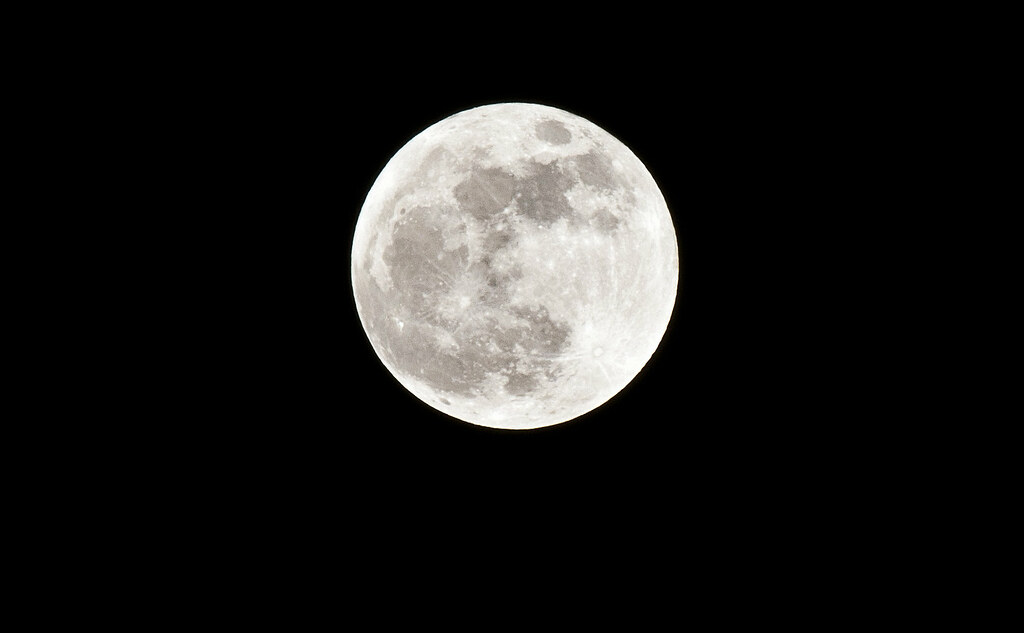
"The priests are always telling me that my mother should never have bathed me in the moon. It sets a girl up for mischief, and worse as she gets older. Now that I’m nearing sixteen, I’m far too old to be forgiven for knowing things no natural person should. 
I remember the moon-baths clearly enough, even though I wasn’t quite four when my mother was found out and taken away to Temple. I remember being cold and cranky, whining and stomping as she stripped away my overdress and tunic.

'No, moma, no!' I would shout, my cries echoing off the garden walls. I must have woken up half the compound with my yelling, but no one ever shouted back or lit a lantern to see what all the commotion was. 
'Calm down, Luna, just calm down,' my mother would say. She tried to distract me with special full-moon songs, and showed me how the light played in the big, round basin. I did like to watch the silvery ribbons dash around the polished bottom, swirling like watersnakes. Sometimes she could win a giggle from me before I remembered that I wasn’t going to like what came next.

It wasn’t just the icy feeling of the night air against wet skin - I didn’t like the squirmy feeling the bright water woke in my belly. I’d thrash and protest the whole time, even though mother would promise better and better treats each time if I would just be good. 
I was never good."

Wow, interesting! This definitely has a cool fantasy feel and I'm super intrigued by the moon baths and what that means and where this is going. This is, however, a prologue, so I'm immediately wondering whether this is the right place to start. It's hard for me to really say one way or the other without reading the full prologue and checking out the first chapter, but generally, I tend to recommend flashback prologues are integrated into the story rather than starting way before the story starts and then jumping into the present day.

So props for an interesting opening, but be careful with prologues—I suspect you may be better off starting with the start of the story and incorporating this elsewhere. But either way this does set up some nice world building and intrigue so yay.

Now for the in-line edits.

"The priests are always telling told me that my mother should never have bathed me in the moon. Beautiful opening line and image—I also like how it sets up tension right away. Well done. It sets a girl up for mischief, and worse as she gets older. Now that I’m nearing sixteen, I’m far too old to be forgiven for knowing things no natural person should. Iiiiinteresting. :D
I remember the moon-baths clearly enough, even though I wasn’t quite four when they found my mother was found out and taken took her away to Temple. Adjusted to make the sentence active (vs passive). I remember being was cold and cranky, whining and stomping as she stripped away my overdress and tunic. Adjusted to remove filtering (I remember).

'No, moma, no!' I would shouted, my cries echoing off the garden walls. I must have woken up half the compound with my yelling, but no one ever shouted back or lit a lantern to see what all the commotion was. 
'Calm down, Luna, just calm down,' my mother would say said. She tried to distract me with special full-moon songs, and showed me how the light played in the big, round basin. I did liked to watch the silvery ribbons dash around the polished bottom, swirling like watersnakes. Sometimes she could win won a giggle from me before I remembered that I wasn’t going to like what came next.

It wasn’t just the icy feeling of the night air against wet skin - I didn’t like the squirmy feeling the bright water woke in my belly. Adjusted to remove some filtering and wordiness. I’d thrash and protest the whole time, even though mother would promised better and better treats each time if I'd would just be good. 
I was never good."

Okay, after reading this a second time, I'm more sure that the flashback part should be moved. However, I think I'd recommend the first paragraph was kept. It really sets up great tension and kicks off with some early world building, and I could easily see it used as a transition into the present day story rather than the flashback. I don't know exactly where the story actually starts, but I suspect it'd be easy enough to keep it as the opener even if the flashback is moved later in the narrative.

Other than that, the main thing I'm noticing is some wordiness and filtering, which I adjusted above, but I definitely recommend the author check the rest of her manuscript for both, because if there's this much in the first 250, it's a good signal there's probably plenty more throughout the book.

If I saw this in the slush I'd skim through the rest of the prologue and jump to the opening to see if it grabbed me.

I hope that helps! Thanks for sharing your first 250 with us, Juniper!

Would you like to be featured in the next Fixing the First Page critique? Keep an eye out for the first giveaway of 2017!

Twitter-sized bite: 

.@Ava_Jae talks prologues, great opening paragraphs, wordiness and more in the 30th Fixing the First Page Feature. (Click to tweet
Related Posts Plugin for WordPress, Blogger...