Showing posts with label J.R.R. Tolkien. Show all posts

Stupid Characters vs. Stupid Decisions: They're Not the Same

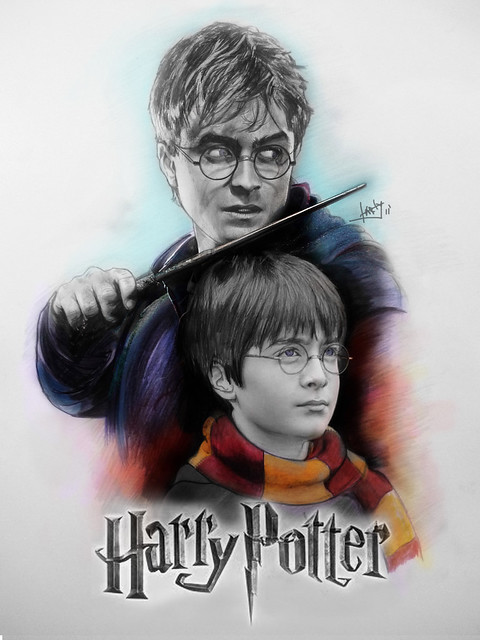
Photo credit: karly ilustraciones on Flickr
Throughout the course of a lifetime, we all make less than intelligent decisions from time to time—some of us more than others—so it should be no surprise that occasionally, our characters make choices that are many miles south of brilliant.

We see examples of these stupid (and often infuriating) decisions in even the most popular books and movies. For example:

  • The Harry Potter series (J.K. Rowling): Harry Potter makes more than a handful of astoundingly stupid decisions throughout the seven book series. Troll in the dungeon? Why yes, first years with little to no experience with magic are certainly capable of fighting off a raging troll. Mermaids make it clear that you may only save one student from underwater prison during the TriWizard Tournament? Harry the hero must save them all (because apparently he really thinks Dumbledore would let them die). 

  • Insurgent (Veronica Roth): Without spoiling anything, Tris makes plenty of decisions that fall short of the "intelligent" mark, many of which nearly get her killed. 

  • The Return of the King (J.R.R. Tolkien): And let's not forget to mention a certain overly curious hobbit (*cough* Pippin) who sneaks a peek at the shiny seeing stone that Gandalf made quite clear was off-limits. 

So what makes these regrettable decisions acceptable to readers? The answer is simple: there's a large difference between a stupid character and a stupid decision.

You see, when writing, unintelligent character decisions or mistakes can create great opportunities for character growth, plot progression and conflict. Whether it involves said character dealing with the consequences of his unfortunate decision, or other characters facing the repercussions of the act, stupid decisions can create great plot material (more on that in this post).

A stupid character, on the other hand, isn't nearly as useful.

Now you may be wondering what I mean by stupid character. To clarify, a stupid character...

  • Makes bad decisions just for the sake of making a bad decision (ergo: has no legitimate reason to make said bad decision). 

  • Ignores easy solutions to plot problems just because they didn't think of it. 

  • Blatantly misses fairly obvious clues/makes false deductions with little backing. 

  • And so on. 

The main difference between stupid characters and stupid decisions is the reasoning behind the poor choices: effective unfortunate decisions are made with a legitimate reason—the character has the proper motivation to make the decision and it makes sense for the character. More times than not, the character will be aware that the decision he/she is about to make isn't exactly the brightest decision, but their motivation behind the choice overpowers the part of them that knows it's a bad idea. Stupid characters, on the other hand, make unintelligent decisions just because. There's little rhyme or reason beside the writer needing to fill a plot hole, and using stupid characters is a high ineffective way to do it.

In short, stupid decisions can be useful, but stupid characters should be banished from your writing forever.

What examples of stupid characters or stupid decisions from books or movies can you think of?

Character Development: What Do They Want?

Photo credit: sahlgoode on Flickr
One of the most important questions you can ask yourself while plotting out your novel comes down to the title of this post—what do your characters want?

In novels, your character’s desire will drive the rest of the story. There’s a reason you don’t see genuinely apathetic characters as protagonists for many novels—they’re boring to read about and difficult (if not impossible) to plot an interesting story around. When it comes to writing a novel, your characters must want something in order to keep your readers interested and keep the plot moving forward.

Depending on your novel, your characters wants may evolve throughout the course of the story, or remain static (until they get what they want). Let’s take a look at an example of each:

  • The Fellowship of the Ring by J.R.R. Tolkien—After the initial catalyzing incident, Frodo wants as little to do with the ring as possible. He agrees to bring the ring to a place of safety out of necessity, but when they arrive in Rivendell and Frodo gets the opportunity to return home, he admits he’s ready to return to the Shire. It isn’t until the secret council meeting that Frodo sees just how dire the situation is and develops a new want that carries the rest of the trilogy: to see the ring destroyed. 

  • The Hunger Games by Suzanne Collins—Right from the beginning we learn that Katniss’ top priority is to take care of her family. She breaks the law and hunts because it’s the main source of income and food that her family has, and without it they would starve. Her desire to take care of her family doesn’t change after the Reaping, either—she volunteers to protect her baby sister and her main motivation to survive the games is so that she can keep her promise to Prim. 

Determining what your characters want isn’t just a matter of importance to the plot—it is, in fact, a huge part of character development, as your character’s wants will largely determine their actions throughout the course of the novel. Furthermore, it’s important to know more than just your protagonist’s desires—what your antagonist and side characters want is just as important and potentially just as significant to the plot as your protagonist’s desires.

Taking a look at The Lord of the Rings again, Samwise Gamgee doesn’t join the Fellowship of the Ring for the adventure—far from it, as he has a strong desire to return home to the Shire as soon as possible. More important to him, however, is to protect Frodo like he swore to Gandalf that he would, and so he goes to great plot-altering lengths to make sure that he fulfills that promise.

Taking a moment to identify what your characters want can really help you to identify how they will act throughout the course of your novel—and it may even inspire some new plot ideas that you wouldn’t have otherwise considered. If you haven’t already, I definitely recommend it.

When do you take your characters’ desires into account? Has brainstorming their wants ever inspired new plot ideas? Share your experiences in the comments below!

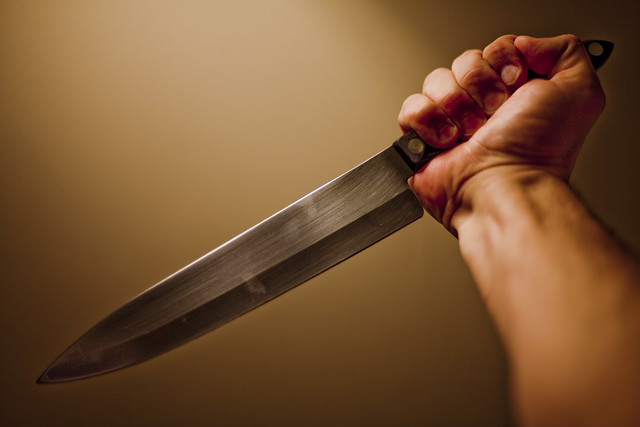
How to Kill Characters With Impact

"You are writing children's books. You need to be a ruthless killer." —J.K. Rowling (via this fabulous interview on BBC
Photo credit: bionicteaching on Flickr
A somewhat morbid topic, today.

Depending on the genre, it's not uncommon for writers to begin a novel knowing that not all characters will survive to see the final pages. Writing an effective character death, however, is more than just describing how they meet their unfortunate end—you have to make the readers care. But how?

Let's take a look at some examples:

SPOILER WARNING: If you haven't read any of the below books (or seen their movies, for that matter), please skip over their examples, unless you'd like to see some major plot spoilers.

  • The Hunger Games (Suzanne Collins): Yes, I know I use this example a lot, but it was particularly fitting for this post. Needless to say, a lot of characters die over the course of The Hunger Games trilogy, and some character deaths left more impact than others. The first few unnamed tributes who die around the cornucopia at the very beginning of the hunger games have forgettable deaths—Katniss doesn't even know their names, and as horrible as it sounds, when they die the readers don't particularly care. This is the case for many of the less important tributes that Katniss isn't emotionally connected with.

    But then Rue passes away, and everything changes. Rue's death matters to Katniss, and so it matters to us. She's more than just another tribute—Katniss had taken a protective role over her, so when Rue dies, Katniss is devastated, and it certainly does not go forgotten amongst the readers.

  • The Fellowship of the Ring (J.R.R. Tolkien): Like The Hunger Games, to say that a lot of characters die throughout the course of the Lord of the Rings trilogy is a bit of an understatement. In books like these with a lot of character deaths, it is especially important to make certain deaths matter. Near the end of The Fellowship of the Ring when Gandalf is pulled into the abyss of the cavern (and thus, supposedly dies), he leaves the fellowship deeply impacted by his absence. Gandalf was the wisest and in many ways strongest of the fellowship, so when he is lost, the fellowship loses a great deal of hope with him. His death matters.

  • Harry Potter (J.K. Rowling): There were quite a few powerful character deaths throughout the course of the Harry Potter series, but the one that affected me the most was that of Sirius Black. Sirius was by no means a perfect godfather to Harry, but he represented hope for change and a better life for Harry. For the first time, Harry had the opportunity to live away from the Dursleys, to live with a wizard who understood him, cared for him and actually valued him. Even more so—Sirius was a link to the parents that Harry never knew.

    So when he died, readers were stunned. Harry was entirely ripped apart by Sirius' death, and even J.K. Rowling admitted that she cried after writing it. Why? Because his death left great emotional impact—it mattered. 

I think the pattern here is clear—reader cared about these various character deaths because their deaths left an impact. These weren't arbitrary characters— they were important to the protagonists of their respective novels, and thus important to the readers.

The key to making your readers care about a character death is a) to choose characters who have connected with the readers and b) make those deaths mean something—not just to the plot, but to the surviving characters.

If it matters to the protagonist, chances are it's going to matter to the readers. Allow your character deaths to leave a large impact and your readers will remember it.

What do you think goes into an effective character death? Any tips for writing the end of a character?

Character Development: Exploiting Weaknesses

Photo credit: Karen Roe on Flickr
Earlier this week, I wrote about the dangers of writing invincible characters, and today I’m covering a related topic, which if used correctly can help you to avoid creating the aforementioned problematic characters.

Just as everyone has a weakness (and most of us, many weaknesses), our characters should struggle with faults as well—whether it’s a debilitating fear of butterflies, an injury that never fully healed, or an inability to trust others, the most realistic of characters struggle with various flaws. Once these weaknesses have been established, it’s our job as the writer to exploit them.

Now I’m not saying that because I’m a sadist (although it is helpful for writers to be in touch with their inner sadist), but because there are many advantages to exploiting our characters’ flaws:

  • It gives us opportunity to deepen our characters. With the exception of whiny protagonists, most characters don’t like to reveal their weaknesses—and they certainly don’t enjoy facing them. But forcing your characters to confront their flaws not only make your characters stronger (when they overcome their weaknesses, anyway), but gives your readers a good look at a side of your characters usually hidden away. 

  • It provides extra scenes/plot opportunities. This point doesn’t really need much explaining—those weaknesses don’t exploit themselves, you know. 

  • It cures Superman syndrome. I know that Superman technically has a weakness (kryptonite), but those invincible characters I mentioned earlier fit under this category, and the easy cure is to give them weaknesses and let them be affected by them. Fighting flaws helps to humanize your characters and make them relatable. When your characters start to feel the burn—push harder. They’ll turn out stronger (character wise, at least) and more developed because of it. 

But don’t take my word for it. Here are some quick examples of this very technique used by authors:

  • Insurgent (Veronica Roth)—an injury Tris receives at the end of Divergent lasts for more than a couple of pages in Insurgent, while a decision she made around the same time she received her injury plagues her with debilitating guilt and panic attacks throughout the course of the sequel. 

  • The Return of the King (J.R.R. Tolkien)—Pippin’s curiosity gets the best of him and he steals the seeing stone from Gandalf, nearly dies when he sees the eye of Sauron, and leads Sauron to believe that he (not Frodo) has the ring. While this does help Frodo, it also puts Pippin’s life in danger. 

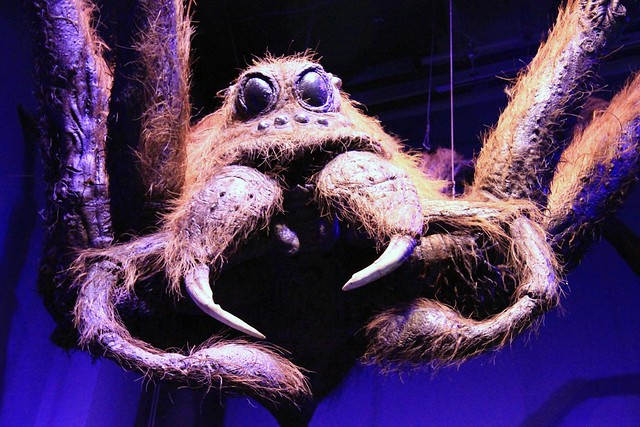
  • Harry Potter and the Chamber of Secrets (J.K. Rowling)—Let’s not forget the classic with a certain arachnophobic Ron facing the acromantula Aragog and his…err…children in the Dark Forest. 

In the end, delving into our characters’ flaws provides us with ample opportunity to challenge our characters and further the plot—opportunities that we would miss without a healthy dose of writer sadism.

Do you exploit your characters’ weaknesses? What other examples of this technique can you think of?

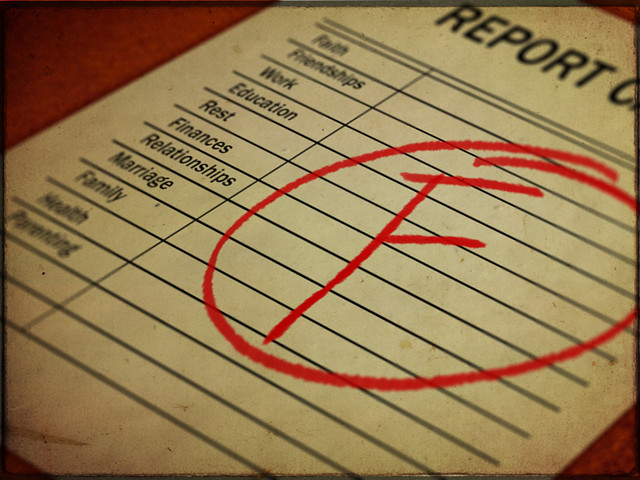
Do Your Characters Fail Enough?

Photo credit: amboo who? on Flickr
I've written before about the importance of being a sadist if you're a writer and on allowing your characters to earn their victories, but it occurred to me that I missed an equally important and somewhat related point, namely, allowing your characters to fail.

Let's face it — very rarely do we as readers or writers want our characters to lose, particularly when that character is the protagonist or otherwise well liked. But allowing our characters to fail time and time again is an essential part of both plot progression and character development that writers should be careful not to overlook.

What makes character failures so important, you ask? Let's take a look at the various advantages of allowing your character to lose:

Character failures...

  • Raise the stakes. One of the easiest ways to quickly (and dramatically) raise the stakes in your story is to allow your characters to fail. For example, not only do Faramir and his men lose the battle at Osgiliath, forcing them to retreat to Minas Tirith, but when they attempt to retake the fortress he is severely wounded and most of his men are slaughtered, leaving Minas Tirith with less soldiers, a crazy, cowardly leader and another impending battle that they are sure to lose (The Return of the King by J.R.R. Tolkien). 

  • Test your character. Failures reveal another side of our characters — it tests their strength (physical, emotional and mental), their determination and the nature of their character. Will your protagonist crumble under pressure? How does he handle failure — does it make him angry? Hopeless? More determined to succeed? Who will buckle under the pressure first? These are questions that can only be answered when your characters face failures. 

  • Emphasize the victory. The biggest and best victories are the ones that the characters have earned by persevering through the toughest odds. Victories handed to your characters on a silver platter are worthless — as they say, nothing worth having comes easily, and your character victories should be no different. 

These are just a few advantages of allowing your characters to lose, but now I'd like to hear from you — do you allow your characters to fail often? What other advantages do characters failures have?

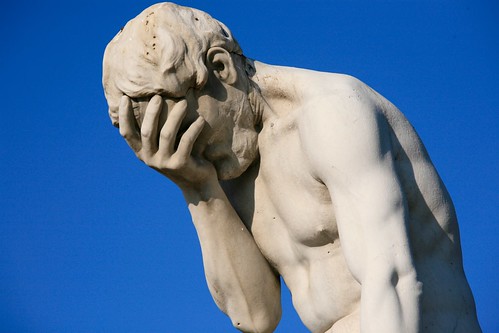
Do Your Characters Make Enough Mistakes?

Photo credit: Alex E. Proimos on Flickr
After re-watching The Lord of the Rings: Return of the King for the umpteenth time, it occurred to me just how crucial character mistakes are to the plot—and not just in The Lord of the Rings, but in nearly every bestseller that I can think of. And I’m not talking about minor character mistakes, either—I’m talking plot-changing horrendous errors that cause death and maiming. These characters make mistakes that they can never take back—mistakes that leave them scarred in more ways than one.

Let’s take a look at a few examples (some of these are a little spoilery, so proceed with caution):

  • The Lord of the Rings: Return of the King (J.R.R. Tolkien)Paranoid about people trying to take the ring from him, Frodo sends Sam away, follows Gollum into a rather eerie tunnel alone and nearly gets eaten by Shelob, the giant spider. And he sort of decides at the last possible second that he’s not going to destroy the ring after all, so Gollum has to bite his finger off to get it away from him.

  • The Harry Potter series (J.K. Rowling)Over the course of seven novels Harry makes some judgments about Snape and accuses him of more than a couple horrendous crimes, and we all know how that turned out. Oh, and there’s also that nasty habit he has of running into situations unprepared that often leads to people dying.  

  • Divergent (Veronica Roth)Tris refuses to forgive a certain depressed teenager and says some horrible (if not deserved) things to him and shortly thereafter he commits suicide.

These are just a few examples, but the list goes on.

There’s something to be learned from these characters’ less-than-stellar decision-making skills, namely, that characters make mistakes just like their real-life counterparts—except their mistakes often have more dire consequences.

But character errors are more than just a chance to make our readers want to slam their heads into walls: they provide opportunity for character growth, great tension-filled plot points and a chance for our readers to relate to them. We all make mistakes, and reading about a character who never makes mistakes not only misses a whole slew of plot possibilities, but also makes the character significantly more difficult to relate to.

In short, I encourage you to make sure your characters make plenty of errors along their journeys. Don’t be afraid to let them royally mess up or make the consequences of their actions dire.

Because just like reality, mistakes are essential for our growth, and unlike reality, they make the plot significantly more interesting.

What do you think? Are character mistakes important? Do your characters make enough mistakes?
Related Posts Plugin for WordPress, Blogger...