So! I thought I’d create what was supposed to be a mini index of the major genres. Except the post was getting way too long, so I split it into two. Enjoy part one!
Fantasy
 |
| Photo credit: .Natty.Dread. on Flickr |
Magic, dragons, elves, wizards, witches, portals, fairies, mages—anything goes in a fantasy novel. These books are built off fantastical worlds where the impossible is impossible and where the mythical is reality.
Examples: A Game of Thrones by George R.R. Martin, The Lord of the Rings by J.R.R. Tolkien, Harry Potter by J.K. Rowling, Half Bad by Sally Green, The Witch Hunter by Virginia Boecker, The Queen of Tearling by Erika Johansen, Red Queen by Victoria Aveyard, Throne of Glass by Sarah J. Maas, Shadow and Bone by Leigh Bardugo, The Girl of Fire and Thorns by Rae Carson, Graceling by Kristin Cashore.
Paranormal
 |
| Photo credit: gaelx on Flickr |
Technically this is a subgenera of fantasy, but it’s so big I thought it merited it’s own category. Paranormal books are a step closer to reality than epic fantasies, but they include supernatural creatures like angels, vampires, fairies, ghosts, werewolves, shapeshifters, etc. Think the TV show Supernatural.
Examples: Twilight by Stephanie Meyer, Ink by Amanda Sun, The Unbecoming of Mara Dyer by Michelle Hodkin, Shiver and The Raven Boys by Maggie Stiefvater, The Coldest Girl in Coldtown by Holly Black, The Diviners by Libba Bray, Paranormalcy by Kiersten White, Hush, Hush by Becca Fitzpatrick, The Immortal Rules by Julie Kagawa. (Others)
For more info on writing paranormal, check out this post.
Science Fiction (Sci-Fi)
 |
| Photo credit: Scott Smith (SRisonS) on Flickr |
Science Fiction is similar to fantasy in that the worlds and situations aren’t real (at the time they are written, at least), but the so-called “fantastical” elements are based in science, rather than magic. The idea here is the made-up stuff could be real, scientifically-speaking. It’s just not real right now.
Examples: Across the Universe by Beth Revis, Salvage by Alexandra Duncan, The 5th Wave by Rick Yancey, The Martian by Andy Weir, The Cage by Megan Shepherd, The Edge of Forever by Melissa E. Hurst, Cinder by Marissa Meyer, These Broken Stars by Amie Kaufman and Meagan Spooner, Alienated by Melissa Landers. (Others)
For more info on writing sci-fi, check out this post.
Dystopia
 |
| Photo credit: playingdead on Flickr |
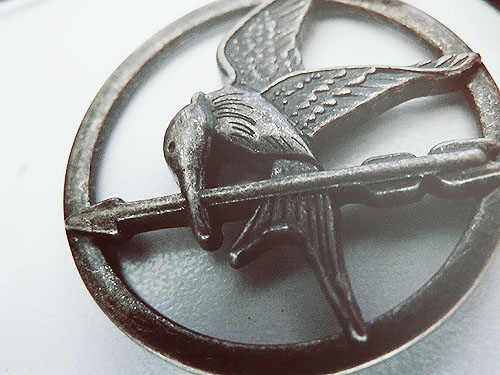
Dystopian novels are a subgenre of Sci-Fi, but as they’ve gotten pretty huge on their own, it felt important to list them separately. Dystopian novels frequently feature futuristic oppressive governments that are often overthrown at the end of the book. Expect speculative societies with extremely strict rules and characters who unwittingly find themselves at the center of a revolution (though that isn’t always the case).
Examples: Brave New World by Aldous Huxley, Divergent by Veronica Roth, The Hunger Games by Suzanne Collins, The Murder Complex by Lindsay Cummings, Under the Never Sky by Veronica Rossi, The Choosing by Rachelle Dekker, Red Rising by Pierce Brown, Ready Player One by Ernest Cline, The 100 by Kass Morgan, The Selection by Kiera Cass, Shatter Me by Tahereh Mafi, Legend by Marie Lu, Matched by Ally Condie. (Others)
For more info on writing dystopias, check out this post.
Examples: Brave New World by Aldous Huxley, Divergent by Veronica Roth, The Hunger Games by Suzanne Collins, The Murder Complex by Lindsay Cummings, Under the Never Sky by Veronica Rossi, The Choosing by Rachelle Dekker, Red Rising by Pierce Brown, Ready Player One by Ernest Cline, The 100 by Kass Morgan, The Selection by Kiera Cass, Shatter Me by Tahereh Mafi, Legend by Marie Lu, Matched by Ally Condie. (Others)
For more info on writing dystopias, check out this post.

These books are written to scare. Or at least creep you out a little. Monsters, murderers, paranormal situations out to get you—these characters usually go through horrifying situations that end in a lot of people dying in terrible ways.
Examples: Rot and Ruin by Jonathan Maberry, Follow You Home by Mark Edwards, Ten by Gretchen McNeil, Sweet by Emmy Laybourne, House by Ted Dekker and Frank Peretti, The Enemy by Charlie Higson, Anna Dressed in Blood by Kendare Blake, Feed by Mira Grant, World War Z by Max Brooks, anything written by Stephen King, The Silence of the Lambs by Thomas Harris. (Others)
Examples: Rot and Ruin by Jonathan Maberry, Follow You Home by Mark Edwards, Ten by Gretchen McNeil, Sweet by Emmy Laybourne, House by Ted Dekker and Frank Peretti, The Enemy by Charlie Higson, Anna Dressed in Blood by Kendare Blake, Feed by Mira Grant, World War Z by Max Brooks, anything written by Stephen King, The Silence of the Lambs by Thomas Harris. (Others)
Thriller
 |
| Photo credit: @lattefarsan on Flickr |
Thrillers are similar to horror, but here, it tends to be about a killer going after people (rather than something supernatural). Sometimes the two blend a little, but these are exciting, fast-paced novels where the threat of death is a constant.
Examples: Hushed by Kelley York, Gone Girl by Gillian Flynn, Black Iris by Leah Raeder, Luckiest Girl Alive by Jessica Knoll, Thr3e and Adam by Ted Dekker, The Girl on the Train by Paula Hawkins, The Devil You Know by Trish Doller, Delicate Monsters by Stephanie Keuhn, The Rules by Nancy Holder and Debbie Viguié. (Others)
These books are funny. The point is to tell a story that makes you laugh quite a bit. These are often written by celebrities, and when they’re not they tend to also cross into other genres. So yes.
Examples: Me Talk Pretty One Day by David Sedaris, Yes Please by Amy Poehler, Is Everyone Hanging Out Without Me? (And Other Concerns) by Mindy Kaling, Beauty Queens by Libba Bray, Me and Earl and the Dying Girl by Jesse Andrews, Denton’s Little Deathdate by Lance Rubin, Hyperbole and a Half: Unfortunate Situations, Flawed Coping Mechanisms, Mayhem, and Other Things That Happened by Allie Brosh. (Others)
So that’s just the first part! I’ll finish part two for you guys shortly. :)
UPDATE (7/24/15): Part two is live!
Twitter-sized bite:
Examples: Me Talk Pretty One Day by David Sedaris, Yes Please by Amy Poehler, Is Everyone Hanging Out Without Me? (And Other Concerns) by Mindy Kaling, Beauty Queens by Libba Bray, Me and Earl and the Dying Girl by Jesse Andrews, Denton’s Little Deathdate by Lance Rubin, Hyperbole and a Half: Unfortunate Situations, Flawed Coping Mechanisms, Mayhem, and Other Things That Happened by Allie Brosh. (Others)
So that’s just the first part! I’ll finish part two for you guys shortly. :)
UPDATE (7/24/15): Part two is live!
Twitter-sized bite:
Do you find genres confusing? @Ava_Jae breaks down some of the most common genres in today's post. (Click to tweet)