Vlog: On Authoring and Social Anxiety

Today I'm answering a question from a lovely reader/viewer: should you pursue publication if you're really shy or have social anxiety?


RELATED LINKS: 


Does social anxiety, introversion or shyness make you nervous about a publication career? How do you think you'll handle it?

Twitter-sized bites: 
.@Ava_Jae says if your dream is to be an author then don't let social anxiety stop you. What do you think? #vlog (Click to tweet)  
Nervous about the social interaction part of a publishing career? @Ava_Jae vlogs about authoring while dealing w/ social anxiety. (Click to tweet)

Having to Prioritize

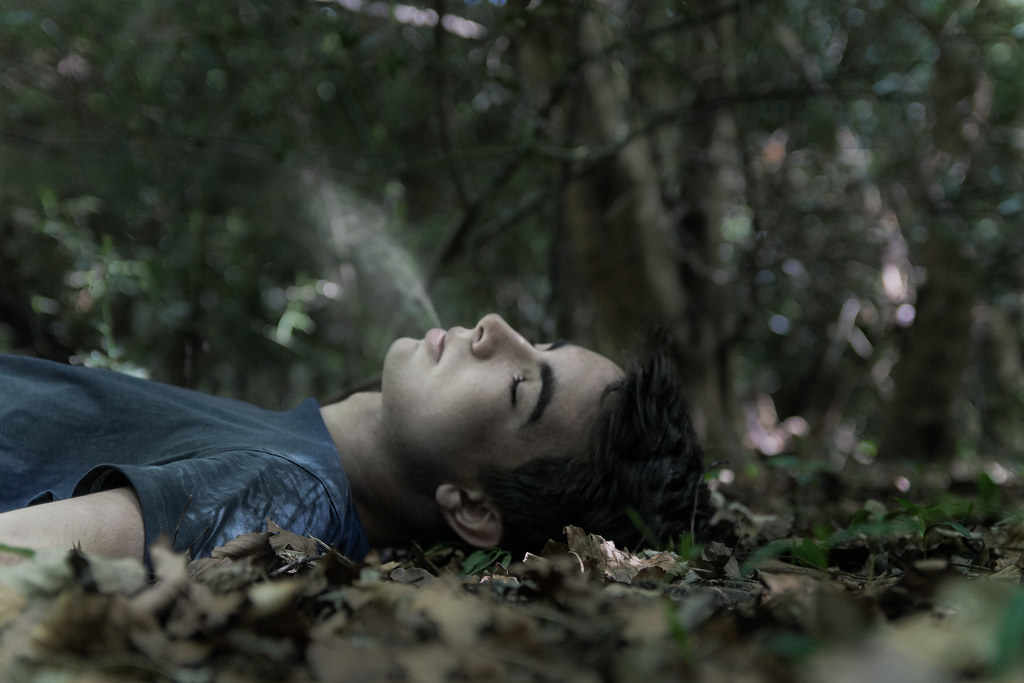
Photo credit: Wiertz Sébastien on Flickr
So, as expected, I guess, I’ve been really busy lately. Between school, revisions, more revisions, social media and life stuff, I’ve spent pretty much every day including the weekends from 5:30ish AM to at least 5PM doing something productive. And even then, at the end of the day, I still have plenty I didn’t get to.

So naturally, I’ve had to prioritize. And the first ball I tend to drop when I get this kind of crazy-busy is answering comments and e-mails.

I want to say that I still do read every comment—whether blog, vlog or otherwise—and e-mail that I get, but lately the only time I’ve had to squeeze in answering them tends to come on the weekends. Or the super early mornings. Which means I am so very behind and my inbox is pretty much bursting with comments and lovely e-mails and I don’t want you guys to stop! I love that stuff, but I do want to say that I know I’ve been slow answering and, well, I’m probably going to continue to be slow answering until things calm down a bit.

Because right now, the only way for me to get everything I need to done means prioritizing. And school, writing and my mental and emotional health has to come before answering non-urgent e-mails and blog/vlog comments. And I mean, I figure you guys would rather I met my editor and agent deadlines whilst not falling behind in school than answer blog comments speedy-quick anyway.

So I guess what I’m saying is please continue commenting even though it takes me a bit to answer—I do read them as they come in and you guys are so, so awesome. Thank you for continuing to contribute to the conversation here on Writability, and over on bookishpixie, and everywhere else. And please continue to feel free to use my contact page to e-mail me, because I do read them right away and though I can’t answer them quickly, they are appreciated.

Just know that silence on my part or being one/two/three weeks late answering that comment/e-mail/etc. isn’t because I don’t care or because I’m ignoring what you’re sending me. But sometimes things get pushed down on the priority list and in order for me to hopefully get books out to you guys, and hopefully graduate, and hopefully not completely crash mid-semester, my once-speedy response time is now not-so-speedy.

Thank you, to all of you, for making the community here and elsewhere so awesome. You guys have blown me away with your support and continuously insightful comments and I look forward to so much more.

Onward and upward. :)

Don’t have a question for you guys today, just virtual hugs and lots of gratitude. You all rock. <3


Ten Keys to Fast Drafting

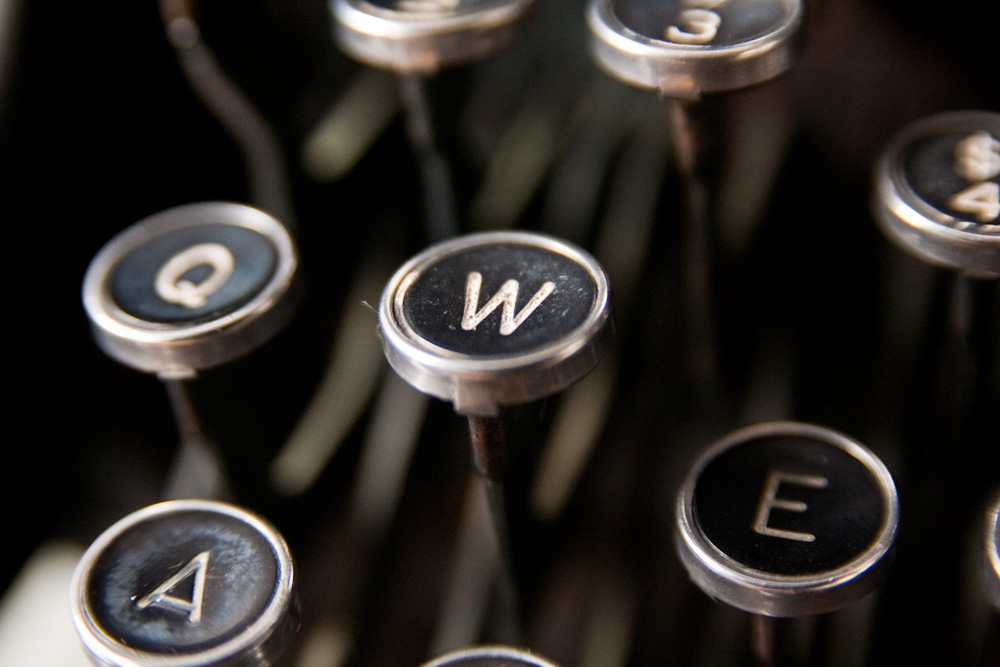
Photo credit: stevendepolo on Flickr
So we have approximately 22 days until NaNoWriMo! Which means, of course, that a lot of people are thinking about fast drafting because fast drafting is how you NaNo. So.

As I’ve mentioned here before, I’m a permanent fast-drafter. Regardless of the month or day of the year, when I work on a first draft, I blast through it as quickly as possible. It usually takes me roughly three to six weeks (then again, I tend to write lean first drafts), but I’ve been known to finish more quickly or slowly. Depends on the manuscript, but either way I have quite a bit of experience with first drafting. And so I’m sharing my personal fast-drafting rules.

Like any writing “rule” these of course are subject to change and can certainly be broken, skipped or ignored outright if they don’t work for you. The only real wrong way to fast draft is to, um, not fast draft.

So all of that said, here we go:

  1. Have a plan. While this doesn’t work for everyone, many fast-drafters swear by outlining if only because it cuts out the time spent wondering where the manuscript is going or accidentally writing yourself into a corner. Personally, knowing where I’m going next has helped me tremendously in terms of writing quickly because when I always know where the story is going it helps me to keep forward momentum. That being said…

  2. Be flexible. Sometimes my characters will completely ignore what I had planned for a scene and do something totally different. 10/10 times what I come up with while I’m writing is better than what I originally planned. Some of my biggest twists and greatest moments of characterization have come out of these spontaneous, unexpected detours, so in short, if you find your characters start taking you off the beaten path, don’t fight them. Your subconscious—and your characters—know what they’re doing.

  3. Write in spurts. My #1 not-so-secret secret to writing thousands of words in a day? It’s writing in thirty minute spurts. Again, this doesn’t necessarily work for everyone, but when I set a timer for thirty minutes and watch my word count go with either Write or Die, my Scrivener doc or—something I haven’t tried yet but can’t wait to experiment with soon: mywriteclub’s online word sprints—it really pushes me to get the words down quickly without thinking too hard about the quality of said words. Which is key because…

  4. Don’t worry if it sucks. Writing quickly doesn’t automatically equate to sucky writing, but it might. And seriously, that’s beyond okay. First drafts are allowed to suck. I usually think my first drafts are junk while I’m writing, and sometimes when I re-read parts I agree, but many times I realize it’s not quite as bad as I thought. So just get the words down and don’t worry about whether or not it’s any good until later. 

  5. Don’t look back. Part of not worrying about whether or not what you wrote is any good is making a pact not to go back and edit anything until after you’ve finished writing. I generally find it’s best not to re-read more than a couple paragraphs (to remember where I left off), and even then I often just do a brief skim, if that, before I dive in again. The temptation to edit, otherwise, is too strong. 

  6. Don’t censor. Even when I know it’s not true, I like to write my first drafts pretending that I am the only person who will ever read it ever. This means I don’t censor anything—language, sentences I think are stupid, dialogue that is definitely dumb, questionably acceptable content, etc. First drafts should be free and loose and fun—you can always cut whatever you think is necessary later on. 

  7. Leave blanks (if needed). That time that I finished NaNoWriMo stupidly quickly I used this method. I’ll be using it again, because sometimes the last thing you want is to stop in the heat of a scene to figure out what that rando’s name is going to be and totally mess up your momentum. 

  8. Have a daily/weekly goal. Keeping on task is pretty important when you’re fast drafting, and especially when you’re NaNoing. I like to build a buffer into my daily goal which then gives me room to take a break when I need to, or else I just write more than I need to early on when I tend to have the most enthusiasm and momentum. But at any rate, when you figure out good daily or weekly goal for yourself, do whatever you can to keep yourself on track. 

  9. Interact with other writers. Last time I did NaNoWriMo, interacting with other writers is a big part of the reason I blew my goal out of the water and finished really early. Events like NaNoWriMo are fantastic because there are so many excited, enthusiastic writers who are all embarking on the same goal, which means there are plenty of people to word sprint with and cheer each other on. And that alone, honestly, can be incredibly awesome for motivation.

    But even if you’re fast-drafting when it’s not NaNo season, talking to other writers online and finding people who are also writing can be really encouraging. 

  10. Celebrate milestones. What milestones you celebrate are up to you, but make sure you celebrate! 10,000 words is my first big milestone because that’s when I call a writing experiment an official WIP (anything I abandon before that I don’t consider an actual WIP). But with NaNo, every 10,000 words, or the 25,000 milestone, or whatever you decide is a milestone worth celebrating is one you should be proud of. Because celebrating the little steps along the way can give you the boost of happy energy you need to get to the next one. 

Have you ever fast-drafted? Will you be NaNoing this year? What tips do you have?

Twitter-sized bites:
Considering fast-drafting? @Ava_Jae shares ten tips for getting through a first draft quickly. (Click to tweet)  
Gearing up for NaNoWriMo? @Ava_Jae shares ten keys to fast drafting. (Click to tweet

On Maintaining Suspension of Disbelief

Photo credit: Elias Ruiz Monserrat on Flickr
I’ve been thinking about the books, TV shows and movies I love to consume. Supernatural, The Vampire Diaries, Game of Thrones, Harry Potter, The Hunger Games, The Grisha trilogy, The Half Bad trilogy, The Avengers, X-Men and so much more. And I’ve been thinking about how so many of them require massive suspension of disbelief, and how easy it would be to break that balance.

I mean, just in that list above we have demons, vampires, ghosts, dragons, magic, superpowers, aliens, and more. And yet, when I’m watching or reading, I rarely, if ever, question any of it.

Suspension of disbelief, is, in many cases, a contract established both by genre and the universe set up at the beginning of the story. When I turn on Supernatural I know to expect, well, the supernatural. When I start Half Lost next year, I know to expect magic and witches and really dark conflicts. When I pick up a fantasy, or dystopia, or sci-fi, or paranormal book, I have expectations for each set up before I even read the back cover copy.

But those expectations are really broad, and exactly what I should expect—and accept—depends very much on the world set up at the beginning of the story.

In the very first episode of Supernatural, we’re introduced to demons, unspecified magic, murder mysteries, ghosts, Hunters (who kill said demons and ghosts) and object possession. From the beginning we learn that Hunters track down all manner of supernatural creatures, and to the Winchesters, supernatural activities are an everyday “normal” occurrence. This then sets up for the rest of the seasons that continues to build on everything from obscure legends to biblical stories to mythologies from around the world. But because it’s set up from the beginning that these out there imaginings are, in fact, real and normal for the Winchesters to hunt down, viewers accept it without question.

In the very first chapter of Harry Potter and the Sorcerer’s Stone, we’re introduced to the terms “Muggles,” “You-Know-Who,” and “Voldemort,” curiously behaving owls and cats, mysterious people in cloaks, a magic lighter that can take light from street lamps called a Put-Outer, a cat that transforms into a professor, a flying motorcycle and the lightning bolt scar. This sets the stage for magic umbrellas, wands, fantastical creatures and a school of magic—all of which builds to darker and more incredible events that again, readers have no reason to question.

So how do you set up your world in a way that readers won’t question?

  1. Follow genre conventions. As I said, readers kind of begin developing their expectations of the book depending on where it is placed in a bookstore. Granted, these expectations are pretty broad and have loads of room for variation and intricacies, but this is the basic level that you should be working off of. 

  2. Set up your foundational blocks at the beginning to gradually build off of throughout. This does not mean you have to set up everything in the first chapter—in fact, if you do, you’ll likely end up with an info dump which is not something you want. But what you do want to do is begin setting up the rules of the world of your book, whether that’s everyday supernatural occurrences or cats that turn into professors. 

  3. Don’t break your own rules. Once you’ve established your rules, you need to stick with them. Breaking your own rules is the #1 perpetrator of shattering that suspension of disbelief. Fantasy worlds make sense because they operate within a certain sect of rules; only wizards (not muggles) can perform magic; devil’s traps and salt circles can be used to trap a demon and keep a ghost out, respectively. If Uncle Vernon up and created a patronus or a low-level demon waltzed out of a devil’s trap without explanation, readers and viewers would not be happy about it. 

Has a book, movie, or TV show ever broken your suspension of disbelief? Why?

Twitter-sized bite:
How do you create and maintain a reader's suspension of disbelief? @Ava_Jae shares three straightforward steps. (Click to tweet)

Vlog: The Book Rules Tag

I've been tagged in The Book Rules Tag by Rebecca Kelsey Sampson! Which was perfect timing because I was sick last week while filming, so it made for a fun and non-taxing vlog. Yay!

Hope you guys enjoy. If you'd like to participate, please do so and link in the comments! :)

P.S.: I'm feeling better. Woot!


RELATED LINKS: 


How would you answer some of the questions in the tag? 

Twitter-sized bite: 
.@Ava_Jae vlogs about her reading habits, book organization techniques and more in The Book Rules tag. (Click to tweet)

Discussion: What Weird Research Have You Done for Your WIPs?

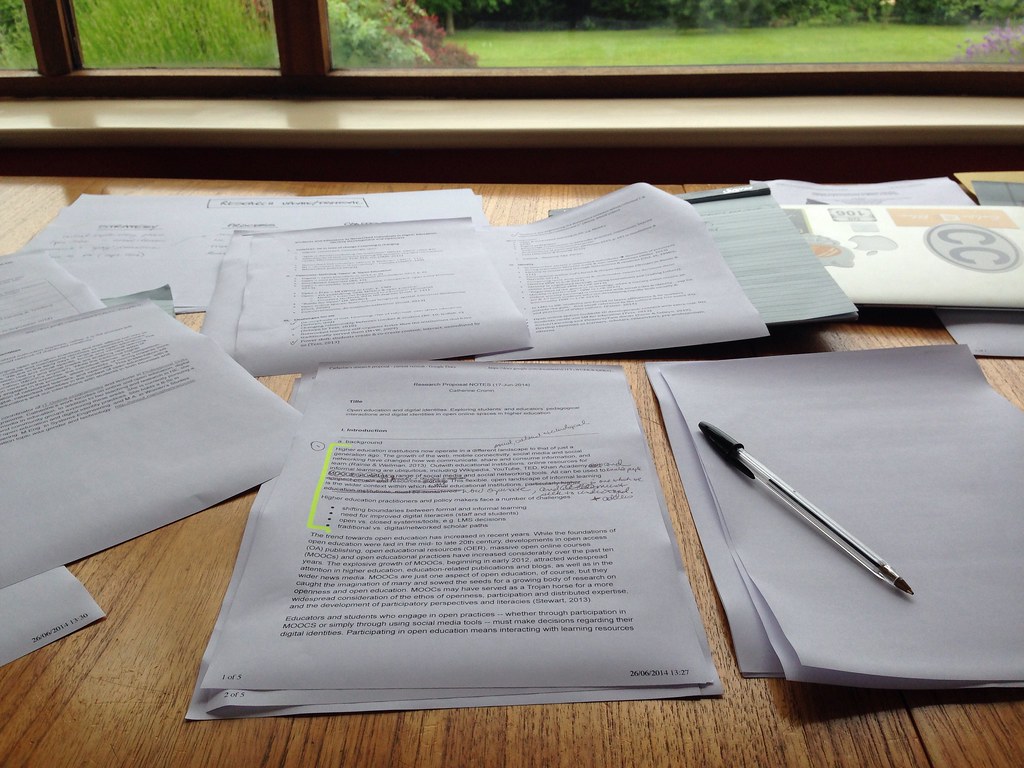
Photo credit: catherinecronin on Flickr
So some fellow Sweet Sixteeners (2016 debuts part of one of the debut groups I’m a member of) are blogging about weird research they’ve done for their books, and that sounded like a fun topic I haven’t really covered here, so! Weird research.

For Beyond the Red, specifically, I did have a lot of scattered research to do here and there while I was writing, and while some of it is spoilery and thus I can’t really blog about it, much of it is not. Including:

  • Temperatures, wildlife, and flora of deserts around the world.
  • Variations of different languages, both written and spoken, fantasy and real. 
  • Variations of beliefs and rituals of major religions around the world. 
  • Different kinds of (primarily sparring) weapons. 
  • How certain nomadic people survive in the deserts. 
  • How to calculate population growth over the course of several generations. 
  • Tattoo styles.
  • Different styles of dance, especially…
  • FIRE DANCING

And finally, most recently, I found my Linguistics class—particularly the bit about how language evolves—quite useful when revising the book last week.

Granted, most of those aren’t weird except maybe fire dancing, which is more epic than weird, but nevertheless those are some of the things I researched while writing Red. What research have you done for your books?

Twitter-sized bite:
What fun or strange research have you done for your WIPs? Join the discussion on @Ava_Jae's blog. (Click to tweet)

Another NaNoWriMo Round-Up!

Photo credit: horrigans on Flickr
It’s October, and I, for one, could not be happier. September was a jerk to me, but October is looking much more promising. And! It’s now officially time for NaNoPrepMo and time for me to tell you guys all about the awesomeness that is NaNoWriMo and encourage you to participate if you’re on the fence about it.

As I said in last year’s NaNoWriMo Round-Up (of which this is a tweaked re-post), I’ve talked about NaNoWriMo a lot. But! Not all of you have been around for previous NaNoWriMo talks and even those of you who have haven’t seen me talk about NaNoWriMo in a while. So! NaNo round-up. Here we go.

For those who haven’t decided on whether or not they want to NaNo, I have a post for you. And if you don’t click, but you’re on the fence, I’ll say that I’ve participated twice and totally loved it. Granted, I'm a fast-drafter, and NaNoWriMo really works best for those open to fast-drafting (which is not everyone, and that's okay!), but it’s been super super effective for me in the past. 

As I said last year, I’ve written three manuscripts (or a good chunk of it at least) in NaNo-like settings (two November NaNoWriMos and one Camp NaNo), and the community, and excitement, and pretty graphs all are very much tempting me to join in this year, as I’m anticipating being done with revision stuff by then…hopefully. I’ll be spending this month preparing a potential NaNo WIP if it looks like I’ll have the writing space in my brain. Fingers crossed!

Because it’s October and NaNoPrepMo, you will very possibly find this post on Pre-NaNoWriMo Tips helpful! Because prepping for NaNo, I’ve found, makes the whole NaNoing experience much easier.

To contrast two very different NaNo experiences, the first time I NaNoed, I made NaNoWriMo super difficult for myself by abandoning my first NaNo project on day fourteen and scrapping 24,000 words to start something new. (Yes, really.) Then two years ago I went a little type-crazy and finished in nine days. Still not totally sure how that happened, but I’m glad it did because it’s one of the projects I’ll soon be done revising. :D

I’ve also shared ten foolproof secrets to winning NaNoWriMo (which are actually not the least bit foolproof and please don’t do those things, thanks).

Last year I didn’t NaNo, but I did record a six-vlog, week-by-week vlog series (including before and after) specifically for surviving NaNoWriMo. You might find it helpful to watch early.

And finally, here's a compilation of helpful NaNoWriMo links that I shared on the first day of NaNoWriMo two years ago but I’ll give to you early! Because you’re welcome.

If you have any helpful links for future NaNo-ers, share them below! And also, will you be participating in NaNoWriMo this year? 

Twitter-sized bite:
Thinking about doing NaNoWriMo this time around? @Ava_Jae shares helpful links for all of your NaNoing needs. (Click to tweet)
Related Posts Plugin for WordPress, Blogger...